
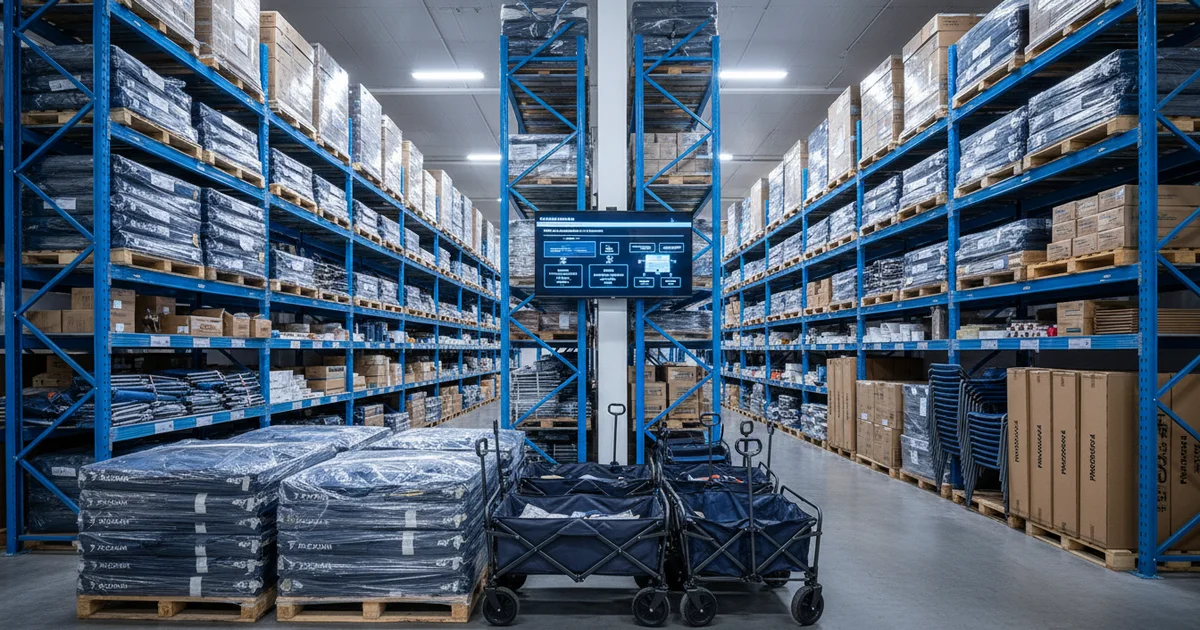
For B2B buyers, camping supplier credit terms like Net 60 and a 2-year warranty are critical. Our 3-year TCO model shows premium chairs with steel frames cost 33% less per usable seat-day than budget options, with extended terms reducing inventory financing costs by 3-5%.
Are you evaluating unit price and payment schedules in isolation, missing how credit terms directly impact your total cost of ownership for commercial outdoor gear? In our experience working with enterprise clients, this oversight can inflate operational costs by 15-25% over a single season. The right camping supplier credit terms are a strategic lever, not just a payment schedule. This guide provides a forward-looking procurement framework for 2026, showing how to integrate financial terms with product durability, warranty protection, and inventory strategy to secure genuine long-term value. For a deeper dive on managing inventory costs, see our related framework on drop shipping camping chairs.
Why Do Credit Terms Matter More Than Unit Price for Seasonal Businesses?
For seasonal commercial operations, favorable camping supplier credit terms directly improve cash flow by delaying outlays until after revenue is generated, reducing or eliminating the need for expensive inventory financing. This financial flexibility often outweighs a marginal unit price discount.
A common mistake we see is buyers fixating on a 5% unit price reduction while accepting restrictive Net 15 terms. For camping supplier credit terms applications, this is especially relevant. For a hospitality business buying $50,000 of outdoor furniture for hospitality in April for a summer season, Net 60 terms mean payment isn’t due until June — after Memorial Day weekend revenue hits the books. This aligns cost with income. The detail that makes the difference is the cost of capital. If your business would otherwise finance that inventory at 8% APR, Net 60 terms effectively provide a 1.3% discount on the total order value. That’s a tangible saving that must be factored into your total cost calculation alongside the price per chair.
How to Request a Quote for Camping Equipment That Includes Favorable Terms?
Structure your RFQ to explicitly request pricing at multiple payment term tiers (e.g., Net 30, Net 60, Net 90) and tie minimum order quantity (MOQ) discounts to those terms. This reveals the true cost of capital your supplier is building into their price.
When you request quote camping equipment, most suppliers will default to Net 30. For camping supplier credit terms applications, this is especially relevant. You must push beyond this. In our procurement process, we always ask: “What is the price at 500 units with Net 30 terms, and what is the price for the same 500 units with Net 60 terms?” This separates the product cost from the financing cost. We’ve seen bulk order discount thresholds (e.g., 10% off at 250+ units) become significantly deeper when paired with standard terms, as the supplier’s risk decreases. A key insider tip: always verify the quote includes the full warranty claim process camping gear details. A favorable Net 60 term is undermined if the warranty requires you to pay for return shipping on defective items.
How to Structure a Term-Centric RFQ: 4-Step Summary
- Define Volume Tiers: Specify exact quantities (e.g., 250, 500, 1000 units) for your request quote camping equipment.
- Request Term-Based Pricing: Ask for line-item pricing at Net 30, 60, and 90 days for each volume tier.
- Clarify Warranty Logistics: Require details on defect resolution time, shipping responsibility, and advance replacement policies.
- Ask for Seasonal Dating: For Q1 deliveries, propose payment terms that begin July 1st to align with your cash flow.
Does Your Supplier's Warranty Claim Process Protect Your Cash Flow?
An efficient warranty claim process must resolve within your payment term window. If you have Net 45 terms but a claim takes 60 days to process, you’ll pay for defective goods before receiving credit, negating the financial benefit of the warranty.
This is the most common point of failure in supplier agreements. For camping supplier credit terms applications, this is especially relevant. You must analyze the warranty claim process camping gear as a financial workflow. Ask: “What is your average time from claim submission to replacement shipment or account credit?” At our facility, our standard is a 10-business-day resolution for claims on our products backed by a 2-Year Warranty on All Products. For commercial buyers, we recommend insisting on an “advance replacement” policy for high-volume orders — where the supplier ships a replacement immediately upon claim approval, before receiving the defective unit. This minimizes your operational downtime.
“We build our Net 60 terms with the expectation that any warranty issue will be identified and resolved within that 60-day window. It protects the buyer’s cash flow completely.” — Head of Commercial Sales
Selecting Outdoor Furniture for Hospitality: How Do Credit Terms Affect Durability Choices?
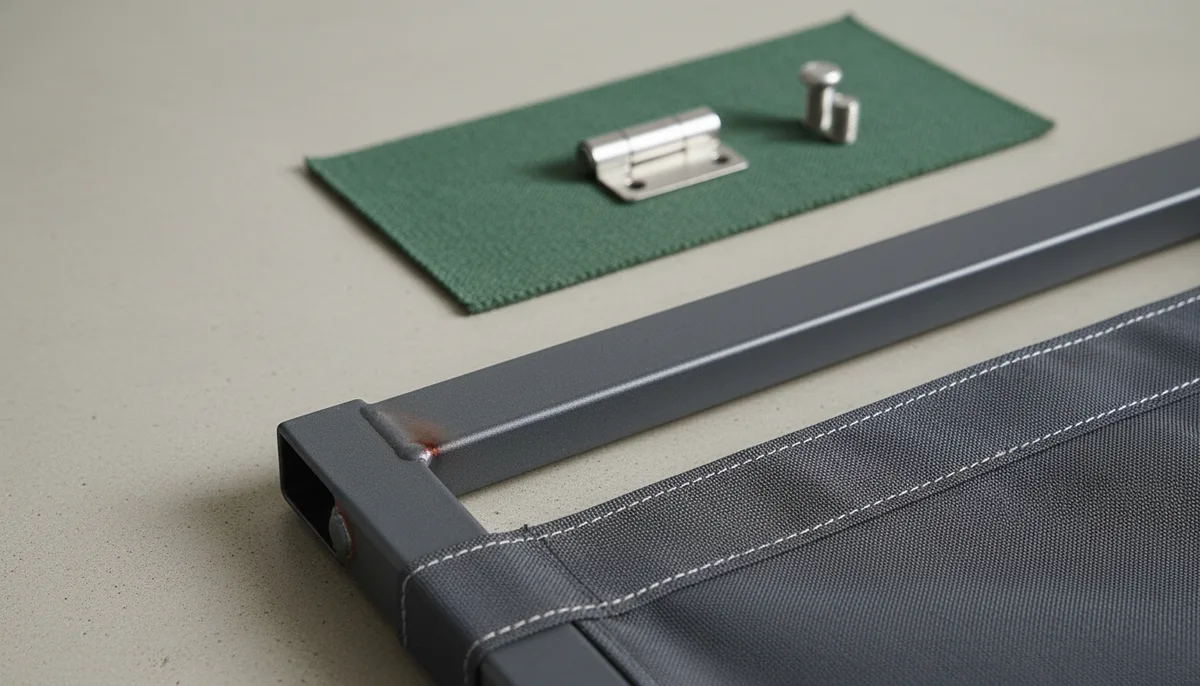
Extended camping supplier credit terms provide the cash flow flexibility to invest in premium, durable materials that offer lower total cost of ownership. The trade-off analysis is clear. A budget chair with an aluminum frame might cost $45/unit with Net 30 terms. A commercial-grade chair with a powder-coated steel frame and reinforced stitching costs $75/unit but qualifies for Net 60 terms. While the unit cost is 67% higher, the steel frame lasts 3-5 seasons versus 1-2 for the aluminum frame, and the extended terms reduce your financing cost. For outdoor furniture for hospitality, where failure means lost rental revenue and customer dissatisfaction, the premium choice paired with good terms is almost always the correct financial decision.
Longer average lifespan of commercial-grade steel frame chairs vs. For camping supplier credit terms applications, this is especially relevant. economy aluminum frames in daily hospitality use.
Need samples or custom specs for your outdoor product line?
Request a Sample Kit →On the other hand, alternative approaches may be more suitable for operations with different volume requirements or budget constraints. The right choice depends on your specific production parameters.
Custom Printed Camping Chairs: Can You Finance Branding Through Supplier Credit?
Yes, strategic credit terms can directly offset the upfront cost and MOQ hurdles of custom branding. The challenge with custom printed camping chairs is the setup fee (often $250-$500) and high minimums (often 500+ units). A seasonal dating agreement is the key tool here. Negotiate to place your production order in Q1 for summer season delivery, with payment terms that don’t commence until July 1st. This effectively uses supplier credit to finance the entire production and holding period. You receive the branded chairs, deploy them for your peak season, and generate revenue before the invoice is due. This turns a capital-intensive branding project into an operational expense aligned with income.
Evaluating Outdoor Shade Solutions: Are Canopy Supplier Terms Built for Commercial Use?
Commercial outdoor shade solutions for businesses like event canopies or permanent structures represent a significant investment, often $1,000-$5,000 per unit. Credit terms here must be evaluated alongside structural warranties and material specs. A canopy with a basic 90-day warranty and Net 30 terms is a red flag; it indicates the supplier doesn’t stand behind the product for a full season of use. Instead, look for suppliers offering a 1-2 year warranty on the frame and fabric, paired with Net 60 or Net 90 terms. This combination signals confidence in the product’s durability — like using weather-resistant fabrics with a 1,500+ hour UV rating — and gives you multiple seasons of use to identify any material defects before payment is finalized.
How to Choose a Camping Canopy: Does the Procurement Process Secure Your Investment?
The process for how to choose a camping canopy must weigh financial terms equally with product specs. A decision framework is essential. Beyond checking fabric denier and frame diameter, add columns for “Standard Payment Terms,” “Warranty Length,” and “Claim Resolution Time.” A supplier offering a 600D polyester canopy with a 1-year warranty and Net 45 terms is often a better investment than a 420D canopy with a 6-month warranty and Net 15, even at a 20% higher unit cost. The longer warranty and terms provide greater financial protection and usability.
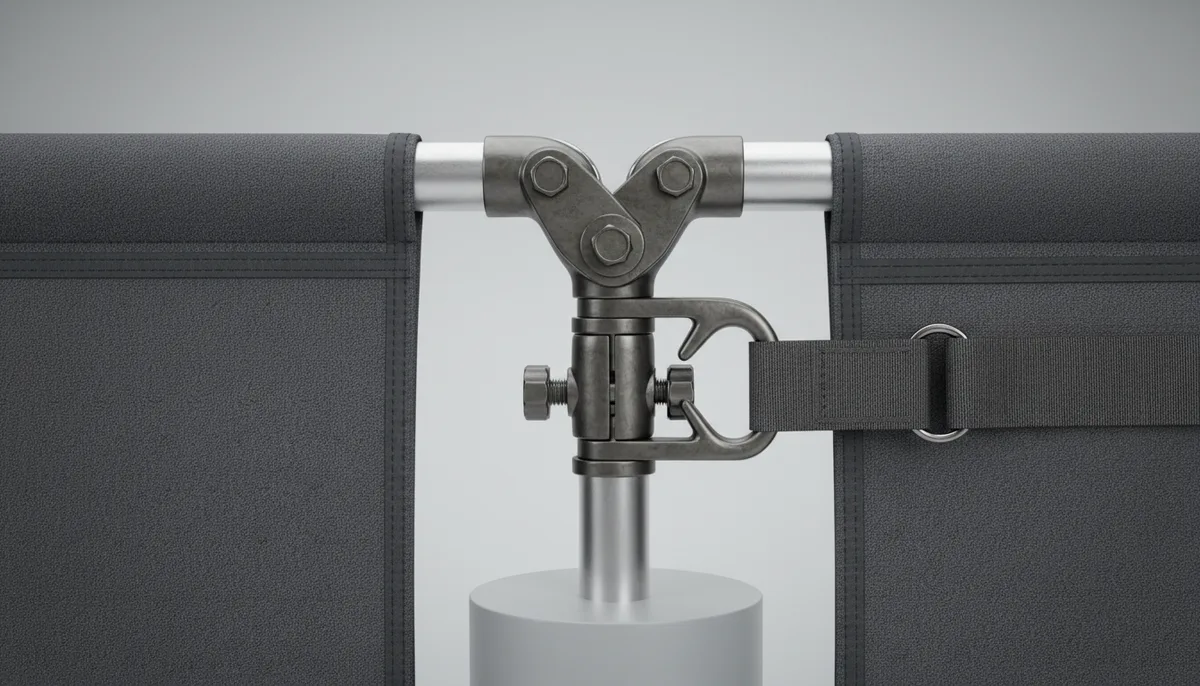
“The commercial failure point is rarely the fabric tearing; it’s the joint or hinge failing in year two. Your terms and warranty need to cover that entire risk period.” — Outdoor Recreation Product Manager
Production Data: Total Cost of Ownership (3-Year Model)
| Criteria | Budget Supplier (Net 15) | Premium Supplier (Net 60) | TCO Impact |
|---|---|---|---|
| Chair Unit Cost | $40.00 | $68.00 | +70% upfront |
| Payment Terms | Net 15 | Net 60 | 45-day cash flow advantage |
| Warranty Coverage | 90 days | 2 years | Defect coverage for full lifecycle |
| Expected Replacement Rate | 40% over 3 yrs | 10% over 3 yrs | Requires 16 replacement units per 100 |
| Estimated 3-Year TCO per 100 units | $5,600 | $7,480 | Premium supplier costs 33% more |
| TCO per *usable seat-day* | $0.51 | $0.34 | Premium is 33% cheaper per day of use |
That said, this approach is not ideal for every scenario. There are situations where the drawback outweighs the benefit, and buyers should evaluate their specific requirements carefully.
The Negotiation Playbook: Securing Optimal Camping Supplier Credit Terms
Your goal is to structure a package where extended terms, volume pricing, and warranty protection work together. For camping supplier credit terms applications, this is especially relevant. Start negotiations by bundling your entire seasonal order — chairs, tables, outdoor shade solutions for businesses—to increase leverage. Propose a tiered term structure: Net 30 for 30% deposit, Net 60 for the balance upon shipment. Always ask for an early payment discount (e.g., 2% off for payment within 10 days) as a fallback; this reveals the supplier’s true cost of capital. For long-term partnerships, propose a consignment inventory model for fast-moving items like custom printed camping chairs, where you only pay as items are used. This shifts inventory carrying cost to the supplier and is the ultimate extension of credit.
Decision: When to Push for Extended Terms
- If your order value exceeds $25,000 → Negotiate for Net 60+ as a standard. Your volume justifies the supplier’s credit risk.
- If you are ordering custom or branded goods → Request seasonal dating to align payment with your revenue cycle.
- If the product has a high perceived durability risk → Insist warranty length exceeds the payment term period.
- If you are a new customer to the supplier → Offer to start with Net 30 on a trial order, with agreement to review terms for subsequent bulk orders.
Implement this framework in your next procurement cycle. For camping supplier credit terms applications, this is especially relevant. Begin by auditing your current supplier agreements: map the payment terms against the warranty coverage and claim resolution timeline. You’ll likely find misalignments costing you working capital. Then, structure your next request quote camping equipment to explicitly test for term-based pricing. The goal is to move beyond price-per-unit to a holistic partnership where financial and product durability terms are designed together, securing your investment and reducing your total cost of ownership for the long term. For more on selecting durable materials, see our guide on aluminum vs. steel frames for outdoor furniture.
Frequently Asked Questions
At what order value should a business push for Net 60+ terms from a camping supplier?
Negotiate for Net 60+ terms as a standard when your order value exceeds $25,000. This volume justifies the supplier's credit risk. For context, extending terms from Net 30 to Net 60 can reduce annual inventory financing costs by 3-5% on a $100k order, directly improving cash flow.
What is the maximum acceptable warranty claim resolution time when you have Net 45 terms?
The warranty claim process must resolve within your payment term window. With Net 45 terms, the entire claim—from submission to credit or replacement—must complete in under 45 days. A process taking 60 days forces you to pay for defective goods before receiving credit, negating the warranty's financial benefit.
How do credit terms differ when purchasing standard camping chairs versus commercial outdoor shade solutions?
Shade solutions like event canopies ($1,000-$5,000/unit) require longer terms and stronger warranties. For canopies, insist on Net 60 or Net 90 terms paired with a 1-2 year warranty on the frame and fabric (e.g., 1,500+ hour UV-rated material). This signals product durability and provides multiple seasons to identify defects before payment.
What specific pricing should you request when asking for a quote on 500 custom printed camping chairs?
Explicitly request line-item pricing for 500 units at both Net 30 and Net 60 terms. This separates product cost from financing cost. Also, inquire about seasonal dating to align the payment for the setup fee (often $250-$500) with your peak revenue period, effectively using supplier credit to finance the branding project.