Select tents for campground, group, rental, and dealer programs.
- ■FormatsDome, cabin, bivy, screen house, instant, and related models
- ■OccupancyModel-specific capacity and usable floor plan
- ■Weather informationReview current model fabric, seams, fly, and source ratings
- ■Pole systemAluminum, fiberglass, or model-specific construction
Compare tents and shelters by occupancy, season and weather use, pole and fabric system, stated waterproof information, setup, packed size, cleaning, repair, branding, quantity, and replacement plan.
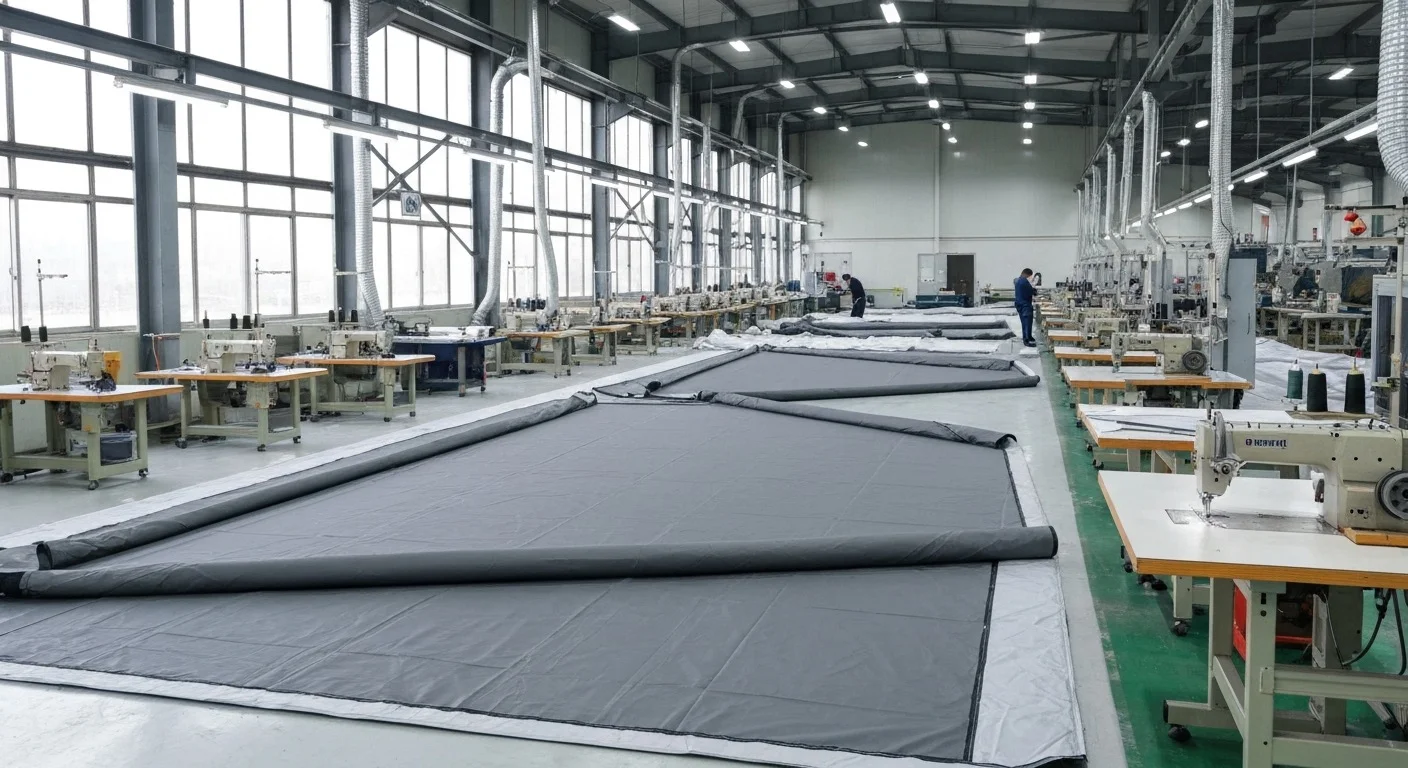
What Sets Our Tents & Shelters Apart
Occupancy and format planning
Compare dome, cabin, instant, bivy, screen-house, and other model families around usable floor area, sleeping plan, access, ventilation, and storage.
Weather and source-spec review
Review fabric, coating, seam construction, fly coverage, pole system, stated waterproof information, and intended season at the model level.
Turnover and maintenance workflow
Evaluate setup, takedown, drying, cleaning, inspection, component replacement, labeling, and storage for campground or group use.
Program and assortment design
Define quantity by occupancy and format, sample tests, spare components, branding, packaging, destination, required date, and reorder ownership.
Technical Specifications
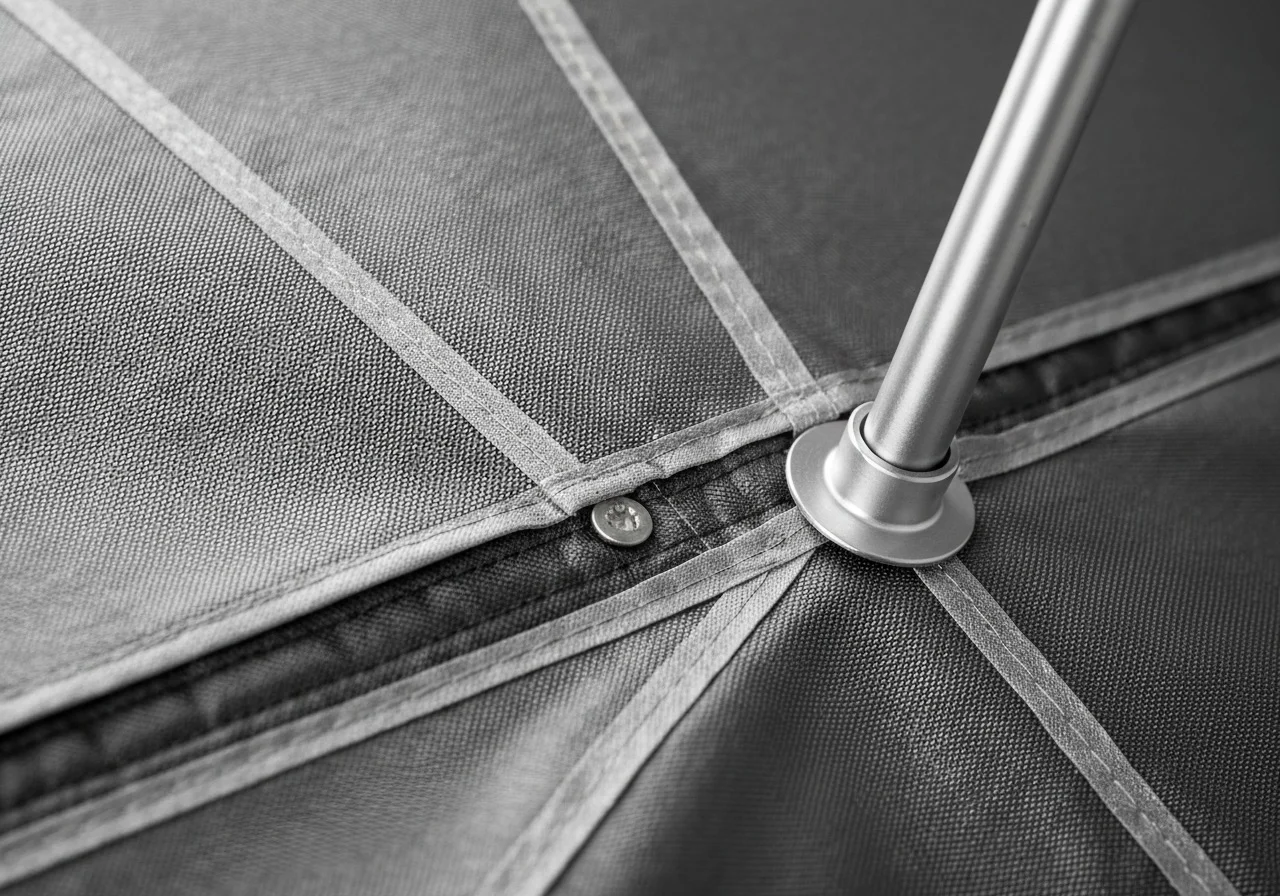
- Polyester fly and body fabrics
- Oxford floor materials
- Aluminum pole options
- Fiberglass pole options
- Mesh panels
- Zippers, lines, stakes, and carry bags
- ■Campground rental programs
- ■Youth camps and group programs
- ■Outdoor hospitality and activity packages
- ■Dealer and distributor tent assortments
- ■Event support and temporary privacy
- ■Preparedness and field-use programs
Explore More Capabilities
Outdoor Accessories
Review sleeping, carrying, cooling, comfort, hydration, and related outdoor accessories by use case, model specifications, size range, packaging, bundle logic, branding, documents, quantity, and delivery plan.
Learn more →Bulk seating model selectionFolding Camping Chairs
Review folding seating by use environment, frame and fabric options, weight capacity, packed size, handling frequency, branding needs, quantity by model, and delivery plan before requesting a comparable bulk quote.
Learn more →Bulk tables by size and workflowPortable Tables
Compare folding and roll-up tables by assembled dimensions, height, tabletop and frame options, stated load, packed size, setup workflow, branding, quantity, and destination.
Learn more →Bulk transport by terrain and loadFolding Utility Wagons
Review wagon models by terrain, stated load, wheel format, steering, bed size, folded dimensions, liner and accessory options, branding, quantity, and storage or vehicle constraints.
Learn more →Industries Using Tents & Shelters
Frequently Asked Questions
Start with occupancy, usable floor plan, expected weather, setup team, turnover frequency, cleaning and drying process, pole and fabric preference, packed size, spare parts, branding, and quantity by model.
Yes. A useful bulk review starts with the intended use, model or specification range, quantity by SKU, delivery destination, required date, and any branding or packaging requirements.
There is no single MOQ that applies to every model and configuration. MOQ must be confirmed for the selected SKU, quantity mix, branding method, packaging, and production or inventory path.
Branding options depend on the product construction, printable area, order quantity, color requirements, and packaging scope. The available method and approval sample should be confirmed for the selected model.
Sample availability, sample cost, branding, and shipping depend on the selected model and current source. The sample plan should specify exactly which features and operating conditions need approval.
Timing depends on model availability, quantity, customization, packaging, required documents, production status, and destination. A written quote should state the current assumptions instead of relying on a universal lead-time claim.
Documents vary by model, material, market, and source. Buyers should identify the required standard or document so availability and scope can be verified before the order is approved.
A mixed-category program can be reviewed when quantities, model choices, packaging, destination, and timing are clear. Whether items can share production or freight must be confirmed in the commercial plan.
Bulk tent pricing directly impacts fulfillment costs because larger orders often qualify for volume discounts on both product and shipping. However, tents are bulky, so dimensional weight surcharges can offset savings. Our production analysis shows that consolidating SKUs and negotiating carrier rates can reduce per-unit costs by 20-40% for bulk orders. Always factor in storage fees, which are 2-3x higher for tents than smaller items.
The breakeven point depends on your order volume and product size. For most camping gear, self-fulfillment becomes cheaper than a 3PL when you handle fewer than 100-200 orders per month. Above that, 3PLs offer economies of scale. Our team recommends a hybrid approach: use FBA for high-volume core SKUs and self-fulfillment for slow movers to balance costs and Buy Box eligibility.
Higher denier means thicker, heavier fabric. A 150D tarp is lightweight and packs small, ideal for backpacking, while a 600D tarp is heavier but more durable. For family camping, 300D offers a balance. Choose based on your customers' activities—backpackers prioritize weight, while car campers may prefer durability.
Bulk pricing typically drops 15-30% at 500 units compared to 100 units. For a mid-range tent, per-unit cost falls from $45 at 100 units to $38 at 500 units, a 16% savings. The breakeven depends on your turnover rate; if you sell through inventory quickly, the savings compound above 500 units.
FBA fulfillment fees scale with unit weight and dimensions, so a heavier steel-frame chair raises every shipping and storage charge. PeakRoam folding chairs use sturdy steel frames and Oxford fabric, favoring durability over minimum weight. Buyers must weigh that trade-off against their fee structure, since a lighter chair cuts per-unit shipping cost but may trade away frame durability.
There is no single breakeven number, because it depends on landed cost: unit price plus freight, duties, and FBA prep. A 500-unit order spreads freight across more units than a 100-unit order, lowering freight per unit only if the shipment fills a container efficiently. Divide total capital at risk by per-unit profit to find the units needed to break even.
It becomes cheaper when the packed dimensions and unit weight land in a lower size tier. A dome tent like the X740 Selkirk, at 5.95 lbs packed, sits in a more favorable tier than a bulky canvas bell tent. Trimming box length below the oversized threshold is the single biggest lever on fulfillment fees.
Specify the coating rating and floor denier explicitly. The X740 Selkirk uses an 800mm polyurethane-coated body and a 1000mm denier polyethylene floor. Those ratings give inspectors and buyers a measurable water-resistance benchmark. A thin 600 denier shell may fail a leak check, so name the exact figure in your PO.
Bring the model requirements, quantities, destination, and date.
We’ll identify the relevant product path, missing evidence, and information required for availability and pricing.