[ EVENT RENTAL COMPANIES & OUTDOOR VENUES ]

Plan bulk event seating, tables, shade, and site transport as one operating system.

For event rental companies, venues, festivals, wedding operators, markets, and outdoor event teams buying repeat-use chairs, tables, canopies, and wagons around guest count, layouts, handling, storage, branding, quantity, and deadlines.

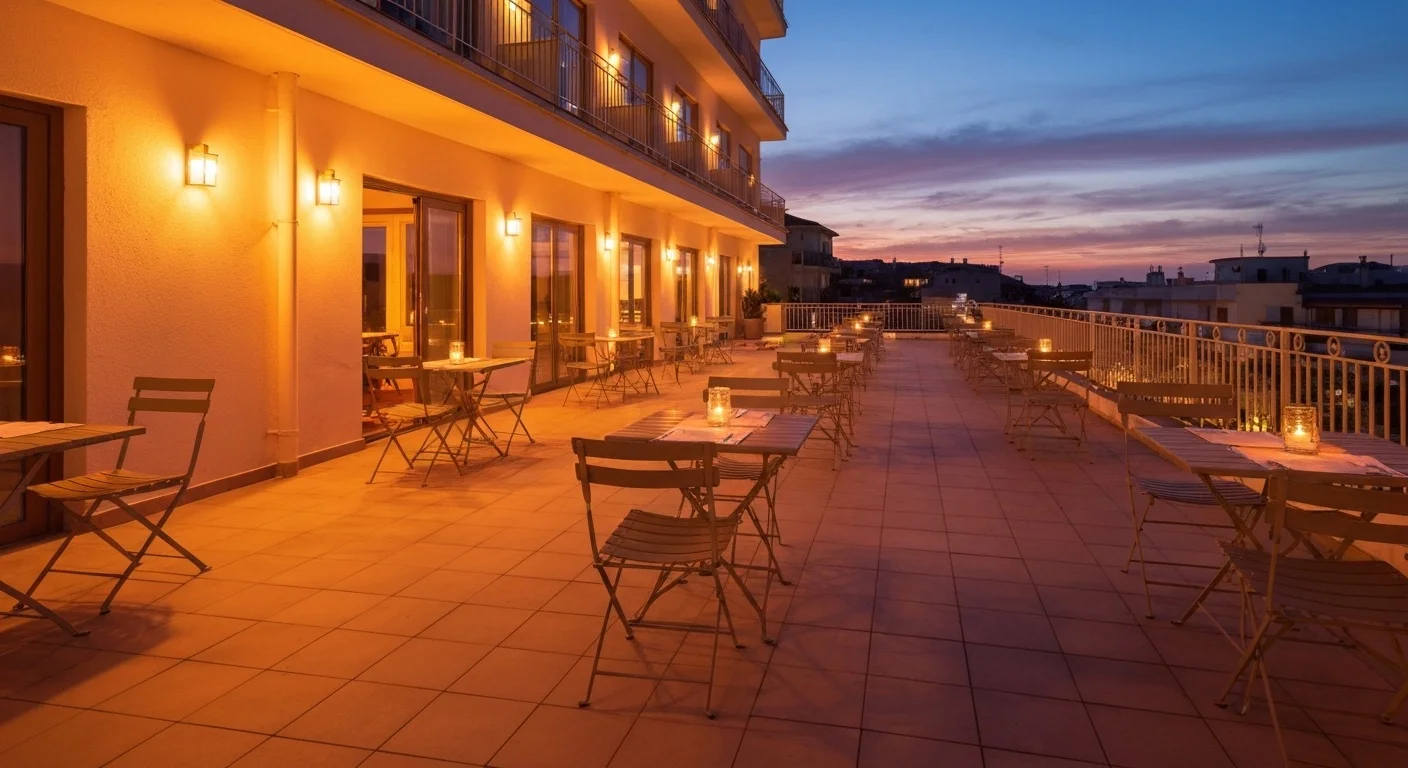
Outdoor event venue with portable seating, tables, and canopy shade
[ CHALLENGES WE SOLVE ]

Common Challenges in Event Rental Companies & Outdoor Venues
We understand the unique production challenges your industry faces. Here's how we address them.

Inventory is selected by item, not layout

Chair, table, canopy, and transport decisions may not reflect guest count, event zones, crew, vehicles, storage, or setup sequence.

Handling cost is hidden

Packed dimensions, carton quantity, lifting, carry bags, setup steps, missing parts, cleaning, and teardown can outweigh small unit-price differences.

Deadlines arrive before specifications stabilize

Branding, model substitutions, sample approval, anchoring, destination, and required date may remain unresolved when the event is already committed.

[ TAILORED SOLUTIONS ]

Solutions Built for Event Rental Companies & Outdoor Venues

01

Guest-count and zone planning

Translate event type, guest count, seating plan, tables, service zones, shade, and transport into quantities by product job.

Folding Camping Chairs
02

Crew and storage fit

Compare packed dimensions, handling, setup, small components, vehicles, warehouse, cleaning, and replacement requirements.

Portable Tables
03

Event-date commercial review

Confirm models, samples, branding, quantity, destination, anchoring responsibilities, and delivery assumptions before approval.

Canopy & Shade Systems
[ PRODUCTS ]

Products for Event Rental Companies & Outdoor Venues

Bulk event seating, tables, canopies, and folding wagons organized for venue operations

Bulk event seating

Folding chair models selected by guest format, setup, storage density, carry method, branding, and replacement needs.

Portable event tables

Table formats selected for dining, service, registration, vendors, preparation, display, or staff use.

Canopy and shade systems

Footprints planned for entrances, guest areas, vendors, concessions, check-in, branding, and weather operating rules.

Folding utility wagons

Site transport selected by terrain, load, bed size, wheels, vehicles, storage, and setup-trip patterns.

Event support accessories

Focused carry, comfort, cooling, storage, and related items tied to a defined event workflow.

Need a different model?Share the use case and required specifications.
[ ICP + PROCUREMENT WORKFLOW ]

Event rental and venue buyers need a workflow-specific equipment plan.

This is PeakRoam's highest-priority ICP because the buyer has clear high-intent searches, repeated multi-category demand, deadline pressure, and operating costs tied directly to setup, storage, handling, and replacement.

Event rental company

The team owns inventory and repeatedly deploys seating, tables, shade, and transport across event formats.

Outdoor venue or wedding operator

A venue standardizes guest-facing and crew equipment around a calendar, layouts, storage, and branding.

Festival, market, or sports operator

The buyer coordinates repeated vendor, guest, staff, shade, registration, or concession zones.

Hospitality group with event operations

The team needs shared event equipment across properties or recurring outdoor programs.

Common trigger events

  • New venue or rental inventory launch
  • Upcoming event season or contracted date
  • Existing equipment creates setup, storage, or replacement problems
  • The operator wants consistent branded inventory

Usually not the starting fit

  • One-off consumer parties
  • Permanent engineered structures
  • Projects without quantity, destination, and required-on-site date
[ WORKFLOW CHANGE ]

See what changes between the current process and the connected workflow.

Typical current workflow

  1. 01

    Estimate items from guest count

    Quantities are calculated without mapping event zones, spares, crew, storage, and transport.

  2. 02

    Compare isolated product listings

    Packed size, setup, parts, cleaning, branding, and replacement are inconsistent.

  3. 03

    Request rush pricing

    Models, samples, graphics, destination, anchoring, and event date remain unstable.

  4. 04

    Absorb operating friction

    Crew trips, lifting, missing components, storage, and substitutions are handled manually.

Connected target workflow

  1. 01

    Map event types and zones

    Define guest counts, seating, tables, service, vendors, entrances, shade, and transport jobs.

  2. 02

    Create a standard inventory set

    Choose core models, optional formats, spares, accessories, and replacement components.

  3. 03

    Test crew operations

    Validate setup, carry, vehicles, storage, cleaning, anchoring, teardown, and small-part control.

  4. 04

    Lock event-date assumptions

    Approve models, samples, graphics, quantity, destination, and required-on-site date.

  5. 05

    Preserve the standard

    Record approved products, substitutions, spares, and reorder ownership for the next event cycle.

[ PEOPLE + INPUTS + OUTPUTS ]

Define the operating requirements before implementation.

Procurement or category owner

Comparable specifications, quantity by SKU, written commercial assumptions, delivery timing, and supplier accountability.

Own the requirement sheet, shortlist, sample approval, and final purchase decision.

Operations or end user

Setup, handling, storage, cleaning, maintenance, safety, guest or staff usability, and replacement workflow.

Validate the models against daily use and record operating exceptions.

Finance, logistics, or inventory

Landed-cost assumptions, carton and storage footprint, delivery terms, inventory commitment, and replenishment.

Confirm the financial and fulfillment implications before approval.

Inputs required

  • Event types, guest counts, layouts, and operating zones
  • Equipment jobs and quantity by model
  • Crew, vehicle, storage, setup, cleaning, and teardown workflow
  • Canopy site, anchoring, branding, and weather rules
  • Destination, required-on-site date, spares, and replacement plan

Expected operating outputs

  • Event inventory architecture
  • Approved chair, table, canopy, and wagon shortlist
  • Crew and storage workflow checklist
  • Branding, sample, and event-date assumptions
  • Spare, replacement, and reorder record
[ CONTROLS + MEASUREMENT ]

Measure the workflow without inventing an outcome claim.

The program should define what requires approval and which leading indicators show whether the workflow is becoming more complete and usable.

Operating controls

  • No universal commercial durability or wind claim
  • Event-date promise only after written scope review
  • Artwork and substitutions require approval
  • Site anchoring and operating weather rules remain operator-owned

Inventory coverage

Event types and zones covered by an approved product and quantity.

Setup efficiency signal

Crew steps, trips, handling issues, and missing components observed during testing.

Storage fit

Approved inventory fits vehicles and warehouse locations.

Deadline readiness

Models, samples, graphics, quantity, destination, and required date locked before order.

[ DECISION QUESTIONS ]

Questions to resolve before scope is approved.

A deadline can only be evaluated after model, quantity, sample, branding, packaging, destination, and required-on-site date are confirmed in writing.

Rental and venue economics include crew time, trips, lifting, vehicles, warehouse space, cleaning, parts, damage, and replacement—not unit price alone.

[ FAQ ]

Frequently Asked Questions

Start with event types, guest count, layouts, seat and table jobs, service zones, shade coverage, spares, crew workflow, vehicles, storage, and event calendar. The event calculator can support an initial estimate, but model and operating assumptions still require review.

Suitability depends on the selected model and workflow: setup, folding, carry, packed dimensions, cleaning, storage, stated capacity or load, parts, user handling, and replacement plan.

Branding depends on the selected chair, canopy, bag, fabric panel, printable area, method, artwork, color, quantity, packaging, and sample approval.

The operator must define surface, anchoring, weather monitoring, shutdown rules, staffing, and site responsibility. No portable canopy should be treated as universally windproof.

Yes, when selected models, quantity, samples, branding, packaging, destination, required-on-site date, and acceptable alternatives are defined early enough for written review.

A small standard set can simplify crew training, storage, parts, and reorders, but different event formats may need distinct chair, table, canopy, or wagon options.

PeakRoam can present current product records, model-level specifications, samples, available source documents, and written commercial assumptions. Public customer-result claims are not used without reviewed evidence.

Review a bulk event equipment plan

Share the event types, guest counts, layouts, equipment quantities, crew and storage workflow, branding, destination, and event date.