Select portable table formats around layout, load, storage, and transport.
- ■Table formatsRoll-up, folding, compact, side, or dining formats
- ■Top materialsAluminum, bamboo, or other model-specific surfaces
- ■Dimensions and heightConfirmed by selected model
- ■Stated loadModel-specific source specification
Compare folding and roll-up tables by assembled dimensions, height, tabletop and frame options, stated load, packed size, setup workflow, branding, quantity, and destination.
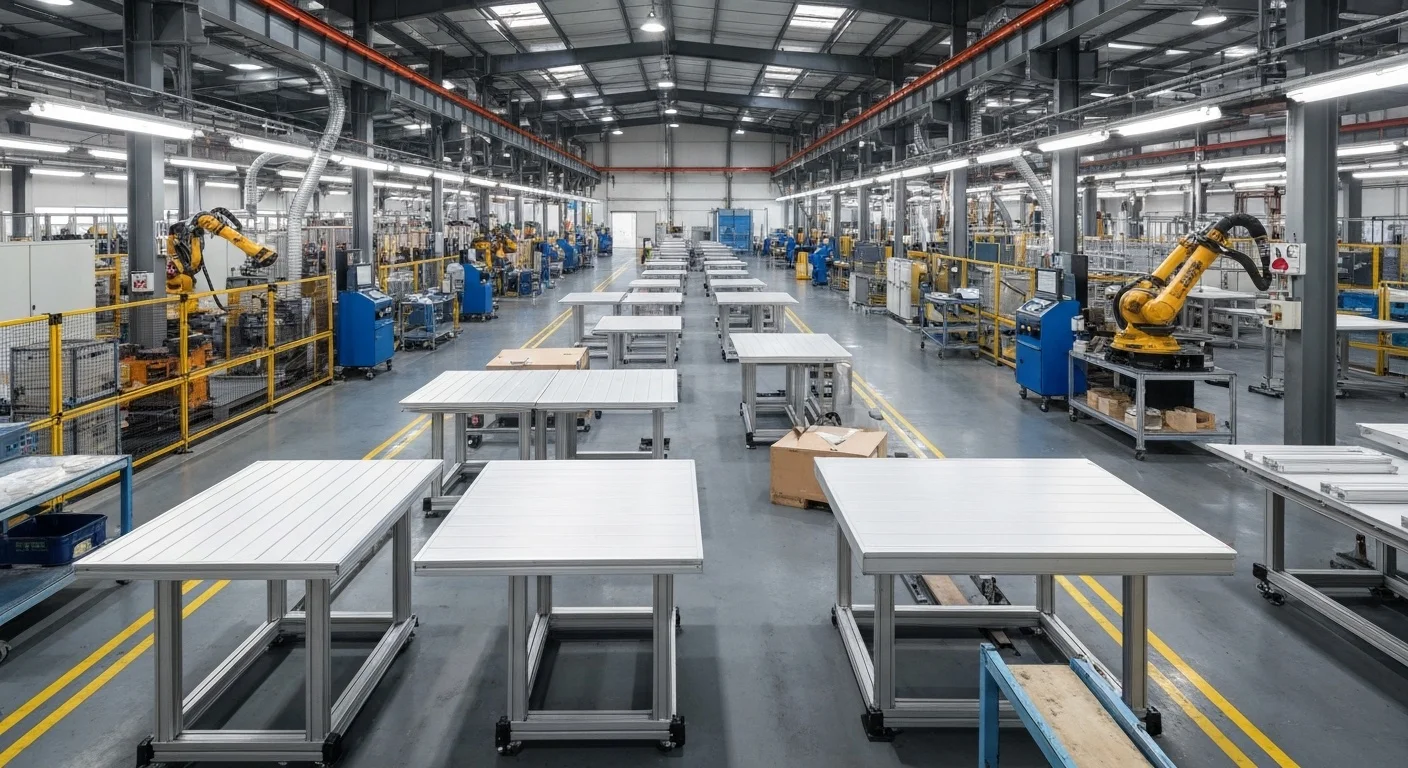
What Sets Our Portable Tables Apart
Format and dimension planning
Shortlist roll-up, folding, compact, dining, side-table, and work-surface formats using assembled and packed dimensions.
Surface and load review
Match tabletop material, frame construction, stated load, heat or moisture exposure, and cleaning needs to the intended job.
Storage and transport fit
Review carton quantity, carry method, packed shape, setup steps, and vehicle or warehouse constraints before buying at volume.
Program-level commercial inputs
Confirm quantity by size, branding, packaging, sample needs, destination, and required date for a comparable quote.
Technical Specifications
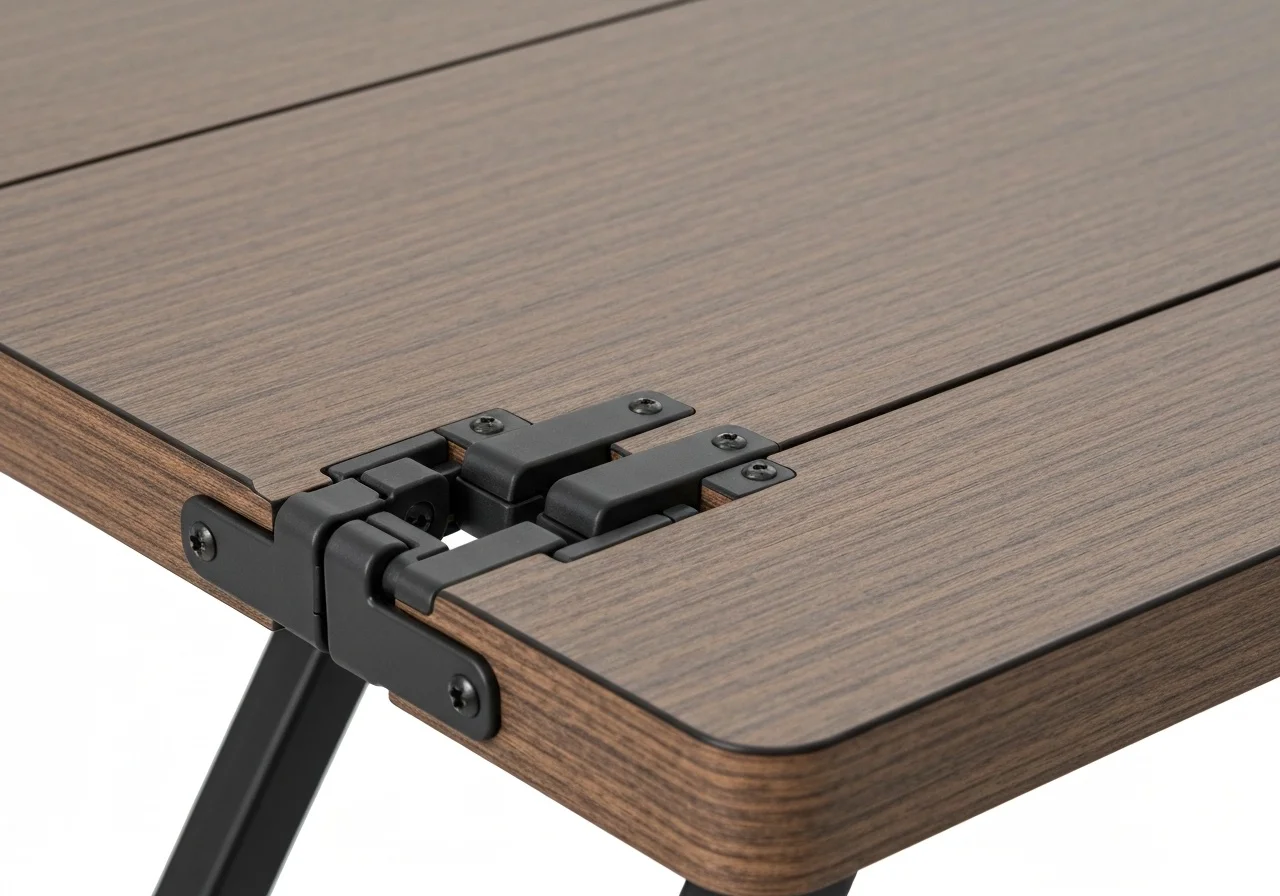
- Aluminum tabletop options
- Bamboo tabletop options
- Aluminum or steel frames
- Plastic fittings
- Non-slip feet
- Carry-bag materials
- ■Event and catering layouts
- ■Campground site furniture
- ■Outdoor hospitality dining and activity areas
- ■Trade show and vendor setups
- ■Dealer assortments
- ■Group programs and field operations
Explore More Capabilities
Folding Camping Chairs
Review folding seating by use environment, frame and fabric options, weight capacity, packed size, handling frequency, branding needs, quantity by model, and delivery plan before requesting a comparable bulk quote.
Learn more →Bulk shade by footprint and setupCanopy & Shade Systems
Compare canopy and shade models by footprint, frame and fabric, sidewall options, stated sun protection, setup team, anchoring environment, packed size, branding, quantity, and delivery plan.
Learn more →Bulk transport by terrain and loadFolding Utility Wagons
Review wagon models by terrain, stated load, wheel format, steering, bed size, folded dimensions, liner and accessory options, branding, quantity, and storage or vehicle constraints.
Learn more →Industries Using Portable Tables
Frequently Asked Questions
Define the table job first: seated dining, food preparation, display, side table, activity surface, or field work. Then compare assembled size, height, surface, stated load, packed size, setup, and cleaning needs.
Yes. A useful bulk review starts with the intended use, model or specification range, quantity by SKU, delivery destination, required date, and any branding or packaging requirements.
There is no single MOQ that applies to every model and configuration. MOQ must be confirmed for the selected SKU, quantity mix, branding method, packaging, and production or inventory path.
Branding options depend on the product construction, printable area, order quantity, color requirements, and packaging scope. The available method and approval sample should be confirmed for the selected model.
Sample availability, sample cost, branding, and shipping depend on the selected model and current source. The sample plan should specify exactly which features and operating conditions need approval.
Timing depends on model availability, quantity, customization, packaging, required documents, production status, and destination. A written quote should state the current assumptions instead of relying on a universal lead-time claim.
Documents vary by model, material, market, and source. Buyers should identify the required standard or document so availability and scope can be verified before the order is approved.
A mixed-category program can be reviewed when quantities, model choices, packaging, destination, and timing are clear. Whether items can share production or freight must be confirmed in the commercial plan.
A bar height table weight capacity of 500 lbs (commercial-grade) prevents tipping and collapse under normal use. Residential models with 250 lbs capacity pose a tipping hazard when guests lean or sit on the table. Always specify commercial construction with 1.25-inch steel tubing and cross-bracing for guest safety and liability reduction.
Recycled plastic tables cost $350–$600 vs. wood at $250–$450. However, plastic lasts 20+ years with zero maintenance, while wood requires annual sealing and lasts 5–10 years. Over 20 years, plastic saves on replacement and labor costs. The breakeven occurs around year 8–10, depending on local labor rates for sealing.
UV exposure is the primary factor shortening cover life. Sunlight breaks down fabric fibers and plastic polymers, causing fading and strength loss. Fabric covers left outdoors can lose color and integrity within weeks. For outdoor use, choose covers with UV-resistant coatings or higher denier fabrics to slow degradation.
Plastic table covers typically last 1–6 months. They are best for single-use events, especially indoors. Outdoors, UV exposure can cause failure within one event. For repeated use, fabric covers offer significantly longer life.
Bring the model requirements, quantities, destination, and date.
We’ll identify the relevant product path, missing evidence, and information required for availability and pricing.