Compare folding chair models for event, campground, and dealer programs.
- ■Frame optionsAluminum or steel, confirmed by model
- ■CapacityModel-specific stated load capacity
- ■Seat materialsOxford fabric, ripstop, mesh, or padded variants
- ■Packed dimensionsConfirmed on the selected model sheet
Review folding seating by use environment, frame and fabric options, weight capacity, packed size, handling frequency, branding needs, quantity by model, and delivery plan before requesting a comparable bulk quote.
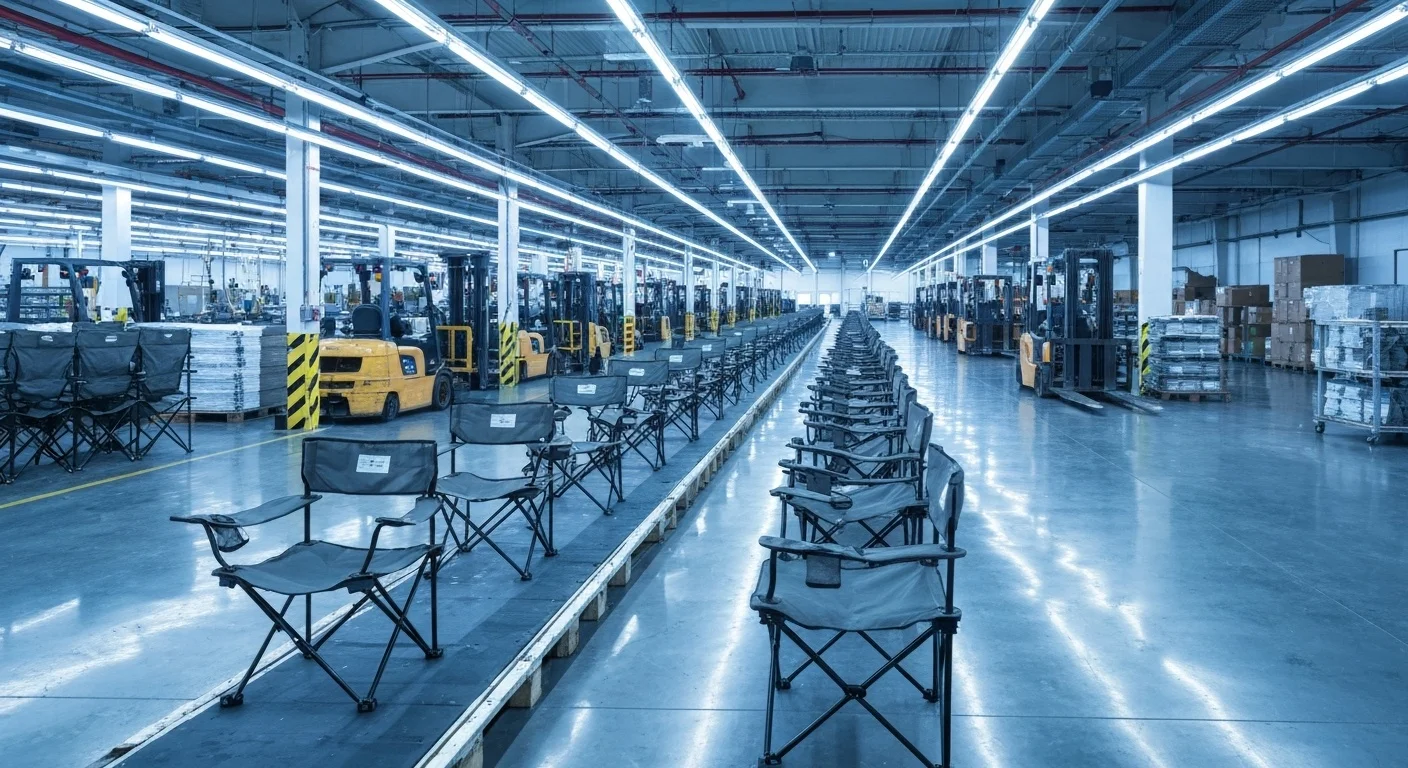
What Sets Our Folding Camping Chairs Apart
Model-level seating comparison
Compare chair format, seat height, arm and back design, frame material, fabric, stated capacity, packed dimensions, and unit weight by model.
Commercial handling fit
Evaluate setup, folding, carry method, storage density, cleaning, and repeated handling against the actual venue, campground, rental, or dealer workflow.
Branding and packaging review
Confirm printable areas, branding method, color requirements, carry-bag treatment, carton configuration, and approval steps for the selected chair.
Quantity and replacement planning
Define the quantity by model, sample needs, spare-unit assumptions, destination, and required date before comparing commercial options.
Technical Specifications
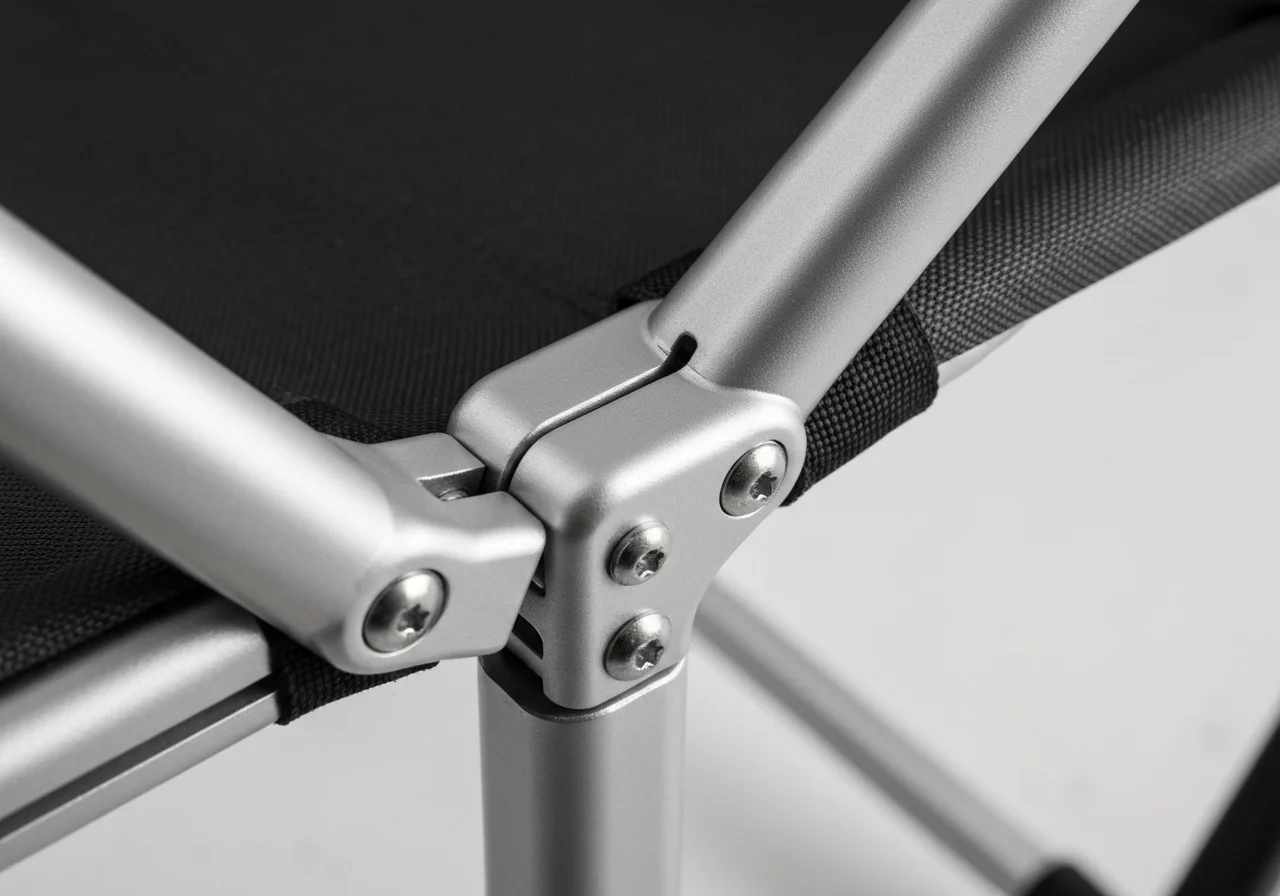
- Aluminum frame options
- Steel frame options
- Oxford fabric
- Ripstop fabric
- Mesh panels
- Padding and carry-bag components
- ■Event rental seating
- ■Venue and festival seating
- ■Campground and outdoor hospitality inventory
- ■Dealer and distributor assortments
- ■Group camp programs
- ■Retail and e-commerce product lines
Explore More Capabilities
Portable Tables
Compare folding and roll-up tables by assembled dimensions, height, tabletop and frame options, stated load, packed size, setup workflow, branding, quantity, and destination.
Learn more →Bulk shade by footprint and setupCanopy & Shade Systems
Compare canopy and shade models by footprint, frame and fabric, sidewall options, stated sun protection, setup team, anchoring environment, packed size, branding, quantity, and delivery plan.
Learn more →Bulk transport by terrain and loadFolding Utility Wagons
Review wagon models by terrain, stated load, wheel format, steering, bed size, folded dimensions, liner and accessory options, branding, quantity, and storage or vehicle constraints.
Learn more →Industries Using Folding Camping Chairs
Frequently Asked Questions
Start with the use environment, handling frequency, seat format, frame and fabric preference, stated capacity, packed size, branding, quantity, and replacement plan. Compare only models with the fields needed for the same operating job.
Yes. A useful bulk review starts with the intended use, model or specification range, quantity by SKU, delivery destination, required date, and any branding or packaging requirements.
There is no single MOQ that applies to every model and configuration. MOQ must be confirmed for the selected SKU, quantity mix, branding method, packaging, and production or inventory path.
Branding options depend on the product construction, printable area, order quantity, color requirements, and packaging scope. The available method and approval sample should be confirmed for the selected model.
Sample availability, sample cost, branding, and shipping depend on the selected model and current source. The sample plan should specify exactly which features and operating conditions need approval.
Timing depends on model availability, quantity, customization, packaging, required documents, production status, and destination. A written quote should state the current assumptions instead of relying on a universal lead-time claim.
Documents vary by model, material, market, and source. Buyers should identify the required standard or document so availability and scope can be verified before the order is approved.
A mixed-category program can be reviewed when quantities, model choices, packaging, destination, and timing are clear. Whether items can share production or freight must be confirmed in the commercial plan.
Higher weight capacity chairs use thicker steel frames and denser fabric, increasing material cost. In bulk, a 300 lbs commercial chair costs $25-$45 per unit, while a 250 lbs consumer chair costs $10-$20. The price difference reflects the stronger frame and 600D Oxford fabric needed for commercial use.
The breakeven point depends on usage frequency. A commercial chair lasting 3-5 seasons at $25-$45 per unit costs less per use than a consumer chair at $10-$20 that fails in 1-2 seasons. For events with 50+ guests, commercial chairs typically pay off within two seasons due to reduced replacement costs.
Higher denier fabrics (e.g., 600D polyester) with 3000 mm waterproof coatings resist UV degradation and tearing. Ripstop nylon and Cordura corner reinforcements prevent tear propagation. Frames with ±2 mm tolerance ensure consistent assembly. These features extend usable life to 500+ hours of exposure, reducing replacement frequency.
Wholesale pricing on powder-coated steel poles saves 15-25% for orders above 50 units, and 30% for 100+ units. For a 20x20 ft tent used 6+ times per year, the savings from wholesale poles offset the higher upfront cost within one season, making it cost-effective compared to retail.
Aluminum poles cost $8–$18 per unit in bulk, while fiberglass costs $4–$10. Aluminum lasts 8–15 years versus 3–5 for fiberglass, making aluminum cheaper per use over time. Steel poles cost $6–$12 but are heavier. Material choice directly impacts upfront cost and total cost of ownership.
The breakeven point is around year 4. An aluminum pole costing $12 that lasts 10 years is cheaper per use than a $6 fiberglass pole needing replacement every 3 years. For commercial use, aluminum becomes cost-effective after 4 years of regular use.
The patriot wholesale sleeping bag is made of polyethylene reflective film, which is waterproof and windproof. It reflects body heat and blocks moisture, making it suitable for emergency use in wet conditions. However, it is not designed for prolonged exposure to heavy rain; for extended wet weather, consider pairing it with a waterproof tarp.
The breakeven point depends on your volume and supplier pricing tiers. Typically, tiers start around 100 units, then 500, then 1,000 or more. Cost per unit decreases with volume, but the exact crossover varies. Mixing SKUs (e.g., reflective and insulated bags) can help you reach higher tiers without committing to large per-SKU orders, lowering your effective cost.
The breakeven point for bulk tent orders depends on your volume and the supplier's pricing tiers. For tents, minimum order quantities often start at 20-50 units, and savings from volume pricing must offset higher upfront costs. Calculate total landed cost per tent to find your breakeven.
Critical specifications for bulk folding chairs include industrial-grade steel frames, 600D waterproof Oxford fabric, weight capacity (standard 250-300 lbs, heavy-duty up to 400 lbs), and folded dimensions for storage. Specify powder-coated frames to resist rust and scratches, as our production team recommends.
Bring the model requirements, quantities, destination, and date.
We’ll identify the relevant product path, missing evidence, and information required for availability and pricing.