Wholesale Canopy & Shade Systems for Venues and Camps
- ■Common footprintsModel families may include 5×5 through 10×20 ft
- ■Frame optionsAluminum or steel, confirmed by model
- ■Canopy fabricPolyester and coating vary by model
- ■Sun protectionReview current model-specific source evidence
Compare canopy and shade models by footprint, frame and fabric, sidewall options, stated sun protection, setup team, anchoring environment, packed size, branding, quantity, and delivery plan.
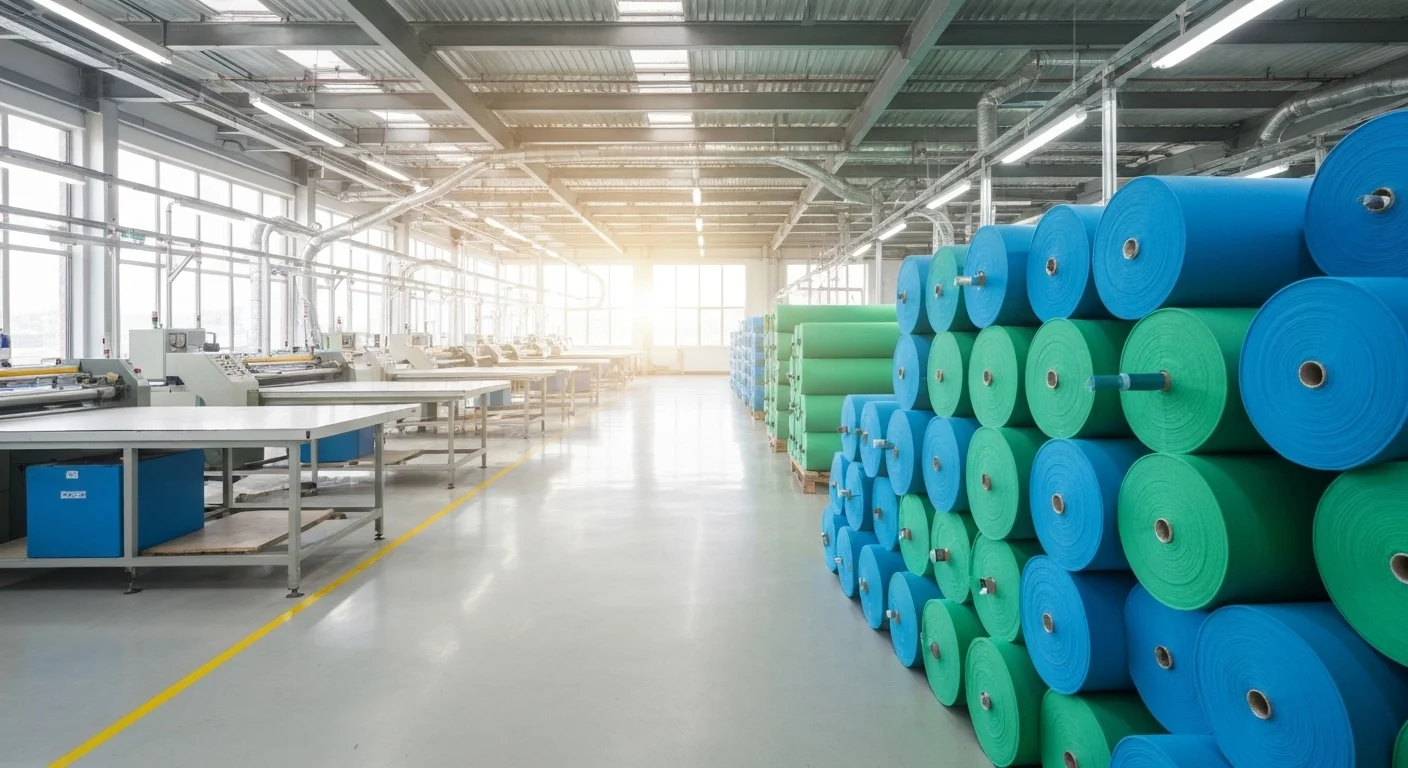
What Sets Our Canopy & Shade Systems Apart
Footprint and coverage planning
Match canopy dimensions and layout to guest shade, vendor booths, check-in, service, storage, or campground common-area jobs.
Frame and fabric comparison
Review frame material and profile, canopy fabric, stated sun-protection information, sidewalls, connection points, and replaceable components by model.
Setup and anchoring workflow
Evaluate crew size, setup steps, packed size, transport, surface type, anchoring method, and weather operating rules for the site.
Graphics and program consistency
Confirm printable panels, artwork area, color expectations, sidewall treatment, carry bag, and replacement-top needs before approval.
Technical Specifications
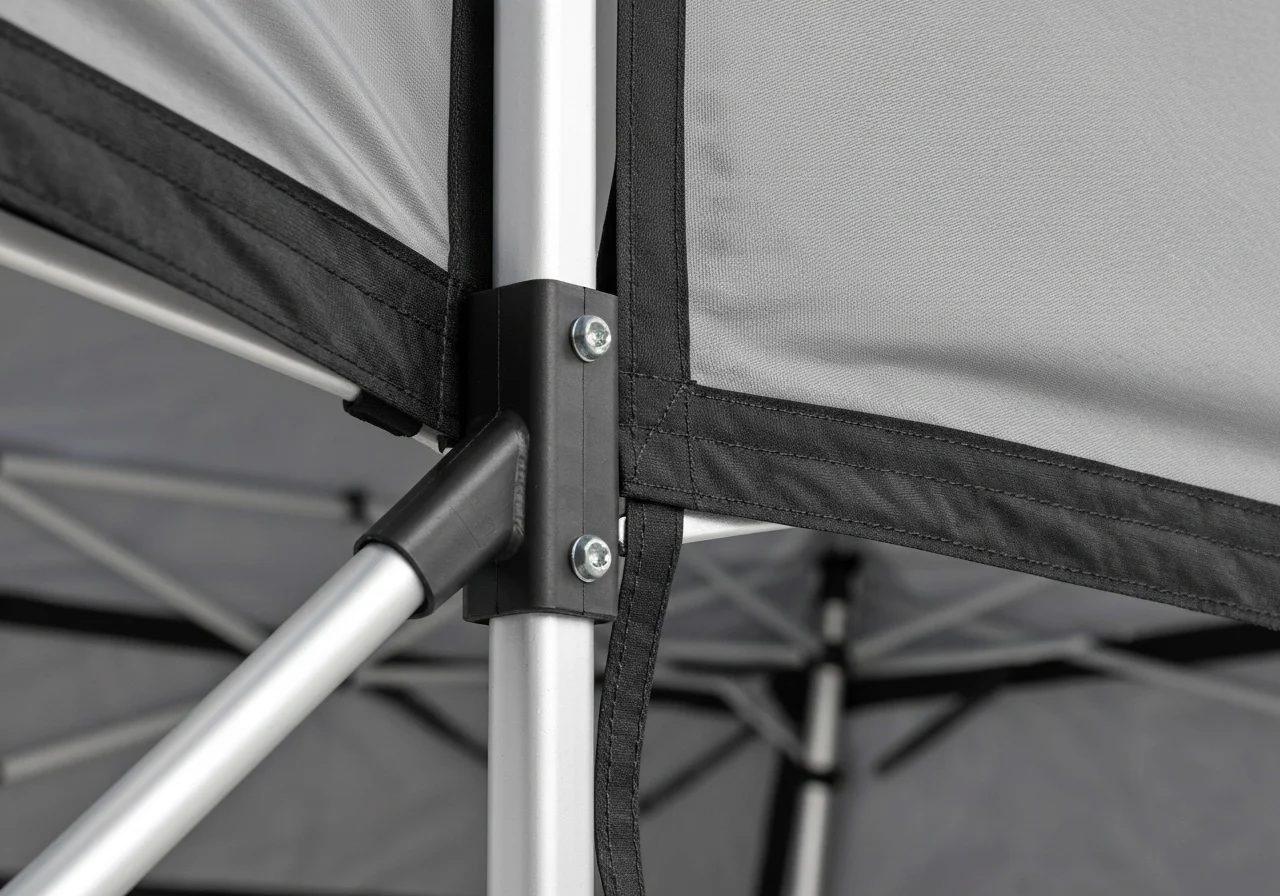
- Polyester canopy fabrics
- Aluminum frame options
- Steel frame options
- Optional sidewall materials
- Stakes, lines, and weight accessories
- Carry-bag components
- ■Event and festival shade
- ■Venue entrances and check-in
- ■Vendor and market booths
- ■Campground common areas
- ■Sports and group programs
- ■Branded dealer or promotional programs
Explore More Capabilities
Folding Camping Chairs
Review folding seating by use environment, frame and fabric options, weight capacity, packed size, handling frequency, branding needs, quantity by model, and delivery plan before requesting a comparable bulk quote.
Learn more →Bulk tables by size and workflowPortable Tables
Compare folding and roll-up tables by assembled dimensions, height, tabletop and frame options, stated load, packed size, setup workflow, branding, quantity, and destination.
Learn more →Bulk transport by terrain and loadFolding Utility Wagons
Review wagon models by terrain, stated load, wheel format, steering, bed size, folded dimensions, liner and accessory options, branding, quantity, and storage or vehicle constraints.
Learn more →Industries Using Canopy & Shade Systems
Frequently Asked Questions
Start with footprint, surface, anchoring plan, setup crew, expected operating weather, packed-size constraints, sidewalls, branding, and replacement-component needs. Wind and sun-protection claims must be checked on the selected model.
Yes. A useful bulk review starts with the intended use, model or specification range, quantity by SKU, delivery destination, required date, and any branding or packaging requirements.
There is no single MOQ that applies to every model and configuration. MOQ must be confirmed for the selected SKU, quantity mix, branding method, packaging, and production or inventory path.
Branding options depend on the product construction, printable area, order quantity, color requirements, and packaging scope. The available method and approval sample should be confirmed for the selected model.
Sample availability, sample cost, branding, and shipping depend on the selected model and current source. The sample plan should specify exactly which features and operating conditions need approval.
Timing depends on model availability, quantity, customization, packaging, required documents, production status, and destination. A written quote should state the current assumptions instead of relying on a universal lead-time claim.
Documents vary by model, material, market, and source. Buyers should identify the required standard or document so availability and scope can be verified before the order is approved.
A mixed-category program can be reviewed when quantities, model choices, packaging, destination, and timing are clear. Whether items can share production or freight must be confirmed in the commercial plan.
A 16x16 custom canopy typically includes a 16-foot square footprint, heavy-duty aluminum or steel frame, and 300-600 denier polyester or vinyl fabric. Sidewalls, anchoring options (e.g., stakes or ballast), and branding via screen printing or dye sublimation are common. Packed size and setup team requirements vary by model.
Look for a distributor that offers volume discounts, consistent quality across units, and customization options like frame color, fabric grade, and branding. Confirm lead times, minimum order quantities, and delivery logistics. A distributor with experience in event or camp setups can also advise on anchoring and sidewall needs.
Consider local climate (wind and sun exposure), permitting requirements for public events, and delivery access. Choose a supplier that provides durable fabrics with UV protection, robust anchoring for coastal winds, and compact packed sizes for storage. Verify that the distributor can meet your quantity and timeline.
Yes. We provide custom canopy systems in various footprints, including 16x16. You can specify frame, fabric, sidewalls, anchoring, and branding. Contact us with your exact dimensions and requirements to receive detailed specifications and a quote.
A heavy duty pop up canopy 10x10 costs more upfront but spreads that cost across more seasons. Because it uses 600D Oxford fabric, a PU coating, and a powder-coated steel frame, it typically outlasts a recreational canopy that fails within a season. Over three years, the heavy-duty unit usually delivers a lower cost per year of service.
Breakeven depends on climate and use, not a fixed number. In wet regions, a PU coating tent resists abrasion and water longer, avoiding leakage returns that a DWR finish tent cannot. In dry, occasional-use settings, the cheaper DWR finish is more suitable for the budget. Match the coating to your real conditions before comparing price.
Denier measures yarn weight in grams per 9,000 meters, so heavier yarn resists tearing and UV breakdown longer. Budget 150D silver-coated tops suit occasional backyard use, while 400D Oxford fits weekend vendor booths and 600-denier Oxford is built for weekly market vendors. Our production team treats denier plus coating documentation, not denier alone, as the real durability signal.
There is no single unit count that fits every seller. Commercial fabric is defined by repeated setup, higher wind load, and documented UV and water resistance, so it pays off when a vendor sets up weekly rather than twice a season. Compare your setup frequency and inspection requirements against the price gap before standardizing on one tier.
Bring the model requirements, quantities, destination, and date.
We’ll identify the relevant product path, missing evidence, and information required for availability and pricing.