Compare folding wagons for site transport, event setup, and dealer assortments.
- ■Stated loadModel-specific source specification
- ■FrameSteel construction varies by model
- ■Wheel formatStandard or wide-profile options by terrain
- ■Bed and folded sizeConfirmed on the selected model sheet
Review wagon models by terrain, stated load, wheel format, steering, bed size, folded dimensions, liner and accessory options, branding, quantity, and storage or vehicle constraints.
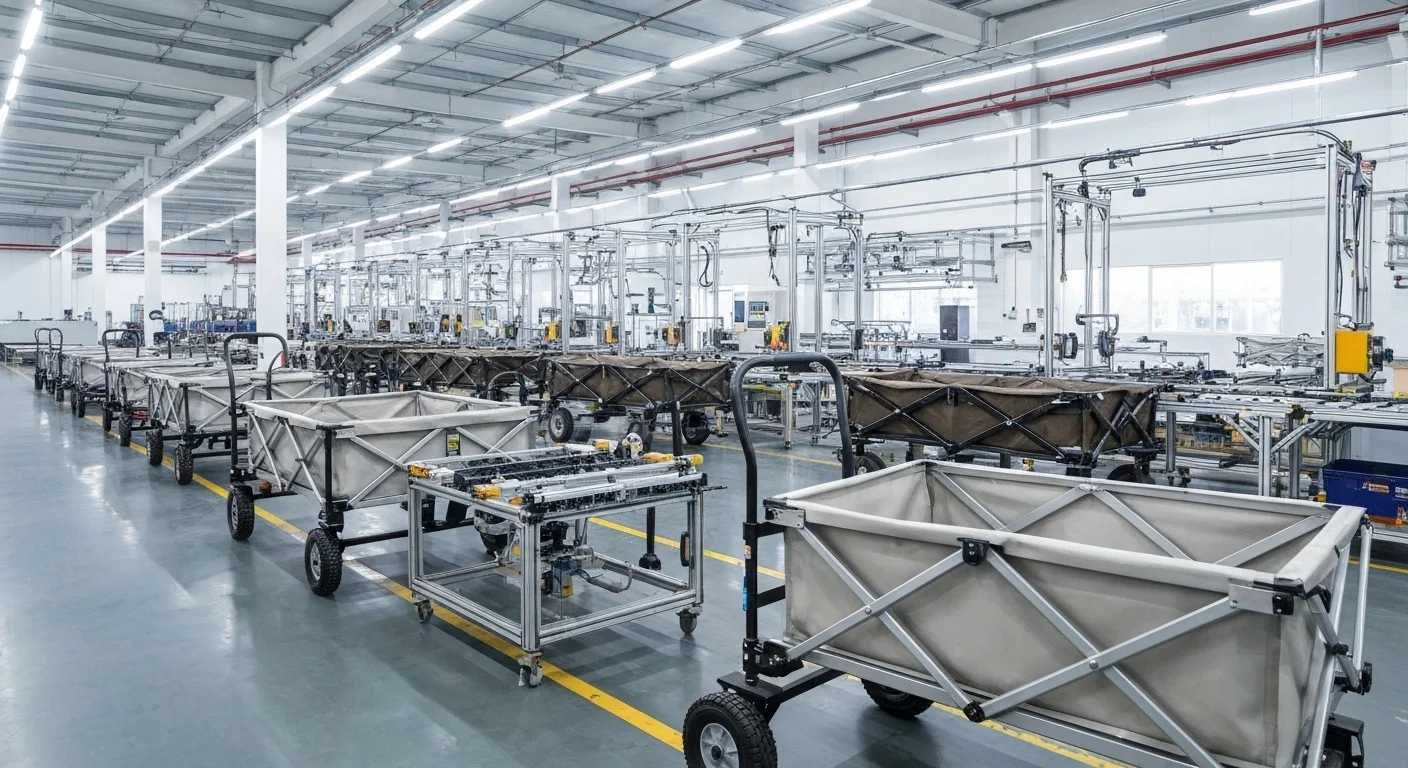
What Sets Our Folding Utility Wagons Apart
Terrain and wheel selection
Match wheel width, diameter, tread, bearings, steering, and braking features to pavement, grass, gravel, sand, boardwalk, or mixed surfaces.
Load and bed planning
Compare stated load, interior dimensions, frame, liner, side structure, and the shape of the equipment or supplies being moved.
Folded storage review
Check folded dimensions, carry method, vehicle fit, warehouse density, and daily setup against the actual crew workflow.
Accessory and branding scope
Confirm liners, dividers, cooler inserts, covers, cup holders, handles, printable areas, packaging, and replacement parts by model.
Technical Specifications
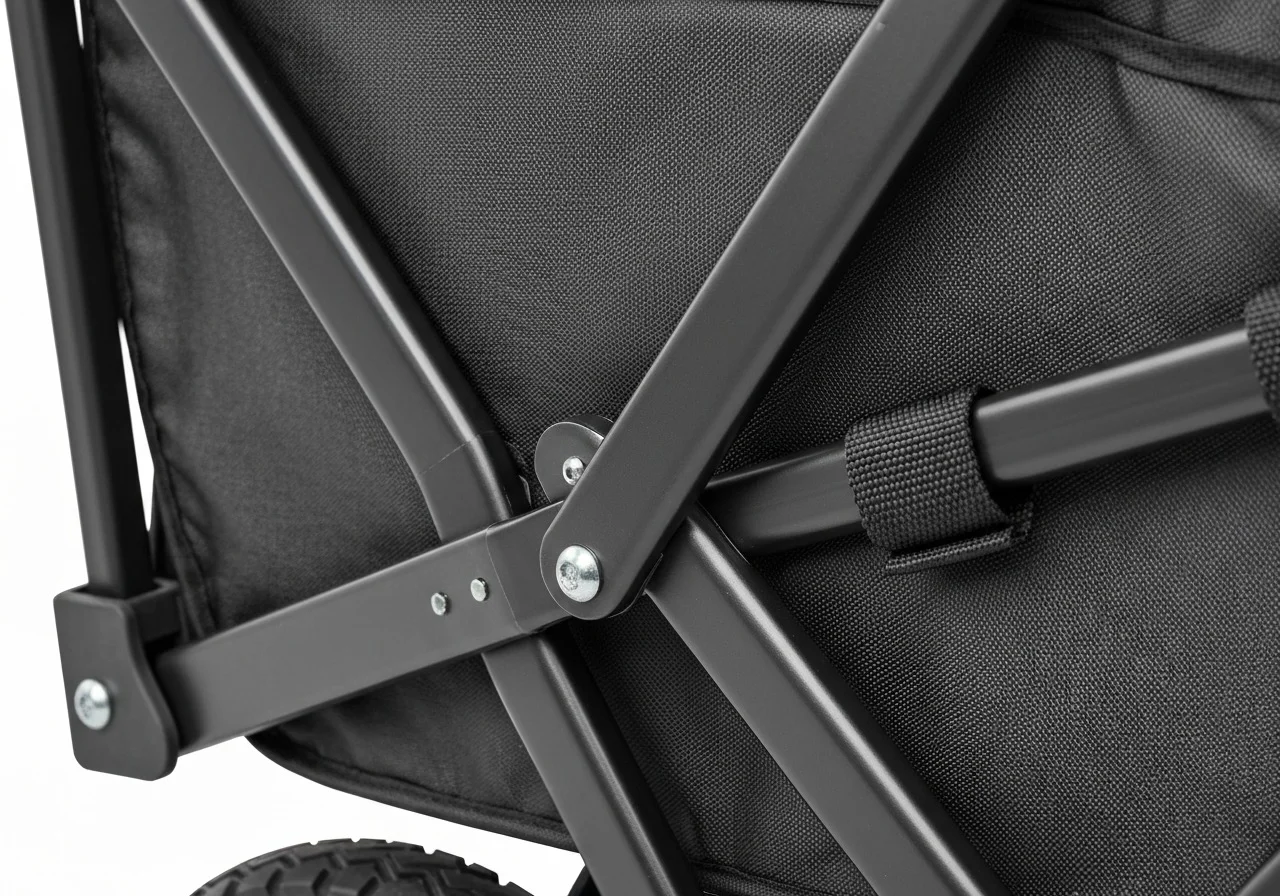
- Powder-coated steel frames
- Oxford fabric liners
- Rubber or composite wheels
- Handle grips and linkages
- Webbing reinforcement
- Optional inserts and covers
- ■Event setup and teardown
- ■Campground guest and operations transport
- ■Beach and boardwalk equipment movement
- ■Festival and vendor logistics
- ■Dealer and retailer assortments
- ■Group camp and recreation programs
Explore More Capabilities
Canopy & Shade Systems
Compare canopy and shade models by footprint, frame and fabric, sidewall options, stated sun protection, setup team, anchoring environment, packed size, branding, quantity, and delivery plan.
Learn more →Bulk seating model selectionFolding Camping Chairs
Review folding seating by use environment, frame and fabric options, weight capacity, packed size, handling frequency, branding needs, quantity by model, and delivery plan before requesting a comparable bulk quote.
Learn more →Assortment and bundle planningOutdoor Accessories
Review sleeping, carrying, cooling, comfort, hydration, and related outdoor accessories by use case, model specifications, size range, packaging, bundle logic, branding, documents, quantity, and delivery plan.
Learn more →Industries Using Folding Utility Wagons
Frequently Asked Questions
Define the real load, terrain, trip distance, turning space, storage location, vehicle, lifting limits, and accessory needs. Compare stated load and folded dimensions only on the selected model.
Yes. A useful bulk review starts with the intended use, model or specification range, quantity by SKU, delivery destination, required date, and any branding or packaging requirements.
There is no single MOQ that applies to every model and configuration. MOQ must be confirmed for the selected SKU, quantity mix, branding method, packaging, and production or inventory path.
Branding options depend on the product construction, printable area, order quantity, color requirements, and packaging scope. The available method and approval sample should be confirmed for the selected model.
Sample availability, sample cost, branding, and shipping depend on the selected model and current source. The sample plan should specify exactly which features and operating conditions need approval.
Timing depends on model availability, quantity, customization, packaging, required documents, production status, and destination. A written quote should state the current assumptions instead of relying on a universal lead-time claim.
Documents vary by model, material, market, and source. Buyers should identify the required standard or document so availability and scope can be verified before the order is approved.
A mixed-category program can be reviewed when quantities, model choices, packaging, destination, and timing are clear. Whether items can share production or freight must be confirmed in the commercial plan.
Chair width directly determines how many chairs can fit around a 42-inch table. Standard chairs are 18-20 inches wide, allowing 4 to fit comfortably. Narrower chairs (16-18 inches) can fit 5, while wider chairs with armrests (24-26 inches) reduce capacity to 3-4. Always measure your chairs to ensure they fit within the table's 132-inch circumference.
For a standard 30-inch tall table, the ideal chair seat height is 17-19 inches. This allows most adults to sit with feet flat and knees at a 90-degree angle. If your table is lower (24-26 inches), choose chairs with a seat height around 15-16 inches, like our Kermit chair, to maintain comfort.
MOQ sets how much cash you tie up before a single unit sells, so it shapes your landed cost as much as the unit price. Confirm the MOQ, freight, and FBA inbound fees together, because a low unit price on a large MOQ can still raise your true cost per unit.
There is no single unit breakeven, because the two shapes solve different problems. A 6 foot rectangular table seats more diners in a row, while a 24 inch square table fits corners and modular layouts. Compare total floor space and seating plan, not just table count.
Bring the model requirements, quantities, destination, and date.
We’ll identify the relevant product path, missing evidence, and information required for availability and pricing.