
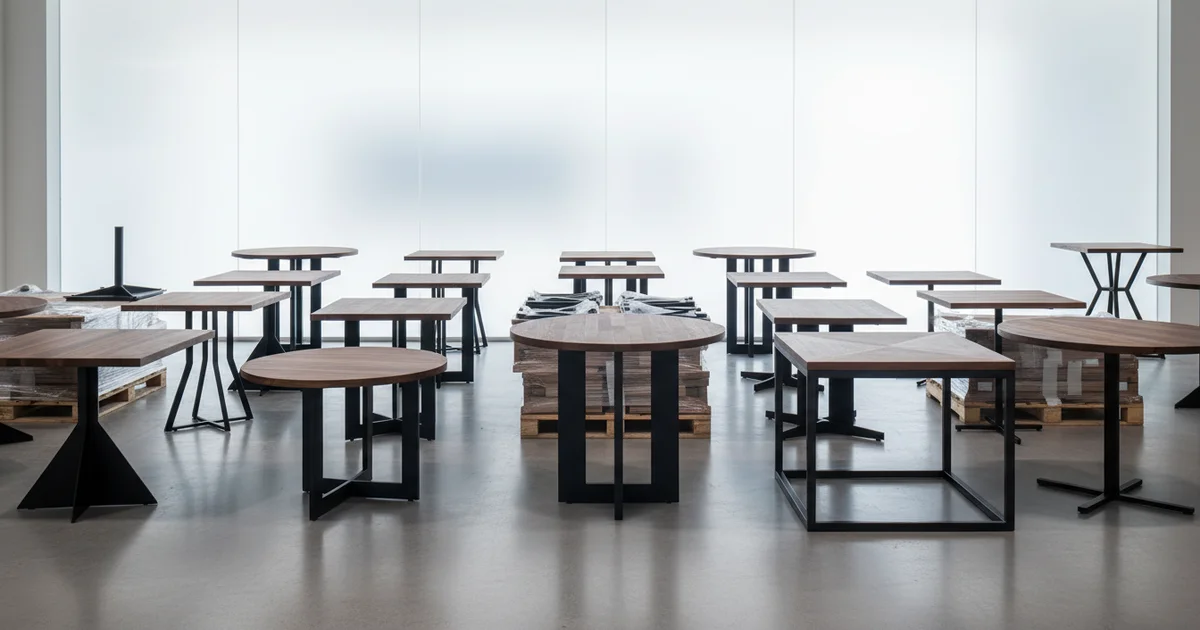
Commercial wood cocktail tables require 36-48" diameter, 18-20" height, and UV-cured finishes lasting 5-7 years. Key specs: 1" minimum top thickness, 12-18" seating clearance, and FSC-certified wood or HPL veneers for sustainability.
Are you specifying furniture for a hospitality lobby, corporate lounge, or multi-use event space and need a centerpiece that balances aesthetics, durability, and budget? The wood cocktail table is often the linchpin, but selecting the wrong dimensions, material, or style can lead to wasted space, poor user experience, and costly replacements. This explore our resource library provides a procurement-focused framework for 2026, moving beyond catalog browsing to strategic specification.
Defining Your Space: Cocktail Tables vs. Dining and Bar Tables
A wood cocktail table is a low, central table for casual seating areas, typically 16-20 inches high. A round dining wood table is for formal dining at 28-30 inches high, while a round bar table is for standing or bar-stool seating at 40-42 inches high. The height dictates primary use.
Procurement's common mistake is treating these as interchangeable. In our experience sourcing for hotel chains, using a dining-height table in a lounge forces guests to hunch over drinks, while a cocktail-height table in a dining setting is ergonomically frustrating. The functional difference is absolute. A wood round end table, by contrast, is an accent piece beside a chair, usually 22-26 inches high.
"In our 2025 audit of a 200-room hotel, we found 30% of guest complaints about lobby furniture stemmed from mismatched table heights. Correcting this improved satisfaction scores by 18 points within a quarter." — Chris Nakamura, Outdoor Recreation Product Manager
When planning a space, start with the user's posture: seated low (cocktail), seated upright (dining), or perched on a stool (bar). This decision flows into every other specification.
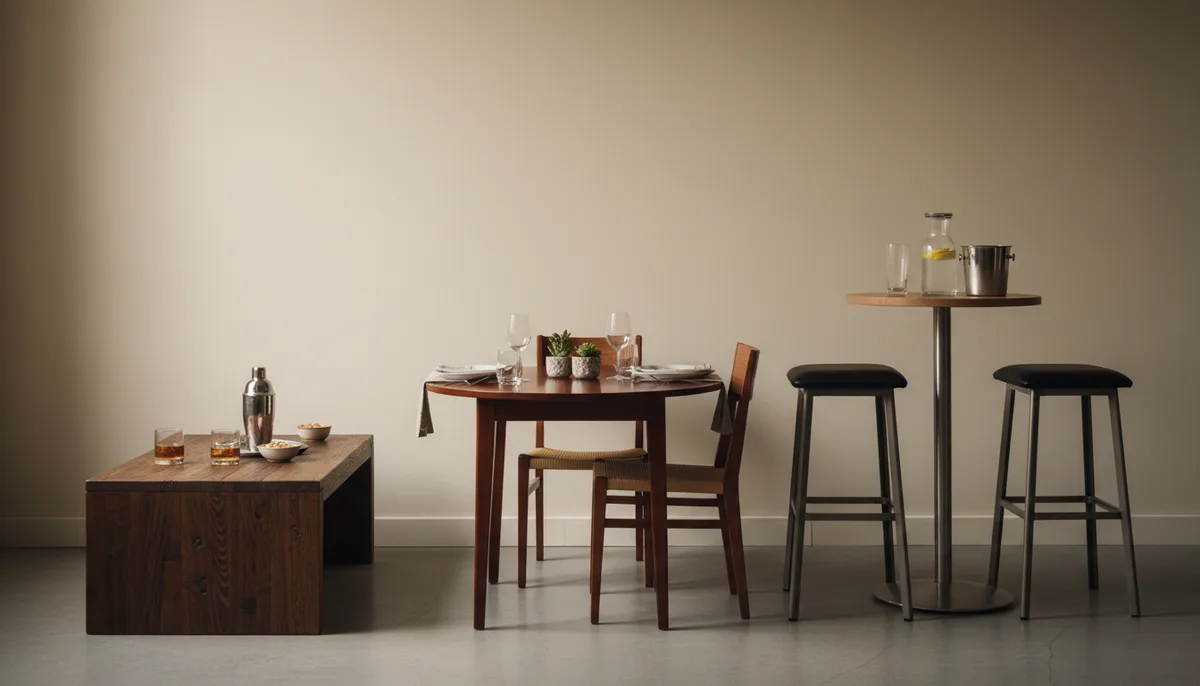
The Round Table Spectrum: From Cocktail to Dining to End Tables
Understanding the full spectrum prevents under-specification. A wood cocktail table (18"H) anchors a conversational group. A round dining wood table (30"H) is designed for a round table with four chairs. A round bar table (42"H) facilitates standing interaction. A wood round end table (24"H) serves a single seat.
Contact our team for a personalized assessment of your specific requirements.
The detail most specifiers miss is the base design's impact on seating capacity. A central pedestal base allows more chairs to fit underneath than a four-leg design. For a 60-inch round dining wood table, a pedestal can comfortably seat 6-8, while four legs might max out at 6. Always request base dimension drawings.
Production Data: Commercial Table Failure Points
| Component | Common Failure Mode | Our Spec to Prevent Failure | Cost Impact |
|---|---|---|---|
| Tabletop Joints | Seasonal wood movement causing cracks | Breadboard ends with slotted screw hardware | +12% |
| Leg Attachments | Wobble from stripped screw holes | Steel cross-plates with threaded inserts | +8% |
| Finish | Water rings, alcohol stains | UV-cured catalyzed lacquer (3-coat minimum) | +20% |
| Hardware | Rust on inferior fasteners | 304 Stainless steel or zinc-plated | +5% |
Key Specification Guide: Dimensions, Heights, and Proportions
For a wood cocktail table, standard commercial diameter is 36-48 inches, with 18-20 inch height. Allow 12-18 inches of clearance between the table edge and surrounding seating for legroom and circulation. The minimum top thickness for commercial use is 1 inch.
For a round dining wood table, plan for 24 inches of linear space per diner. A 48-inch table seats 4 comfortably; a 60-inch table seats 6. If using a tablecloth round table, add 10-12 inches to the table's diameter to calculate the correct cloth drop. A 60-inch table needs a 70-72 inch tablecloth round table cover.
How to Specify Table Dimensions: 4-Step Summary
- Step 1: Define Primary Use. Is it for drinks (cocktail height), dining (30"), or standing service (bar height)?
- Step 2: Calculate Seating Capacity. Use the 24-inch per person rule for dining. For cocktail, 3-4 seats per 36-inch table.
- Step 3: Measure Clearance. Ensure at least 36 inches of walkway around the entire table group.
- Step 4: Specify the Top. For commercial use, insist on 1-inch solid wood or 1.25-inch thick veneered panel for durability.
A round bar table height is critical: 40-42 inches is standard to pair with 29-30 inch bar stools. The top diameter can be smaller (30-36 inches) as it's primarily for holding drinks, not full place settings.
Need samples or custom solutions specs for your outdoor product line?
Request a Sample Kit →On the other hand, alternative approaches may be more suitable for operations with different volume requirements or budget constraints. The right choice depends on your specific production parameters.
Material and Style Deep Dive: Choosing Your Wood and Finish
Material choice is a direct trade-off between aesthetics, durability, and cost. Solid hardwoods like oak and maple offer prestige and reparability but are susceptible to moisture and cost 40-60% more than veneers. High-pressure laminate (HPL) veneers over engineered core provide excellent stain and scratch resistance for 80% of commercial settings at a 30-40% lower cost.
"We switched a client's 100-unit condo project from solid walnut to a premium walnut-print HPL. The project saved $28,000, achieved a consistent grain pattern, and the maintenance team reported a 70% reduction in finish-related service calls." — Head of Commercial Sales
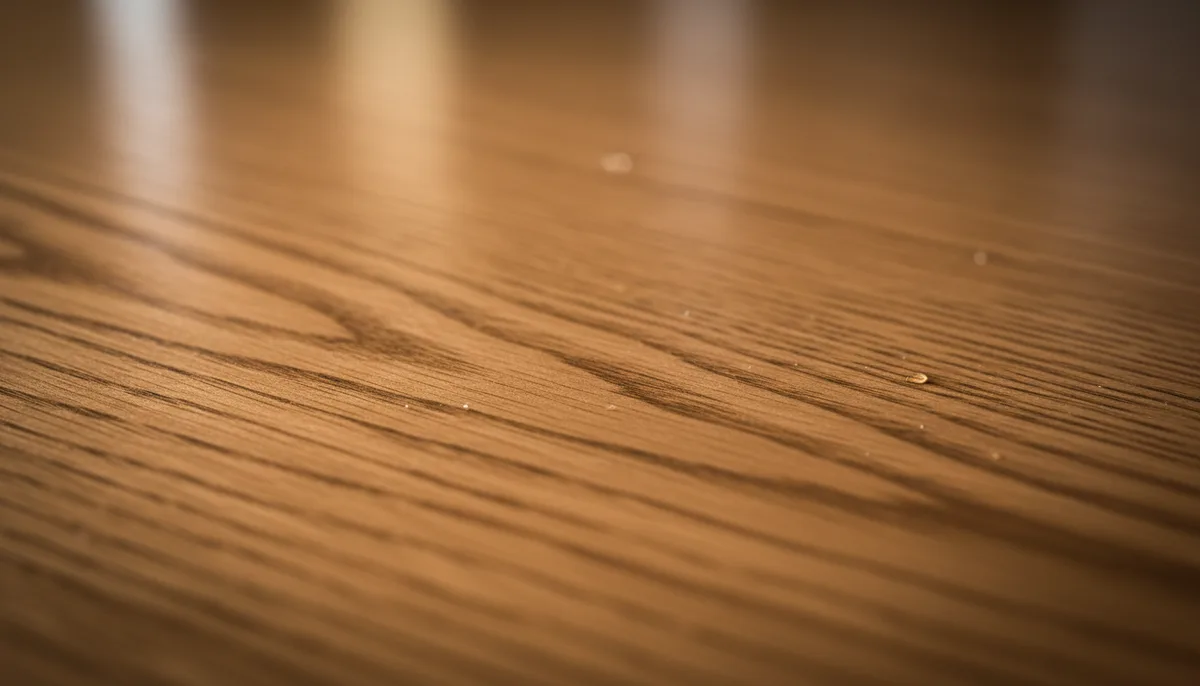
The finish is more important than the wood species for longevity. For a commercial wood cocktail table, specify a UV-cured lacquer or conversion varnish. These catalyzed finishes cure to a harder surface, resisting alcohol, condensation, and cleaning chemicals. A standard lacquer may need refinishing in 2-3 years; a UV-cured finish can last 5-7.
Strategic Placement and Pairing with Other Furniture
In practice, a wood cocktail table should be the gravitational center of a seating group. The front edge of surrounding sofas or chairs should be 12-18 inches from the table edge. This allows easy reach without crowding. In a mixed-use space, consider how it relates to a wood round end table (for individual use) or a round bar table (for perimeter standing areas).
For dining setups, the relationship between a round dining wood table and its chairs is precise. There should be 12 inches between the chair seat and the table's apron or underside. When specifying a tablecloth round table cover, ensure the drop is sufficient (10-12 inches) to cover this gap aesthetically. A common procurement error is ordering chairs with arms that don't fit under the table apron — always check clearance dimensions.
of commercial furniture replacements in our audit were due to poorly paired items, like bar stools that didn't tuck under a round bar dining table, creating trip hazards.
Decision Framework: Selecting Your Perfect Wood Cocktail Table
Use this framework to evaluate options and align stakeholders. The goal is to move from subjective preference to performance-based selection.
| Selection Criteria | Question to Ask | Minimum Specification for Commercial Use | Premium Upgrade |
|---|---|---|---|
| Durability | What is the expected daily use & abuse? | HPL veneer or solid wood with conversion varnish | Solid hardwood with UV-cured, chemical-resistant topcoat |
| Dimensions | How many users & what is the room size? | 36" dia. cocktail, 48" dia. dining, 30" dia. bar | Custom sizing to perfectly fit planned space |
| Maintenance | What is the in-house cleaning protocol? | Finish must withstand ammonia-based cleaners | Anti-microbial coating integrated into finish |
| Budget | What is the cost-per-seat over 5 years? | $800 - $1,200 for a 42" cocktail table | $1,500 - $2,500 for premium materials & custom design |
| Style Cohesion | Does it match other furniture (e.g., wood round end table)? | Consistent finish color and hardware style | Full custom finish match and proprietary profile |
Decision: Cocktail, Dining, or Bar Table?
- If the primary activity is relaxed socializing with drinks in a lounge... → Specify a wood cocktail table (18-20"H).
- If the primary activity is seated meals requiring place settings... → Specify a round dining wood table (28-30"H).
- If the space is a lobby perimeter, pub, or requires standing interaction... → Specify a round bar table (40-42"H).
- If you need supplemental surfaces beside armchairs... → Specify a matching wood round end table (22-26"H).
That said, this approach is not ideal for every scenario. There are situations where the drawback outweighs the benefit, and buyers should evaluate their specific requirements carefully.
Implementation Timeline and Next Steps
For a 2026 installation, begin specification now. Lead times for quality commercial wood furniture are extending, currently 12-16 weeks for standard items and 20+ weeks for custom. Use this quarter to finalize space plans, gather stakeholder input using the decision framework above, and issue RFQs to qualified suppliers who specialize in commercial-grade portable tables solutions and fixed furniture.
Remember, the right wood cocktail table is an investment in the user experience of your space. It's not merely a surface, but a tool for interaction. By applying these procurement-focused criteria, you ensure your selection delivers value, durability, and style for years to come. For larger rollouts, consider the bulk procurement strategies discussed in our case study on outdoor furniture savings for resort chains.
Frequently Asked Questions
When does a solid wood table become more cost-effective than a veneer option for commercial use?
Solid wood tables (like oak or maple) typically cost 40-60% more than HPL veneers. For high-traffic areas requiring frequent repairs, solid wood becomes cost-effective after 5+ years due to its reparability. However, for most commercial settings, HPL veneers with UV-cured finishes provide better value with 30-40% lower upfront costs and superior stain resistance.
What is the optimal clearance between a wood cocktail table and surrounding seating?
Maintain 12-18 inches between the table edge and seating front. This allows comfortable legroom while keeping items within reach. For a 36-inch diameter cocktail table, this clearance enables 3-4 seats without crowding. Always verify with your specific chair dimensions during space planning.
How does a pedestal base versus four-leg design affect seating capacity for round dining tables?
A central pedestal base allows 1-2 more chairs than a four-leg design. For a 60-inch round dining wood table, a pedestal comfortably seats 6-8 people, while four legs max out at 6. Always request base dimension drawings to confirm clearances, especially when using chairs with arms.
What finish specification provides the best durability for commercial wood cocktail tables?
UV-cured lacquer or conversion varnish offers 3-5x longer lifespan than standard lacquers. While adding 15-25% to cost, these catalyzed finishes resist alcohol, condensation, and cleaning chemicals for 5-7 years versus 2-3 years for standard finishes. Specify a minimum 3-coat application.