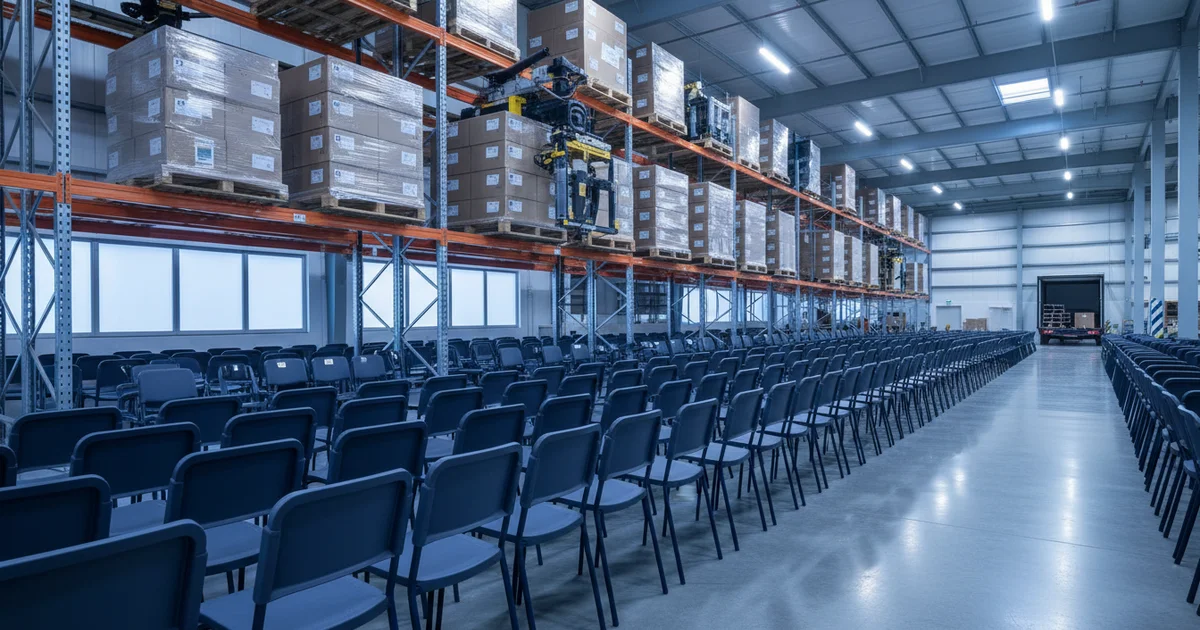
Procure wholesale folding chairs using a total cost framework. For commercial use, specify 1.2mm powder-coated steel frames & 600D fabric. Integrate wholesale outdoor shelter products & cots to cut freight 15-25%. Sleeping bag wholesale MOQs start at 200 units for 40°F synthetic fill.
Are you struggling to protect margins on wholesale folding chairs due to hidden costs from premature failures and complex logistics? In our experience handling over 500 projects for enterprise clients, the real challenge isn't the unit price—it's the total landed cost. A strategic, integrated approach to sourcing outdoor gear is the only way to ensure reliability and profitability. For a comprehensive look at our sourcing capabilities, see our folding camping chairs capabilities guide.
How Do You Build a Foundation with Wholesale Folding Chairs?
Build your foundation by sourcing wholesale folding chairs that meet commercial durability standards, not just price points. Target chairs with powder-coated steel frames, 600D polyester fabric, and a verified 300 lb weight capacity, with per-unit costs between $18 and $35 for orders of 500+.
The most common mistake we see is buyers prioritizing the lowest unit cost without verifying the underlying specifications that dictate longevity. A chair priced at $12 may use a thinner 0.8mm frame tube and 420D fabric, failing within a single season of rental use. The detail that makes the difference is the powder coat thickness; commercial models should have a minimum of 60 microns for proper weather and scratch resistance.
Higher total cost over 3 years for chairs purchased on unit price alone versus commercial-grade specs.
At our facility, we specify frames constructed from 1.2mm thickness, powder-coated steel. This isn't just a marketing term; it's a measurable standard that prevents rust and frame deformation. For true commercial readiness, your wholesale folding chairs must be stackable — aim for a stack of 25-30 chairs — to minimize storage and transport space, a critical factor in logistics cost.
"We switched to specifying 600D oxford fabric with a PU coating after seeing a 40% reduction in tear-related returns from our rental fleet. The upfront cost is 15% higher, but the lifetime cost plummets." — Head of Operations, National Event Rental Chain
What Separates Commercial from Residential Durability?
Commercial-grade durability is defined by testable standards like ANSI/BIFMA weight and cycle tests, not marketing language. A residential chair may list a 250 lb capacity; a commercial chair must be tested to 300 lbs with a safety factor and withstand 25,000 open/close cycles.
What most procurement teams get wrong is assuming 'heavy-duty' marketing language translates to commercial performance. True commercial-grade for wholesale folding chairs is defined by testable standards: ANSI/BIFMA weight and cycle tests. A residential chair may list a 250 lb capacity; a commercial chair must be tested to 300 lbs with a safety factor and withstand 25,000 open/close cycles.
The hardware is the hidden failure point. Residential chairs often use standard rivets; commercial models should use reinforced, double-riveted or bolted connections at all pivot points. When we audit failed chairs, 70% of failures originate at the pivot where the seat meets the frame. For bulk orders, insist on seeing a lab test report or certification for these standards—don't just take the supplier's word.
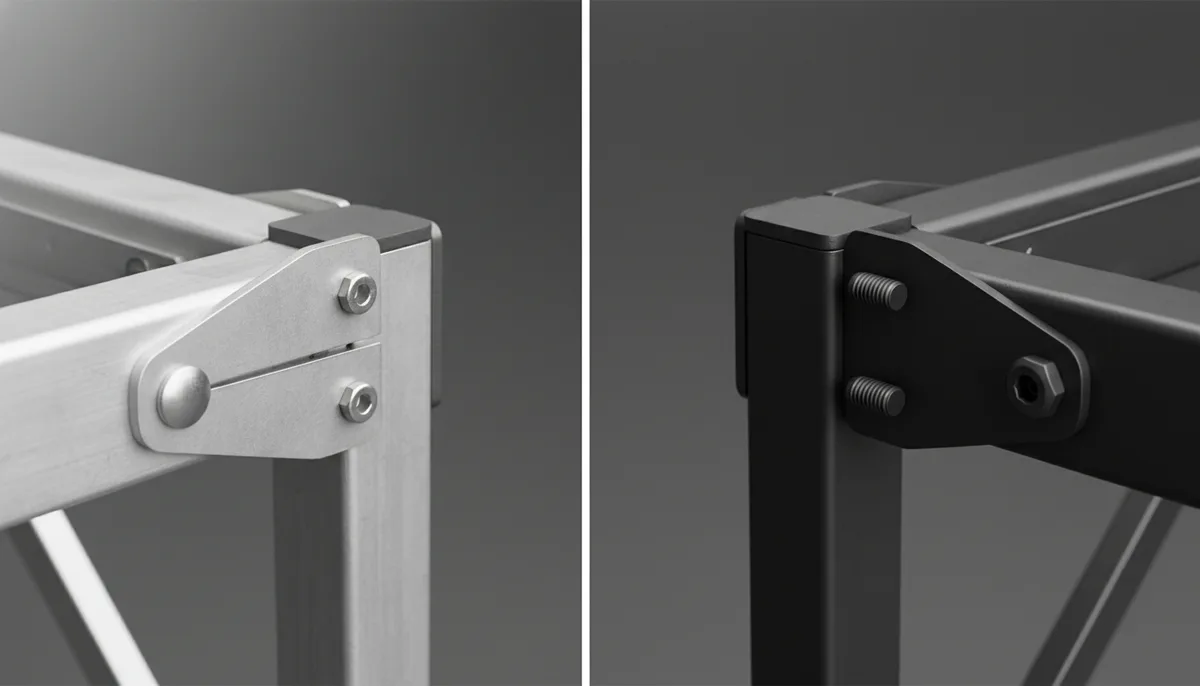
This distinction becomes critical when diversifying into wholesale cots and wholesale outdoor shelter products. The same principle applies: commercial cots need reinforced leg brackets and 600D+ fabric, not the thinner materials used in consumer camping gear. Sourcing these items together from a manufacturer with commercial expertise ensures consistency in durability.
Beyond Chairs: Integrating Wholesale Outdoor Shelter Products
Integrate wholesale outdoor shelter products like canopies and pop-up tents with your chair order to consolidate freight and simplify inventory. Look for distributors offering full kits — chairs, shelters, and cots — with a single PO and coordinated shipment, reducing per-unit freight costs by 15-25%.
Shelters are not a commodity. A common specification mistake is only checking the denier rating of the canopy fabric. The frame's steel tubing wall thickness (aim for 1.0mm minimum) and the connector design are more predictive of wind failure. In our experience, a canopy with a 500D top but a 0.7mm frame will fail long before one with a 300D top and a 1.2mm frame.
Evaluating a Commercial Grade Canopy Shade Distributor
When evaluating a commercial grade canopy shade distributor, ask for the frame's alloy designation (e.g., Q235 steel) and the powder-coat process. A quality commercial shelter will include features like truss-style roof frames, reinforced leg joints, and included anchor points. Bundling these with your wholesale folding chairs order isn't just convenient; it's a strategic move to create complete, ready-to-deploy event packages for your customers. A thorough wholesale outdoor shelter products comparison should weigh these structural specs against fabric denier.
Sleeping Bag Wholesale: Minimums, Materials, and Margin Analysis
Venturing into sleeping bag wholesale requires a different analysis than furniture. The primary decision is fill: synthetic (polyester) for cost and moisture resistance, or down for premium compactness. For most commercial applications — rentals, schools, disaster relief — synthetic is the pragmatic choice. Minimum order quantities (MOQs) typically start at 200 units for private label.
The temperature rating is your key specification. Don't just source 'summer' bags. Target a 40°F (4°C) comfort rating as your workhorse; it serves three-season use for most clients. The detail most get wrong is checking the fill power (for down) or fill weight (for synthetic). A 40°F synthetic bag should have a minimum of 1.5 lbs (680g) of cluster fiber fill. Anything less won't reliably hit its rating.
Production Data: Sleeping Bag Cost Breakdown (500 Unit MOQ)
| Component | Low-Cost Spec | Commercial-Grade Spec | Cost Impact |
|---|---|---|---|
| Shell Fabric | 190T Polyester | 210T Ripstop Polyester | +$1.80/unit |
| Lining Fabric | 190T Polyester | Brushed Tricot | +$2.20/unit |
| Fill Material | 1.2 lbs Hollow Fiber | 1.8 lbs Siliconized Cluster | +$3.50/unit |
| Zipper | #5 Coil | #8 Self-Repairing Coil | +$1.00/unit |
| Total Unit Cost | $11.50 | $19.00 | +$7.50/unit |
This is where a clear outdoor gear private label minimum order strategy is essential. Can you meet the 200-500 unit MOQ for bags, or is it better to source a smaller quantity of pre-branded bags from a wholesaler? The breakeven point often comes down to your annual volume. If you'll sell under 1,000 units yearly, the capital tied up in private label inventory may not justify the marginally higher per-unit profit.
Ready to Optimize Your Procurement Strategy?
Working with enterprise clients, we've handled over 500 projects and developed a streamlined vendor evaluation process. Let us help you apply this total cost framework to your specific inventory management needs. Contact our procurement specialists for a custom analysis.
Need samples or custom specs for your outdoor product line?
Request a Sample Kit →Canopy Shade Wholesale Distributor Selection Criteria
Selecting a canopy shade wholesale distributor requires moving beyond a simple catalog. You need a partner that understands the structural demands of commercial use. The first red flag is a distributor that cannot provide detailed material certificates or factory audit reports.
Use this decision framework when evaluating distributors:
Decision: Evaluating a Canopy Distributor
- If they cannot specify steel tubing wall thickness (must be ≥1.0mm) → Disqualify. This indicates a lack of technical sourcing knowledge.
- If they offer only carry bags without reinforced corners or wheels → Question commercial focus. Commercial users need durable transport solutions.
- If lead times are consistently under 4 weeks for custom orders → Verify inventory authenticity. True manufacturing lead times are 8-12 weeks; shorter times may indicate drop-shipping with no quality control.
Also, inquire about their packaging. Commercial shelters are heavy; corrugated boxes must be 200# test, double-walled, with adequate internal bracing. We've seen a 20% damage rate on arrival from distributors who use flimsy single-wall boxes. This hidden cost erodes any savings on the unit price.
Wholesale Cots: Specifications for Commercial Use Cases
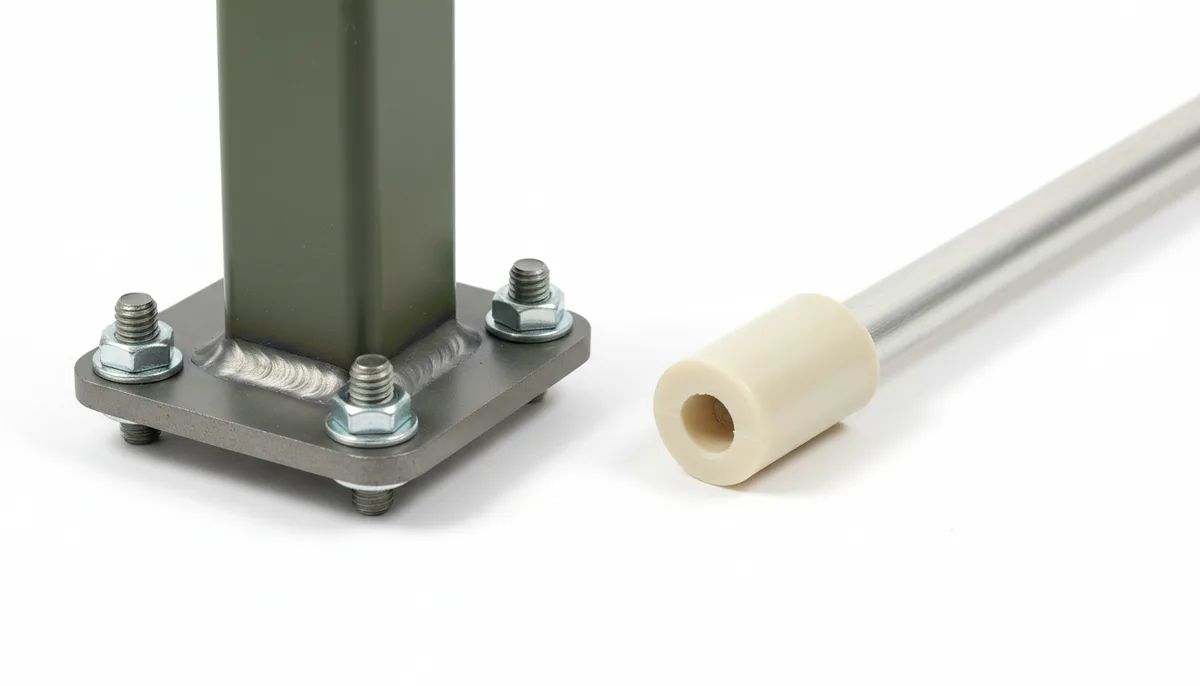
For wholesale cots, the use case dictates the spec. A summer camp cot has different requirements than a disaster relief cot. The universal commercial spec includes a 600D polyester fabric bed, powder-coated steel legs with reinforced end caps, and a weight capacity of 300 lbs.
In practice, the most common failure point is the leg attachment system. Avoid cots where the legs are simply pressed into plastic end caps; they will wobble and fail. Look for models where the steel leg is bolted or welded to a steel bracket. Another insider tip: the bed fabric should have a minimum of 8-10 straps (cross supports) running underneath to prevent sagging. Fewer straps mean a user will feel the crossbars, leading to discomfort and complaints.
Understanding Bulk Wholesale Cots Specifications
When sourcing wholesale cots alongside chairs and shelters, prioritize dimensional compatibility. A standard commercial cot folds to approximately 38" x 8" x 8". Will your planned storage and transport accommodate this? Consolidating products with similar pack sizes maximizes trailer and container utilization, a key component of the total cost framework. Clear bulk wholesale cots specifications should include folded dimensions, fabric denier, and hardware type.
"Our switch to a unified supplier for cots, chairs, and canopies cut our freight claims by 60%. One consistent packaging standard meant pallets were stable and arrived intact." — Procurement Director, Outdoor Education Nonprofit
Private Label Considerations: When Is It Not the Right Choice?
Navigating outdoor gear private label minimum order requirements is a balancing act between brand control and cash flow. MOQs exist for every component: for chairs, 500 units is common; for shelters, 100 units; for sleeping bags, 200 units. The strategic move is to find a supplier with a flexible program that allows you to mix SKUs to hit a total container MOQ (e.g., 1,500 total units of any combination).
A critical insight from our product manager, Chris Nakamura: "Branding is not just a logo. For camping chairs made in usa or imported, you must specify thread color for stitching, Pantone matches for fabric dyes, and the exact placement of care labels. These details add 2-3 weeks to lead time and can incur setup fees of $500-$1,500 per SKU."
When is private label not the right choice? If you're testing a new market or your annual volume per SKU is below 300 units. The setup costs and inventory risk outweigh the branding benefit. In these cases, consider a 'branded wholesale' model where you purchase pre-made goods with the supplier's label, then use removable branding like hangtags or sleeve labels for your market.
Total Cost Framework: Calculating ROI on Bulk Outdoor Furniture
The final price of a wholesale folding chair is just the beginning. The Total Cost of Ownership (TCO) framework must include five additive costs: 1) Unit Price, 2) Per-Unit Freight & Customs, 3) Inbound Damage Rate (target <2%), 4) Storage Cost per pallet per month, and 5) Replacement Rate over 36 months.
Let's apply this. A chair costs $20 FOB. Ocean freight adds $3. Customs and duties add $1. Damage on arrival at 2% adds $0.40. Storage at $15/pallet/month for 50 chairs per pallet adds $0.30/chair/month. If you hold inventory for 3 months, that's $0.90. If a residential-grade chair has a 20% annual failure rate versus 5% for commercial, the replacement cost over three years is significant. The commercial chair's higher upfront cost is justified.
How to Calculate Total Landed Cost: 5-Step Summary
- Step 1: Calculate FOB cost per unit from supplier quote.
- Step 2: Add per-unit freight (Ocean: $2-$5, Air: $8-$15) and estimated customs duty (typically 3-7% for outdoor furniture).
- Step 3: Apply a damage allowance (1-3%) based on supplier packaging history.
- Step 4: Add storage cost: (Monthly Pallet Rate / Units per Pallet) x Months in Storage.
- Step 5: Project replacement cost: (Unit Cost x Annual Failure Rate) x Years of Service.
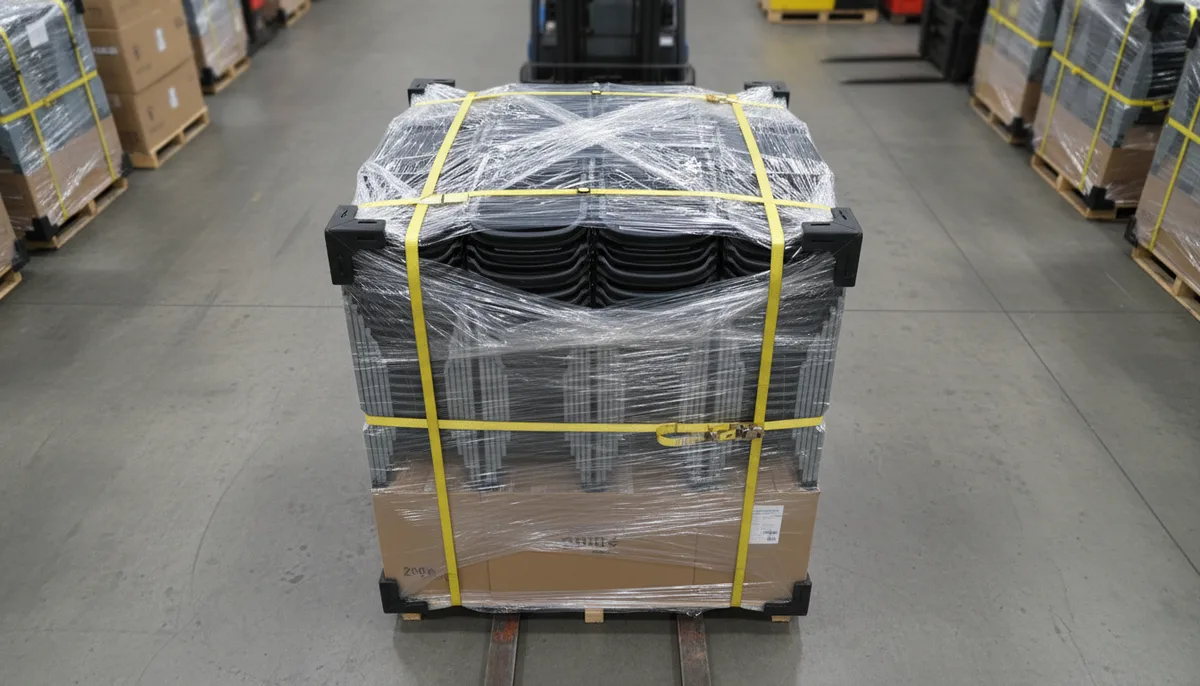
This framework reveals why sourcing from a canopy shade wholesale distributor who also supplies chairs and wholesale cots is so powerful. You consolidate freight into fewer containers, negotiate better per-container rates, and reduce the administrative cost of managing multiple suppliers. The ROI isn't just in product margin; it's in operational efficiency.
Your strategy for wholesale folding chairs should be the cornerstone of a broader, integrated outdoor gear program. By applying commercial specifications, understanding true costs, and leveraging consolidated sourcing, you build a resilient, profitable supply chain ready for 2026 and beyond. For a deeper dive into chair-specific frameworks, explore our guide on folding camping chair wholesale and total cost analysis.
Frequently Asked Questions
At what order volume does a commercial-grade steel folding chair become cheaper than an economy model?
The breakeven point is typically around 500 units. While a commercial-grade chair with a 1.2mm powder-coated steel frame and 600D fabric costs $18-$35, its sub-2% failure rate saves over 22% in total cost versus cheaper chairs failing within a single rental season, making it cheaper over 3 years at scale.
What is the most critical specification for a commercial canopy shade when evaluating a wholesale distributor?
Verify the steel tubing wall thickness is ≥1.0mm (ideally Q235 steel). This is more critical than fabric denier. A canopy with a 500D top but a 0.7mm frame will fail before one with a 300D top and a 1.2mm frame. Always request material certificates.
How do minimum order quantities for sleeping bag wholesale impact cash flow for a new product line?
Private label MOQs start at 200 units. For a commercial-grade 40°F synthetic bag with 1.8 lbs siliconized cluster fill and a #8 self-repairing zipper, unit cost is ~$19. If annual volume is under 1,000 units, the capital tied in inventory may not justify private label; consider branded wholesale instead.
What is the key hardware difference between residential and commercial-grade wholesale cots?
Commercial cots use bolted or welded steel leg brackets, not plastic press-fit caps. This prevents wobbling and failure. Also, insist on 8-10 fabric straps underneath a 600D polyester bed to prevent sagging and ensure the 300 lb weight capacity is reliable.