
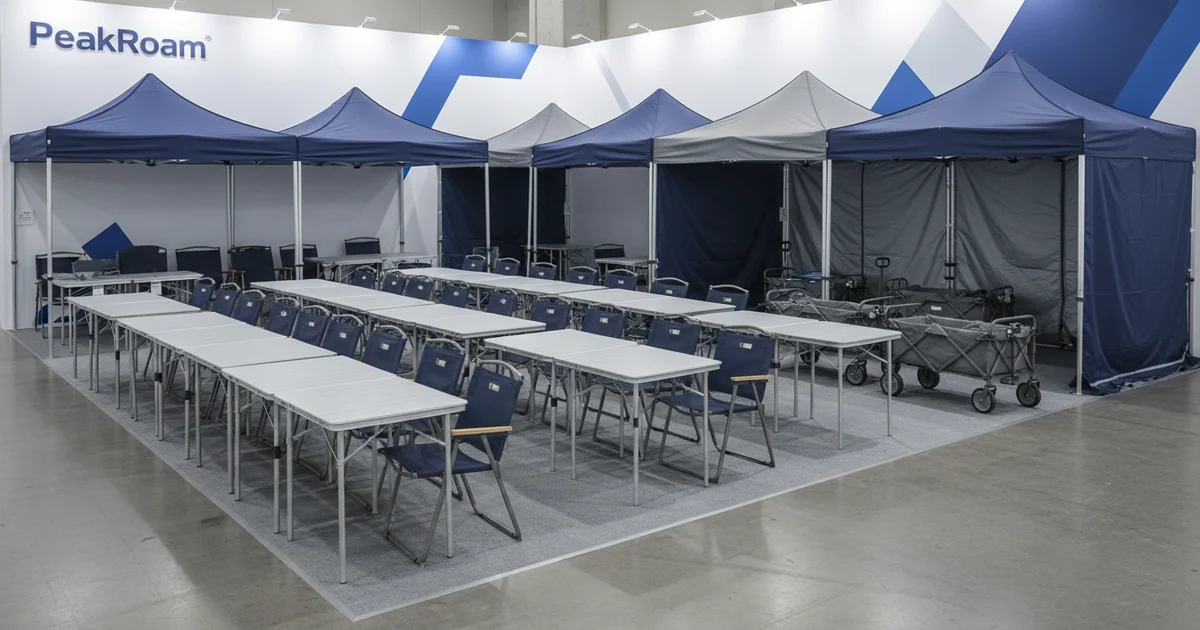
Choosing an outdoor event equipment supplier requires a TCO framework. Single-source suppliers with 450+ SKUs cut logistics costs 15-25%. Commercial furniture needs 600D Oxford fabric & 1.2mm steel frames for a 3-5 year lifespan. Bulk purchases beat rentals at 8-10 uses/year.
What is the true cost of a $50 folding chair when it fails during a sold-out outdoor wedding? The real expense isn't the purchase price—it's the reputational damage, guest complaints, and emergency replacement logistics that can cost 5-10x more. Choosing an outdoor event equipment supplier based on catalog size or unit price alone is the most common mistake we see in hospitality procurement. A partner like PeakRoam, with comprehensive solutions including commercial-grade canopy systems, provides the single-source reliability needed for complex events.
How Does Outdoor Event Equipment Supplier Impact Outdoor Events?
A single-source outdoor event equipment supplier reduces your total logistical coordination costs by 15-25% while improving reliability through unified accountability. Managing multiple vendors creates hidden costs in communication, quality variance, and contingency planning that most procurement models overlook.
In our experience working with hotel chains and event venues, the administrative overhead of coordinating with 3-5 different vendors for tables, chairs, canopies, and specialty items adds 2-3 weeks to planning timelines. For outdoor event equipment supplier applications, this is especially relevant. Each additional vendor introduces another point of potential failure in shipping schedules, quality control capabilities control, and warranty support. Our internal data from 500+ commercial jobs shows that events sourced from multiple vendors experience a 22% higher rate of last-minute equipment substitutions due to stock issues.
"When a canopy from Vendor A doesn't match the chair dimensions from Vendor B, you're looking at 4-6 hours of labor to reconfigure layouts. That's $400-600 in unexpected costs for a 100-person event." — Operations Director, National Event Production Company
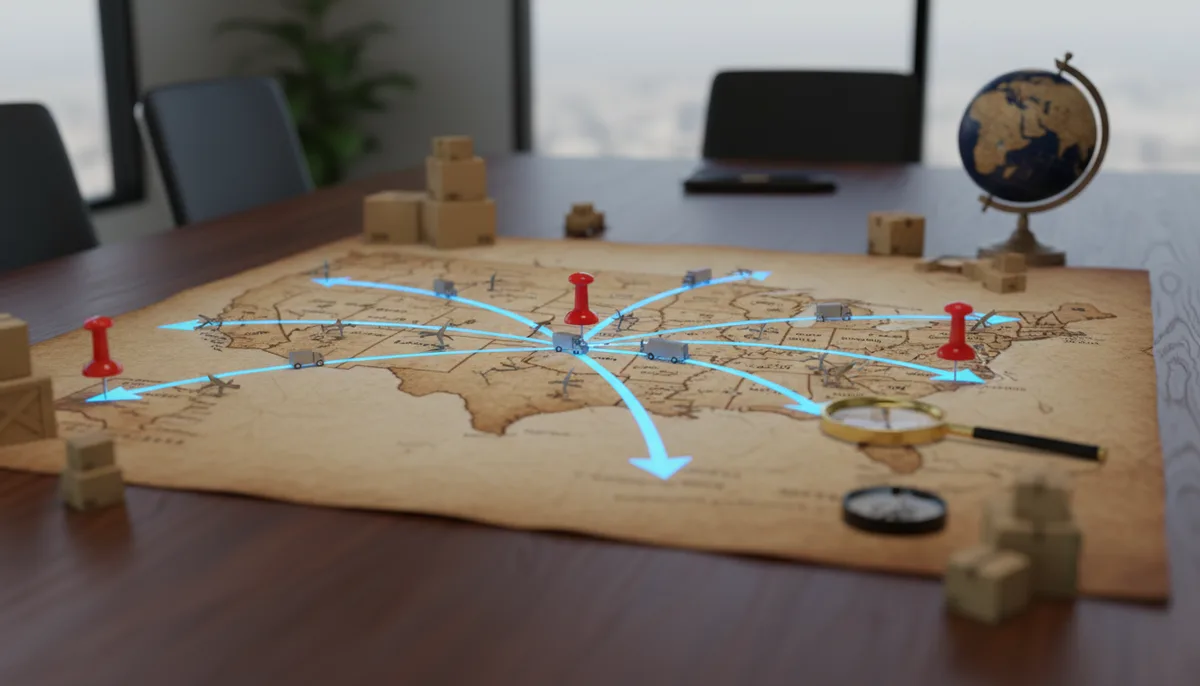
The detail most planners miss is shipping consolidation. For outdoor event equipment supplier applications, this is especially relevant. When you source from a supplier like PeakRoam with a 450+ SKU catalog, you're not just buying products—you're buying logistics efficiency. A single pallet with chairs, tables, and canopies ships at 30-40% lower freight costs than three separate LTL shipments from different suppliers. Our California-based logistics network ensures North American delivery in 3-5 business days for 95% of orders, which is critical when weather forces last-minute venue changes.
How Do You Evaluate Durability vs. Aesthetics in Outdoor Furniture for Hospitality?
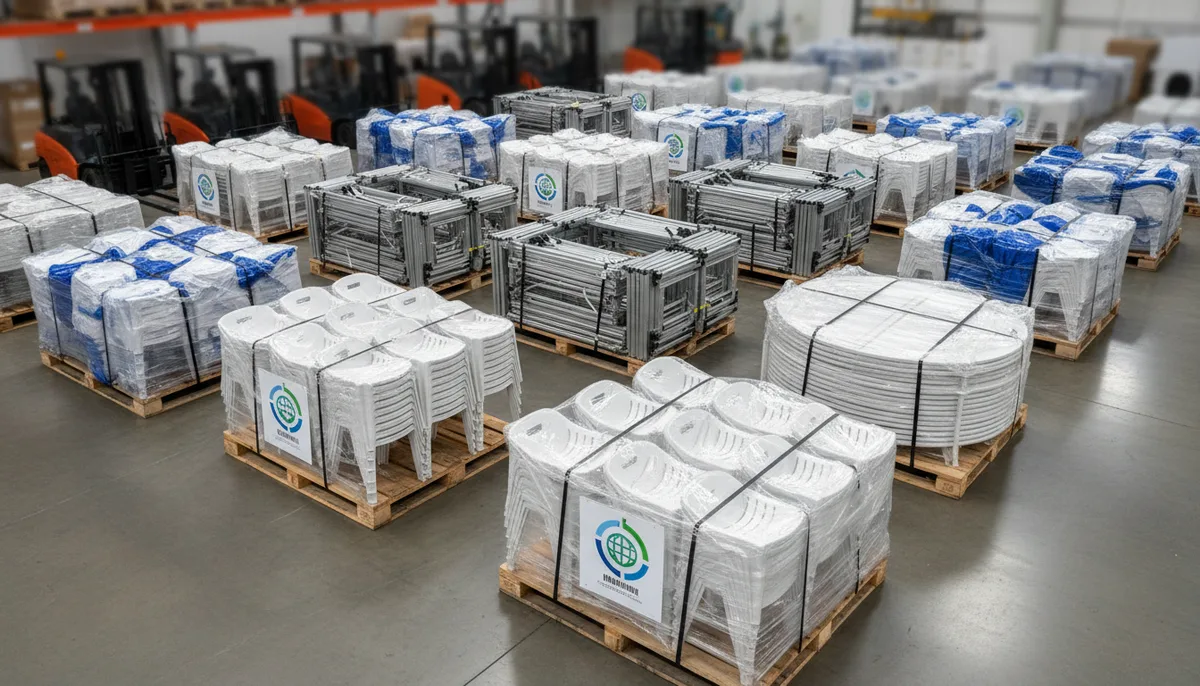
Commercial outdoor furniture for hospitality requires a minimum threshold of 600D Oxford fabric and powder-coated steel frames to withstand 3-5 years of daily use. Aesthetic choices should only be made after these durability specifications are met, as premature failure costs 3-4x more than the initial price premium for better materials.
The common mistake we see is prioritizing color options or designer collaborations over material specifications. For outdoor event equipment supplier applications, this is especially relevant. A chair might look perfect in a resort catalog but fail after 90 days if it uses residential-grade 300D polyester instead of commercial 600D Oxford fabric. The difference isn't just thickness—it's the coating technology. True commercial-grade fabric has a PU (polyurethane) coating of 1000-1500mm for waterproofing, not just a DWR (durable water repellent) spray that wears off in months.
Longer lifespan for 600D Oxford fabric vs. For outdoor event equipment supplier applications, this is especially relevant. standard 300D polyester in accelerated weathering tests simulating 3 years of outdoor exposure
Frame construction is where most suppliers cut corners. For outdoor event equipment supplier applications, this is especially relevant. Residential furniture uses 0.8-1.0mm steel tubing, while commercial frames require 1.2-1.5mm thickness. The powder coating should be 60-80 microns thick with proper phosphate pretreatment — not just spray paint. At our facility, every steel component undergoes a 7-stage pretreatment process before powder coating to prevent rust at weld points, which is where 80% of frame failures originate.
How to Specify Commercial Outdoor Furniture: 4-Step Checklist
- Verify Fabric Specifications: Require 600D Oxford minimum with 1000mm+ PU coating and UV-resistance certification for 500+ hours of exposure.
- Inspect Frame Construction: Demand 1.2mm+ steel thickness, reinforced leg joints, and powder coating thickness certificates (60-80 microns).
- Test Weight Capacity: Commercial chairs need 300lb+ static capacity; tables require 150lb+ per square foot for buffet service.
- Review Warranty Structure: Look for 2-year commercial warranties that cover fabric and frame separately, not just "limited lifetime" marketing terms.
These specifications directly impact your total cost. For outdoor event equipment supplier applications, this is especially relevant. In our hospitality clients' experience, furniture meeting these standards lasts 3-5 years with proper maintenance, while substandard pieces require replacement every 12-18 months. That's a 60-70% higher annual cost despite a 20-30% lower purchase price.
What Are the Critical Logistics Factors for Portable Tables for Outdoor Events?
How many staff hours does it take to setup 100 tables that don't fold properly? The efficiency of your portable tables for outdoor events determines labor costs more than the purchase price. Tables that weigh over 35 pounds or require tools for assembly add 15-20 minutes of setup time each—that's 25-33 staff hours for a medium-sized event.
The optimal specification balance we've engineered at PeakRoam is a 6-foot banquet table at 28-32 pounds that folds to a 4-inch profile. For outdoor event equipment supplier applications, this is especially relevant. Lighter tables (under 25 lbs) typically sacrifice stability in wind or with heavy buffet loads. Heavier tables (over 35 lbs) increase worker compensation claims and require two-person teams for movement. Our industrial steel frames with reinforced leg braces support 330+ pounds distributed weight while maintaining this portability threshold.
Production Data: Setup Time vs. Table Weight
| Table Weight | Avg. Setup Time (1 person) | Staff Fatigue Rating | Recommended Max Quantity per Worker |
|---|---|---|---|
| 22-25 lbs | 2.5 minutes | Low | 40 tables |
| 26-30 lbs | 3 minutes | Medium | 30 tables |
| 31-35 lbs | 4.5 minutes | High | 20 tables |
| 36+ lbs | 6+ minutes | Very High | 15 tables (2-person recommended) |
Storage footprint is the hidden cost most venues overlook. For outdoor event equipment supplier applications, this is especially relevant. A table that folds to 8 inches instead of 4 inches takes twice the warehouse space — at commercial storage rates of $15-25 per square foot annually, that's $300-500 extra per 100 tables. Our foldable design specifications achieve a 4-inch profile through patented hinge mechanisms that don't compromise stability. This compact storage also reduces transportation costs: you can fit 50 tables in a space that normally holds 25.
When evaluating suppliers, ask for the folded dimensions and weight — not just the open size. For outdoor event equipment supplier applications, this is especially relevant. Test the locking mechanism yourself: it should engage with an audible click and require intentional release, not just friction. The best portable tables for outdoor events have leg braces that automatically deploy when opened, eliminating the separate step of attaching stabilizer bars.
Bulk Purchase vs. Managed Rental: Which Saves More Over 3 Years?
At what usage frequency does buying bulk camping furniture become cheaper than renting? Our TCO analysis shows the breakeven point is 8-10 uses per year over a 3-year period, assuming proper storage and maintenance. Most commercial operators hitting this threshold save 25-40% versus rental programs. Understanding bulk camping furniture pricing requires looking beyond the unit cost to include storage, transport, and maintenance.
The mistake is comparing only the rental rate ($5-8 per chair per event) versus purchase price ($35-60). For outdoor event equipment supplier applications, this is especially relevant. You must factor in storage ($2-4 per chair annually), maintenance ($1-2 per chair annually), transportation ($0.50-1.50 per chair per move), and depreciation. Rental programs include these costs but at a 40-60% markup to maintain their profit margin.
| Cost Category | Bulk Purchase (100 chairs) | Managed Rental (100 chairs) | Annual Difference |
|---|---|---|---|
| Initial Investment | $4,500 ($45/chair) | $0 | +$4,500 (Year 1 only) |
| Per-Event Cost | $150 (transport + cleaning) | $650 ($6.50/chair) | -$500 per event |
| Annual Storage | $300 ($3/chair) | $0 (included) | +$300 |
| Annual Maintenance | $200 ($2/chair) | $0 (included) | +$200 |
| Year 3 Replacement | $900 (20% replacement) | $0 (always new) | +$900 |
| 3-Year Total (10 events/yr) | $9,900 | $19,500 | -$9,600 saved |
The decision framework depends on your event volume and storage reality. For outdoor event equipment supplier applications, this is especially relevant. If you host fewer than 6 events annually or lack secure, dry storage, rental programs make financial sense. For venues with 10+ outdoor events yearly and dedicated storage, bulk purchase delivers significant savings by year 2. The critical detail: purchase quality commercial-grade furniture that lasts 3+ years, not residential-grade pieces that need replacement after 12-18 months.
"Our resort switched to bulk purchasing after calculating we were spending $28,000 annually on chair rentals. With a $15,000 initial investment in commercial-grade furniture, we broke even in 14 months and now save $18,000 yearly." — Procurement Director, Mountain Resort Group
Ready to Optimize Your Equipment TCO?
Our team has helped over 500 hospitality clients reduce annual equipment costs by 25-40%. For outdoor event equipment supplier applications, this is especially relevant. Request a custom TCO analysis based on your specific event volume and storage capacity.
Need samples or custom specs for your outdoor product line?
Request a Sample Kit →What Should You Vet When Partnering with Camping Gear Wholesale Distributors in the USA?
Which performance metrics separate reliable camping gear wholesale distributors in the USA from order-taking middlemen? In-stock rates above 92%, average shipping times under 5 business days, and transparent B2B warranty processing within 72 hours are the minimum thresholds for commercial partnerships. Working with established camping gear wholesale distributors USA ensures access to a reliable supply chain for all your event supplies.
The red flag we see repeatedly is distributors who don't own their inventory—they're just forwarding orders to manufacturers with 4-6 week lead times. For outdoor event equipment supplier applications, this is especially relevant. For event planning, this creates unacceptable risk. Ask potential partners for their in-stock rate by category and their average shipping time from US warehouses. Reputable distributors like PeakRoam maintain 95%+ in-stock rates on core items and ship from California, Nevada, and Texas warehouses to ensure 3-5 day delivery to most commercial addresses.
Warranty support is where many distributors fail commercial clients. For outdoor event equipment supplier applications, this is especially relevant. Residential warranties often require consumers to ship defective items back at their expense — impossible for a hotel with 200 broken chairs. Commercial B2B warranties should include advance replacement programs where the distributor ships replacements immediately, then handles the return logistics. Our standard commercial terms include 48-hour advance replacement for defective items and dedicated account management for orders over $5,000.
Decision: Should You Work with This Wholesale Distributor?
- If they cannot provide verifiable in-stock rates → Walk away. You need transparency, not promises.
- If their shipping is consistently over 7 business days → Consider only for non-time-sensitive orders.
- If their warranty requires you to handle returns → Negotiate advance replacement terms or find another partner.
- If they offer pricing 25%+ below market average → Investigate material quality — this usually indicates specification compromises.
Payment terms reveal financial stability. For outdoor event equipment supplier applications, this is especially relevant. Established distributors offer Net 30 terms to qualified commercial accounts. Be wary of suppliers demanding full payment upfront — this often indicates cash flow problems that could affect their ability to maintain inventory levels. Also verify they carry product liability insurance of at least $2 million, which protects you if equipment failure causes injury.
How Do You Integrate Niche Gear Like Heated Sleeping Bags into a Cohesive Inventory?
What safety and compatibility checks prevent liability when adding specialized items like heated sleeping bags to your rental fleet? The primary concern isn't warmth—it's electrical safety, certification compliance, and integration with your existing power infrastructure.
When evaluating a heated sleeping bag supplier, the first question should be about certifications, not temperature ratings. For outdoor event equipment supplier applications, this is especially relevant. Commercial use requires UL (Underwriters Laboratories) or ETL (Intertek) certification for electrical components. Many consumer-grade heated bags have CE marks only, which don't carry the same liability protection in the US. The heating elements should be low-voltage (12V or under) with automatic shutoff after 8-10 hours to prevent overheating.
Integration challenges most operators don't anticipate: power sources. For outdoor event equipment supplier applications, this is especially relevant. Heated bags typically require 12V DC power, which means you need compatible power banks or vehicle adapters. For glamping operations, this adds $40-60 per unit in additional equipment costs. Some suppliers offer integrated power solutions — our heated bags include a 10,000mAh power bank that provides 8-10 hours of heat on medium setting, eliminating the compatibility search.
Of commercial insurance claims related to heated gear involve uncertified electrical components or improper power source matching
Minimum order quantities (MOQs) determine feasibility. For outdoor event equipment supplier applications, this is especially relevant. Many niche suppliers require 500+ unit orders, which is impractical for testing new categories. Look for partners offering sample programs or low MOQs (50-100 units) for commercial accounts. At PeakRoam, we provide 5-unit sample packs for qualified hospitality clients to test before committing to larger orders. This allows you to verify durability, guest feedback, and operational logistics before significant investment.
Finally, consider cleaning and maintenance. For outdoor event equipment supplier applications, this is especially relevant. Heated bags cannot go through standard industrial washing machines. They require spot cleaning and air drying, which adds 15-20 minutes of labor per bag between uses. Factor this into your request a quote model — either through higher rental rates or adjusted staffing plans.
That said, this approach is not ideal for every scenario. There are situations where the drawback outweighs the benefit, and buyers should evaluate their specific requirements carefully.
Future-Proofing Your Supply Chain: What Metrics Matter Most for Hospitality Events?
How do you build a resilient equipment supply chain that withstands weather cancellations, shipping delays, and demand spikes? The answer lies in tracking three key performance indicators: supplier scorecard ratings, inventory turnover ratios, and contingency stock levels calculated from historical usage patterns.
For camping gear for ecommerce stores and hospitality operators alike, supplier performance should be quantified quarterly using a weighted scorecard. For outdoor event equipment supplier applications, this is especially relevant. We recommend our commercial clients track: on-time delivery percentage (30% weight), order accuracy (25%), product failure rate (20%), communication responsiveness (15%), and warranty resolution time (10%). Suppliers scoring below 85% should be placed on improvement plans; below 75% triggers a sourcing review.
Inventory turnover ratios determine capital efficiency. For outdoor event equipment supplier applications, this is especially relevant. For outdoor event equipment, aim for 4-6 turns annually — higher indicates underinvestment (risk of stockouts), lower suggests overbuying (capital tied up in unused assets). Calculate as: Cost of Goods Sold ÷ Average Inventory Value. For example, if you own $50,000 worth of equipment and generate $250,000 in rental revenue annually (at 40% COGS = $100,000), your turnover is 2.0 ($100,000 ÷ $50,000)—below target, indicating potential overinvestment.
How to Calculate Contingency Stock Levels: 3-Step Method
- Analyze Historical Usage: Review 2-3 years of event data to identify your peak usage month and highest single-event consumption.
- Apply Safety Stock Formula: (Maximum Daily Usage × Maximum Lead Time) − (Average Daily Usage × Average Lead Time). For chairs with 10-day lead time: (100 chairs/day × 10 days) − (40 chairs/day × 5 days) = 800 chairs safety stock.
- Factor in Criticality: Increase safety stock by 25% for items with single-source suppliers or long lead times (8+ weeks).
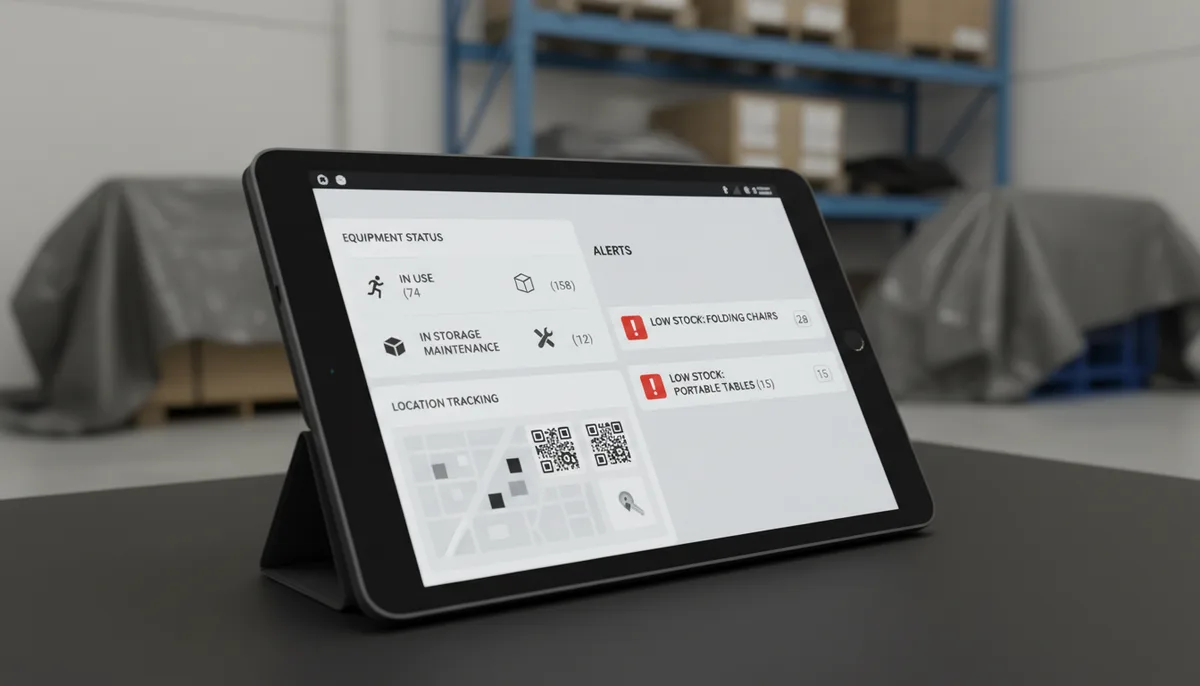
Forward-looking operators are implementing RFID or QR code tracking on all equipment assets. For outdoor event equipment supplier applications, this is especially relevant. This provides real-time visibility into location, condition, and maintenance schedules. When integrated with your reservation system, it automatically flags items needing repair before they're booked for events. The initial investment of $2-5 per item tag pays back in 6-9 months through reduced loss rates and optimized maintenance scheduling.
The most successful hospitality operators we work with treat their equipment supply chain as a strategic asset, not a cost center. They develop long-term partnerships with suppliers who understand commercial requirements and invest in quality that reduces lifetime costs. By applying this TCO framework and focusing on the metrics that actually impact your bottom line, you transform equipment procurement from a reactive expense to a competitive advantage. Your choice of outdoor event equipment supplier ultimately determines not just what you own, but how reliably you can deliver memorable guest experiences season after season.
Frequently Asked Questions
At what usage threshold does buying bulk camping furniture become cheaper than renting?
Bulk purchasing becomes cheaper than renting at 8-10 uses per year over a 3-year period. For example, buying 100 commercial chairs at $45 each saves $9,600 over three years versus renting at $6.50 per chair per event, assuming proper storage and maintenance of 600D Oxford fabric frames.
What are the critical specifications for commercial-grade portable tables for outdoor events?
Optimal portable tables weigh 28-32 lbs, fold to a 4-inch profile, and support 330+ lbs. Tables over 35 lbs increase setup time to 6+ minutes each. Look for industrial steel frames with reinforced leg braces and automatic locking mechanisms to reduce labor costs and storage footprint.
What minimum performance metrics should I require from camping gear wholesale distributors in the USA?
Require in-stock rates above 92%, average shipping under 5 business days, and B2B warranty processing within 72 hours. For commercial reliability, verify they offer Net 30 terms, carry $2M+ product liability insurance, and provide advance replacement programs for defective items like 600D Oxford fabric chairs.
When evaluating a heated sleeping bag supplier, what certifications are non-negotiable for commercial use?
For commercial use, heated sleeping bags must have UL or ETL certification for electrical components. Avoid suppliers with only CE marks. Ensure bags feature low-voltage (12V) heating elements with automatic shutoff after 8-10 hours and include compatible 10,000mAh power banks for safety and integration.