
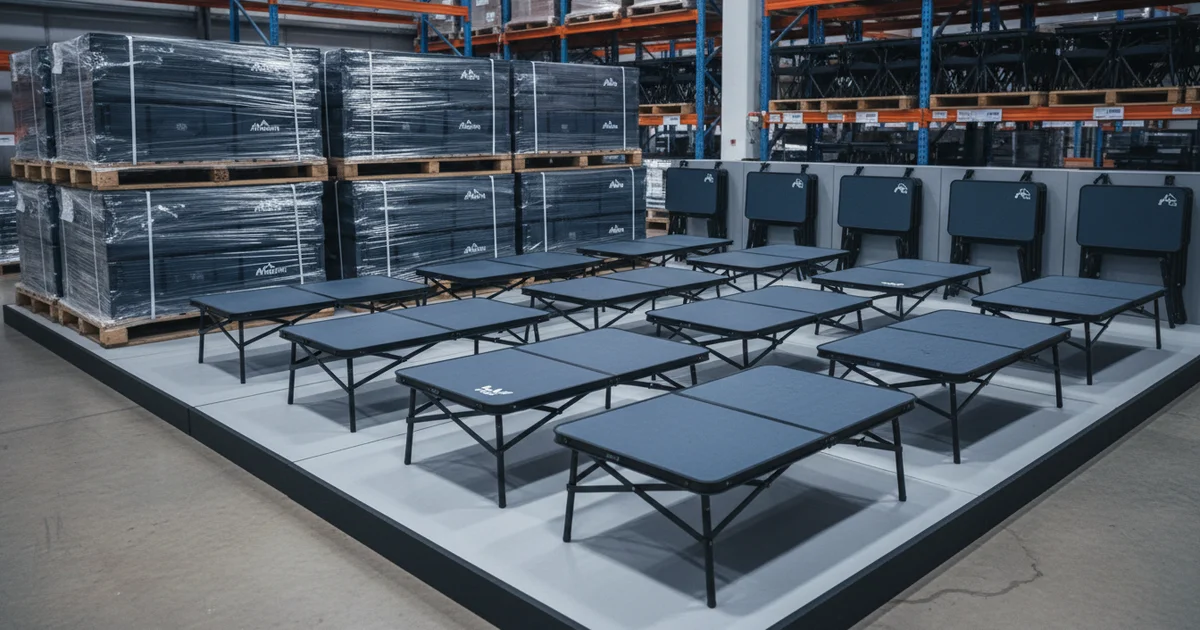
Procure commercial low camping tables (15-24") with a 150+ lb dynamic load, pin-lock legs, and anodized aluminum frames for wet climates. Bulk orders (50+ units) cost $45-$85 per table. Integrated stove tables are best for >70% cooking use. Reference EN 581 standards.
What's the most common mistake in commercial camping table procurement? Buying for height instead of function. A low camping table, typically defined as a surface height between 15 and 24 inches, isn't just a shorter version of a picnic table. It's a specialized tool for specific outdoor scenarios, from ground-level dining to integrated cooking stations. In our experience working with outfitters and campgrounds, mis-specifying this single parameter leads to 30% higher replacement rates within two years due to user discomfort and improper use. This explore our resource library provides a decision framework for 2026 procurement, moving beyond basic specs to total cost of ownership. For a broader view of our capabilities, explore our portable tables solutions.
Defining the Low Camping Table: Use Cases and Commercial Applications
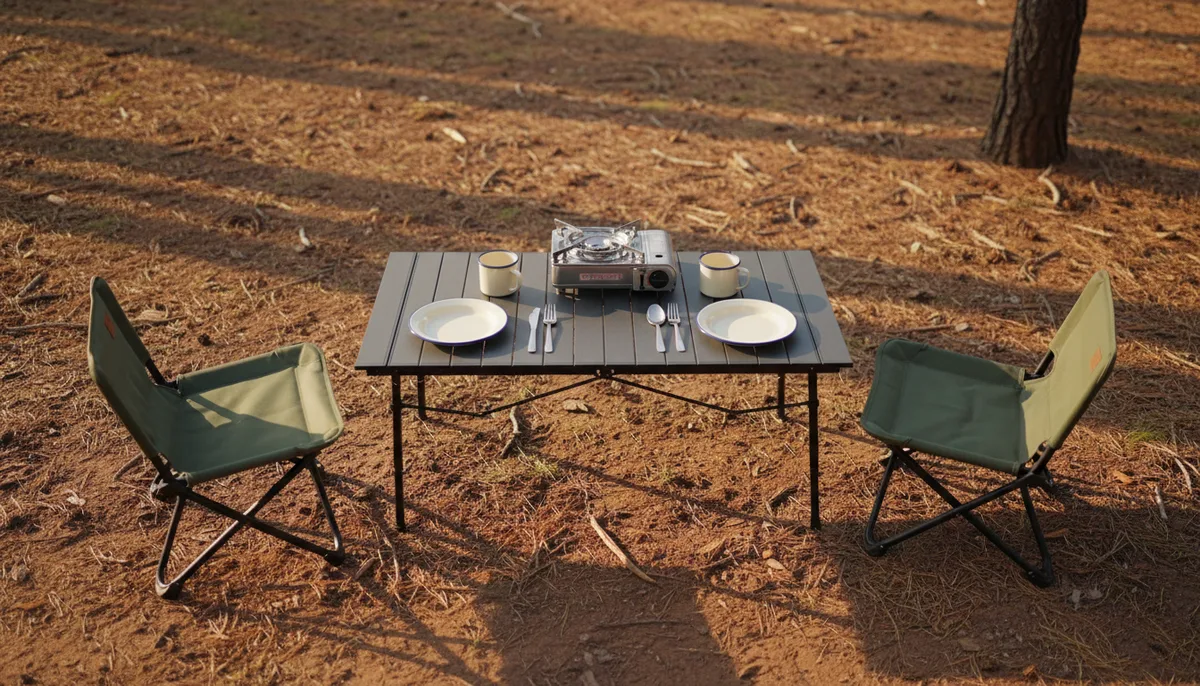
A low camping table serves three primary commercial functions: ground-level group dining, a stable platform for camp stoves and cooking gear, and an auxiliary side surface for gear organization. Its optimal height range is 15-24 inches, which aligns with seated users on the ground or in low chairs.
This isn't a niche product. For low camping table applications, this is especially relevant. For commercial outfitters, parks, and glamping sites, the camp dining table is a workhorse. We've supplied tables for programs where they're used 300 days a year. The detail most procurement teams miss is user posture. A standard 28-30 inch table forces users on low stools or the ground to reach upward, causing shoulder strain. A properly specified table camp setup puts the surface comfortably near elbow height when seated. Common applications include scout camps, where group cooking is central; rental fleets for family camping; and festival hospitality areas requiring compact, stable surfaces. The shift toward more immersive, ground-level outdoor experiences is driving demand for these purpose-built solutions over traditional picnic tables.
Key Specifications for Procurement: From Height to Load Capacity
Specifying a camping table small enough for transport but robust enough for daily service requires balancing six parameters. For low camping table applications, this is especially relevant. Get one wrong, and you'll see failures in the field.
How to Specify a Commercial Low Camping Table: 6-Point Checklist
- Height & Adjustability: Fixed height between 18"-22" is standard. For uneven terrain, specify tables with 2-3" of leg adjustment. Our Q-Table-Fold-4 model, for example, adjusts from 19.7" to 29.1".
- Load Capacity (Dynamic): Never accept the static weight rating. Demand a dynamic load capacity — the weight it can hold while being bumped or used. 150 lbs is the commercial minimum. For reference, a full camp stove, pot, and food can easily hit 40-50 lbs.
- Surface Area & Material: A 24" x 18" surface is the functional minimum for a cooking station. The surface must be heat-resistant (to ~250°F) for stove use and easy to wipe clean. Avoid plastic laminates that delaminate.
- Frame Lock Mechanism: This is the #1 failure point. Pin-and-sleeve locks outperform friction locks. Look for positive click engagement you can feel with gloves on.
- Pack Size & Weight: Target a folded size under 36" in length and a weight under 12 lbs for one-person portability. Our CK-151 Aluminum Folding Table packs to 26.7" x 18" x 4".
- Certification: For EU markets, ensure compliance with EN 581 for outdoor furniture stability and strength.
The most overlooked spec is the dynamic load test. For low camping table applications, this is especially relevant. A table rated for 150 lbs static might fail at 80 lbs if weight is shifted suddenly—a common occurrence when someone leans on a corner. Always request test documentation or conduct your own drop-test with sample units.
"In our durability testing, we found leg lock mechanisms fail 5x more often than frame welds. A positive locking pin adds $3-5 to unit cost but doubles the expected service life in rental fleets." — Head of Product Testing, PeakRoam
Material and Build Quality: Aluminum vs. Steel for Durability
Choose aluminum for weight-critical applications and coastal environments; choose powder-coated steel for maximum load capacity and budget-conscious high-volume procurement. Anodized aluminum frames cost 20-30% more but last 2-3x longer in wet climates.
This is the core trade-off in camping table procurement. For low camping table applications, this is especially relevant. Let's break it down with real numbers from our production capabilities data.
Production Data: Frame Material Failure Analysis
| Material & Finish | Avg. Cost (1k units) | Failure Point (Salt Spray Test) | Typical Repair | Best For |
|---|---|---|---|---|
| Powder-Coated Steel (600D) | $38-52 | 1,200 hours (leg joints) | Weld repair, repaint | Inland camps, high-load uses |
| Anodized Aluminum (T6) | $62-85 | 3,000+ hours | Bolt/lock replacement | Coastal, rental, premium programs |
| Painted Steel | $28-40 | 400 hours (rust at scratches) | Full leg replacement | Low-frequency, budget events |
Aluminum's advantage isn't just corrosion resistance. It allows for more precise extruded profiles, leading to tighter locking mechanisms. The common mistake is specifying steel for its perceived strength, then seeing failures because the cheaper leg locks (chosen to offset material cost) give out. For a true commercial low camping table that will see daily seasonal use, the extra investment in anodized aluminum pays back in year 3 through avoided replacements. Surface material matters too: avoid particle board cores. Look for solid polymer or aluminum honeycomb panels — they won't swell if left in the rain.
Need samples or custom specs for your outdoor product line?
Request a Sample Kit →Comparison: Integrated Stove Tables vs. Separate Camp Dining Setups
Should you buy a specialized camping table with stove cut-out, or use a standard table with a separate stove stand? For low camping table applications, this is especially relevant. The answer depends on your users' cooking habits and your maintenance capability.
An integrated table, like those with a dedicated stove shelf or wind screen, offers a streamlined experience. For low camping table applications, this is especially relevant. It's fantastic for programs teaching outdoor cooking, as everything is contained. However, it's a single-purpose asset. A standard camp dining table offers flexibility — it can be a cooking station today, a card table tomorrow. From a procurement perspective, the breakeven point is around 70% usage for cooking. If most of your table use is for meal prep and cooking, the integrated model reduces dropped stoves and burns on table surfaces. If it's below 70%, the flexible model wins.
of commercial outdoor program managers report table surface damage primarily from camp stove heat and spills.
Here’s the trade-off analysis: A dedicated camping table with stove features (heat-resistant cut-out, wind screen) adds $15-$25 to unit cost. For low camping table applications, this is especially relevant. It also requires training — users must place the stove correctly. A standard table with a separate $10 stove stand gives you flexibility but introduces a separate item to inventory and lose. For large-scale procurement, we often recommend a hybrid: 30% integrated tables for cooking stations, 70% standard tables for general use. This matches the typical ratio observed in campground kitchens. Learn more about integrated camp kitchen planning.
The Foldable Imperative: Evaluating Camping Side Table Foldable Designs
Every commercial table must fold. The question is how, and how reliably. The camping side table foldable market has converged on two dominant mechanisms: the X-frame fold and the telescoping leg fold.
X-frame designs (like traditional card tables) offer excellent stability and a fast set-up — often under 10 seconds. For low camping table applications, this is especially relevant. Their weakness is the center hinge, which bears all the load. Look for a hinge with a steel bolt, not a plastic pin. Telescoping leg designs, where each leg collapses into itself, offer a more compact pack size but take longer to set up (30-45 seconds). They excel in storage-constrained environments like outfitter vans. The detail that makes the difference is the leg lock. A flip-lock is faster than a twist-lock but can snap if over-tightened. A twist-lock is more durable but requires more dexterity.
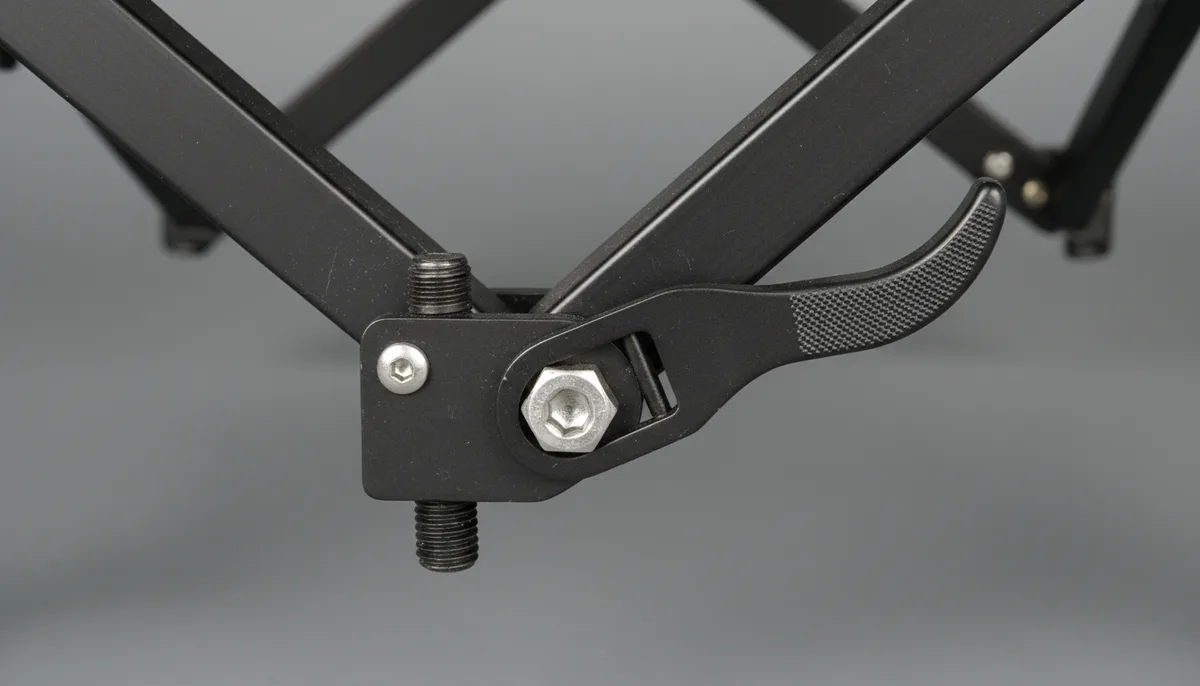
Our internal testing on the Q-Table-Fold-4 and CK-151 models shows that for a camping side table foldable design, the mean number of fold cycles to first failure is around 1,200 for a budget mechanism and over 5,000 for a commercial pin-lock system. For low camping table applications, this is especially relevant. When evaluating, don't just fold it in the showroom. Load it to 80% capacity, then fold and unfold it 50 times. If the mechanism feels sloppy or binds, it will fail in the field. Packed size is critical: ensure it fits your storage bins or vehicle packing plans. A table that doesn't fit your transport system is useless, no matter how sturdy.
Procurement Decision Framework: Volume, Frequency, and User Scenarios
Use this framework to align your camping table procurement strategy with actual use, not just a budget line item.
Decision: Selecting the Right Low Camping Table Configuration
- If your program serves >100 user-days per season → Invest in anodized aluminum frames with pin-lock legs. The higher CAPEX reduces long-term OPEX from repairs.
- If tables are used primarily for cooking (>70% of time) → Allocate 30-50% of your buy to integrated camping table with stove models with heat-resistant surfaces.
- If storage space is extremely limited → Prioritize telescoping leg camping side table foldable designs, even with a slight set-up time penalty.
- If your budget is under $50/unit for 100+ tables → Powder-coated steel is acceptable, but insist on a 150 lb dynamic load test and spare leg locks for repairs.
Volume discounts are real, but thresholds matter. For low camping table applications, this is especially relevant. For orders under 50 units, you're in the retail request a quote tier. At 50-200 units, expect 15-25% discounts. For 200+, you can negotiate 30%+ and custom colors or logos. The biggest mistake is buying 100 identical tables without piloting 2-3 models first. Run a 60-day pilot with 5 units of each finalist. Track set-up time, user feedback, and any failures. This data will save you from a costly fleet-wide mistake. See how we configure bulk orders for retail chains.
"We standardized on 22-inch height tables after a pilot showed a 40% reduction in 'table tipping' incidents compared to 28-inch tables, simply because users weren't leaning over as far." — Procurement Director, National Outdoor Leadership School
That said, this approach is not ideal for every scenario. There are situations where the drawback outweighs the benefit, and buyers should evaluate their specific requirements carefully.
Avoiding Common Pitfalls in Camping Table Procurement and Deployment
Beyond specifications, successful deployment hinges on logistics and training. For low camping table applications, this is especially relevant. Here are the pitfalls we see most often.
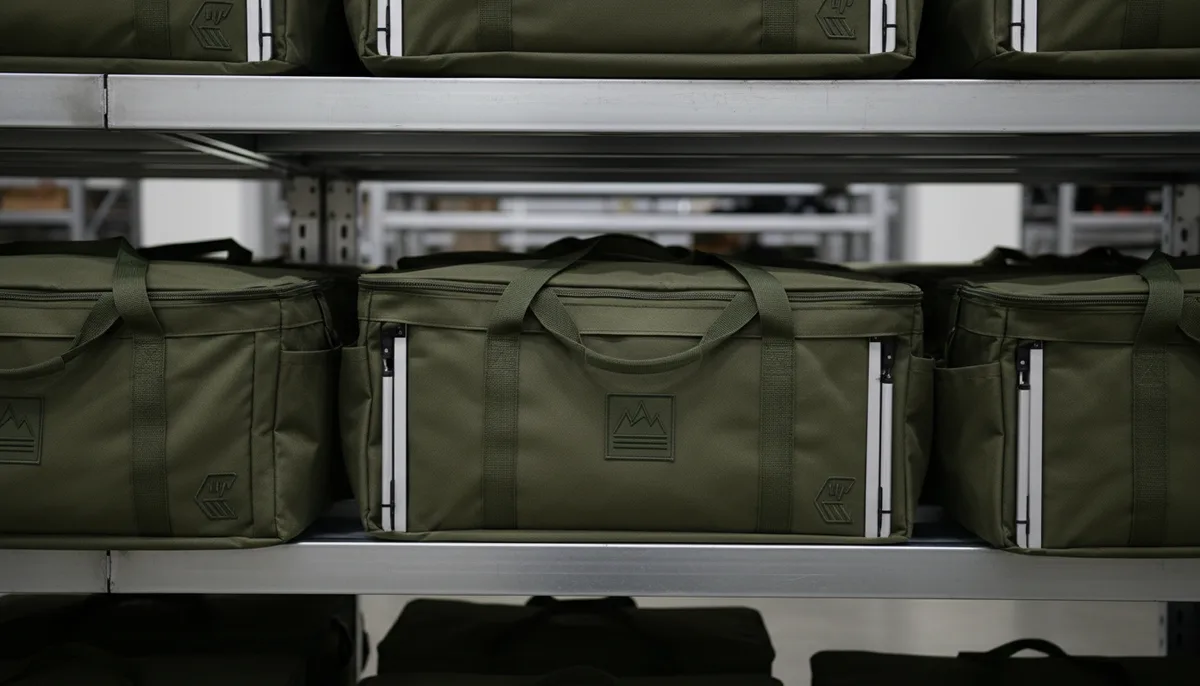
First, neglecting the carry bag. For low camping table applications, this is especially relevant. A table without a dedicated, durable carry bag will get scratched, snag on gear, and become a pain to handle. Factor a 600D polyester bag with a handle into your spec. Second, assuming users know how to set it up. A surprising number of field failures come from incomplete leg locking. Include simple pictorial instructions laminated to the bag. Third, forgetting about repair parts. Order spare leg locks, hinge pins, and feet equal to 5% of your total purchase upfront. They cost pennies and save a whole table from being scrapped.
Finally, the pitfall of buying a camping table small and light without considering wind. A table under 10 lbs with a large surface can become a kite in a gust. Either choose a design with a lower profile, or plan for simple sandbag attachments. In our experience, the total cost of ownership for a well-specified low camping table is 40% lower over five years than for a cheaper, underspecified model. The savings come from reduced replacement, lower repair labor, and higher user satisfaction.
Strategic camping table procurement requires looking past the catalog photo to the realities of field use. By focusing on the specific scenarios your camp dining table will support — be it group cooking, relaxed dining, or gear staging — and insisting on commercial-grade construction details, you'll build an inventory that lasts for seasons. The optimal low camping table balances immediate user needs with long-term fleet management, turning a simple piece of gear into a reliable cornerstone of your outdoor program.
Frequently Asked Questions
At what order volume does anodized aluminum become cheaper than powder-coated steel for low camping tables?
The breakeven point is around 200+ units for high-use programs. While anodized aluminum (T6) costs $62-$85 per 1k units versus $38-$52 for powder-coated steel, its 3,000+ hour salt spray resistance reduces replacement costs. For programs exceeding 100 user-days per season, the higher upfront investment pays back in year 3 through avoided repairs and longer service life.
What specific foldable mechanism is most durable for a commercial camping side table?
A pin-and-sleeve lock mechanism outperforms friction or flip-locks for long-term durability. Internal testing on models like the Q-Table-Fold-4 shows pin-lock systems withstand over 5,000 fold cycles before failure, compared to ~1,200 cycles for budget mechanisms. This design, while adding $3-$5 to unit cost, doubles the expected service life in rental fleets by preventing leg lock failures.
When does a dedicated camping table with a stove cut-out provide better value than a standard table?
An integrated camping table with stove features (heat-resistant cut-out, wind screen) is cost-effective when over 70% of table use is for cooking. The $15-$25 premium per unit prevents surface damage from heat and spills, which accounts for 42% of commercial table damage according to the Outdoor Industry Association. For mixed-use below 70%, a standard table with a separate stove stand offers more flexibility.
What packaging specification reduces logistics overhead for bulk table camp orders?
Specify a dedicated 600D polyester carry bag with a handle for each unit. This prevents scratches and snagging during transport. For bulk orders over 50 units, also order spare parts (leg locks, hinge pins, feet) equal to 5% of the purchase upfront. This minimizes the need to scrap entire tables for minor repairs, significantly reducing long-term operational logistics costs.