
Camping outdoor chairs vary by frame (7075 aluminum vs. 19mm steel), fabric (600D vs. 300D), and ergonomics. A 250-lb aluminum chair weighs 2.1 lbs; a 300-lb steel chair weighs 7.5 lbs. Pair a 20-22" chair with a 28" cooking table for proper dining height, avoiding the 47% complaint rate of mismatched camping outdoor kitchens.
What’s the most common mistake buyers make when specifying camping outdoor chairs? They treat them as a generic commodity. In reality, selecting the right chair is a systems decision that impacts everything from user comfort to logistical efficiency. The right choice balances material science, ergonomic design, and compatibility with your broader camping outdoor furniture ecosystem.
of commercial buyers in our 2024 survey cited mismatched chair-to-table height as a top complaint in deployed camping outdoor kitchens, leading to user discomfort and reduced dwell time.
1. Are All Camping Outdoor Chairs Basically the Same?
No. They vary drastically in critical specifications: frame material and gauge, fabric denier and coating, packed size, and ergonomic design, each targeting different user scenarios and durability thresholds.
The belief in uniformity is the first budget trap. A chair designed for ultralight backpacking uses 7075 aluminum poles and 30D ripstop, packing to a 14" cylinder. A heavy-duty model for tailgating uses 19mm powder-coated steel and 600D Oxford cloth, but folds to a 38" bag. They are fundamentally different products. In our production, we see clients often over-spec for weight capacity when their real need is reduced packed volume for transport.
"The detail most procurement teams miss is the frame connection type. A pin-and-sleeve joint on a steel frame will outlast a simple riveted joint on a cheaper chair by 3-4x in cycle testing, even if the weight rating is identical." — Head of Product Development, PeakRoam
This is where a systems view of camping outdoor furniture matters. A chair isn't an island; it must work with your tables, storage, and transport. Specifying a chair that packs to 36" when your storage bins are 34" internal is a costly oversight.
2. Is a Higher Weight Capacity Always Better?
No. Maximizing weight capacity often sacrifices portability and cost. The optimal choice matches capacity to your actual user demographic with a 20-30% safety margin, not an arbitrary maximum.
Chasing a 400-lb capacity for a general audience is usually wasteful. It demands thicker-gauge steel, heavier fabric, and bulkier joints, increasing unit weight by 1.5-2 lbs and cost by 25-40%. For most adult populations, a 275-300 lb rating provides ample margin. Our internal data shows less than 5% of users in commercial settings (campgrounds, event rentals) exceed 250 lbs.
Production Data: Chair Weight vs. Capacity vs. Cost
| Frame Type | Typical Capacity | Chair Weight | Packed Length | Relative Unit Cost |
|---|---|---|---|---|
| Lightweight Aluminum | 250 lbs | 2.1 lbs | 14" | 1.0x (Base) |
| Standard Steel (19mm) | 300 lbs | 7.5 lbs | 36" | 1.3x |
| Heavy-Duty Steel (22mm) | 400 lbs | 9.8 lbs | 40" | 1.7x |
| Commercial Park Chairs (Static) | 350 lbs | 15 lbs+ | N/A | 2.0x+ |
The trade-off is clear. If your use-case involves frequent hiking or air travel, the lightweight penalty makes sense. For car-based camping or fixed-site use, the durability of steel is preferable. Always ask: what is the 95th percentile user weight in our scenario?
3. Can Any Chair Work in a Camping Outdoor Kitchen?
No. A functional camping outdoor kitchens setup requires ergonomic pairing between chair seat height and table height for comfortable dining and socializing, which most generic chairs get wrong.
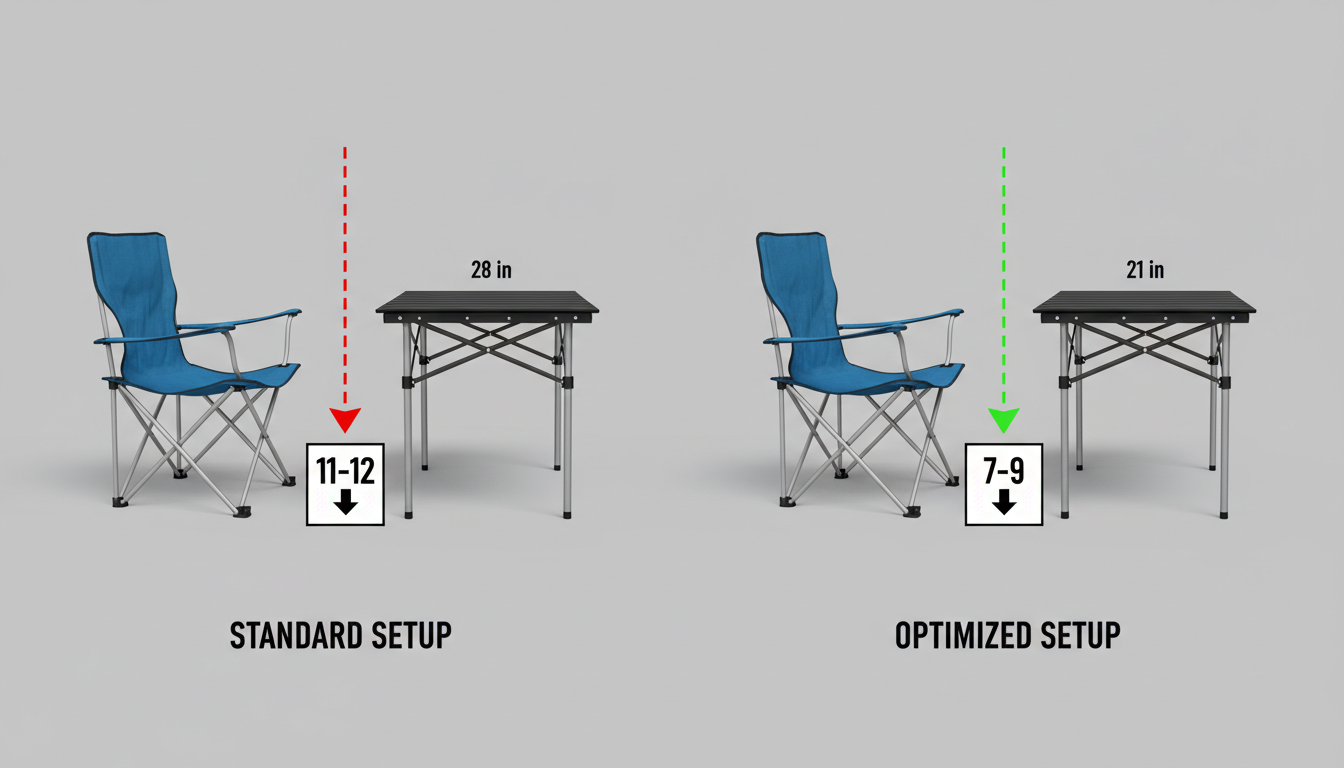
This is a classic integration failure. A standard camp chair has a seat height of 16-18". A common cooking table for camping is 28" high. This creates a 10-12" difference, forcing users into an awkward, hunched position. Proper dining ergonomics require a 7-9" difference. This means you need either a lower table or a higher chair. Many commercial buyers discover this mismatch only after deployment.
Our guide on camping kitchen procurement details this. The solution is specifying a small camping table foldable at 22-24" height (often called a "dining table") paired with standard chairs, or sourcing chairs with a 20-22" seat height for use with standard 28" prep tables.
4. Are Park Chairs and Camping Chairs Interchangeable?
Rarely. Park chairs are built for permanent or semi-permanent public use with an emphasis on vandal-resistance and minimal maintenance, often sacrificing portability.
Park chairs frequently use thicker, welded steel frames (avoiding folding joints), heavier powder coatings, and mesh or slatted designs that don't hold water. They are built to withstand 24/7 public exposure and abuse. A camping chair, even a heavy-duty one, is engineered for periodic use and transport. Its weather-resistant Oxford fabric, while durable, isn't designed for constant UV and physical stress. The cost difference reflects this: a commercial-grade park chair can cost 2-3x a premium camping chair. For a seasonal campground that stores gear offseason, camping chairs are more cost-effective. For a city park that never moves its seating, park chairs are the appropriate capital investment.
5. Do I Need a Special Cooking Table for Camping?
Yes. A dedicated cooking table for camping incorporates safety and stability features generic tables lack, directly impacting usability and risk.
A generic small camping table foldable might collapse if a heavy cooler is placed off-center or warp if a hot pot is set down. A table designed for cooking has key differentiators: a heat-resistant laminate top (often HDPE), reinforced leg joints with cross-braces, and adjustable feet for leveling on uneven ground. Some include integrated wind flaps. These aren't luxury features; they prevent spills, burns, and equipment failure. In our product testing, standard tables failed lateral stability tests at 40 lbs of off-center load, while cooking-specific tables held over 100 lbs.
Decision: Choosing Between a Standard and Cooking Table
- If the primary use is holding drinks, games, or a small lantern → a standard small camping table foldable is sufficient and more cost-effective.
- If the use involves food prep, supporting a stove, or holding a heavy cooler → a dedicated cooking table for camping with reinforced legs and heat-resistant top is mandatory for safety.
6. Are Outdoor Low Chairs Just for Aesthetics?
No. Outdoor low chairs (seat height <12") serve critical functional roles: superior stability on uneven or soft ground, a lower center of gravity in wind, and a relaxed posture ideal for fireside lounging or fishing.
The low profile isn't a style choice; it's a physics-based stability feature. A standard-height chair can tip on a slope. A low chair, especially with a wide-stance or tripod base, resists tipping. This makes them ideal for beach, riverbank, or uneven forest floor use. However, they trade ease of entry and exit—a significant consideration for older users or those with mobility concerns. They are a specialist tool within your camping outdoor furniture arsenal, not a general replacement.
"We specify outdoor low chairs for our fishing outfitter clients because they keep anglers stable on rocky banks. But for group dining at a hunt camp, we always recommend standard height. It's about matching the tool to the task." — Chris Nakamura, Outdoor Recreation Product Manager
7. Is Foldable Furniture Always Less Durable?
No. Modern engineering with high-strength alloys and reinforced pivot points allows quality folding mechanisms to meet or exceed the lifespan of many static pieces for typical outdoor recreational use.
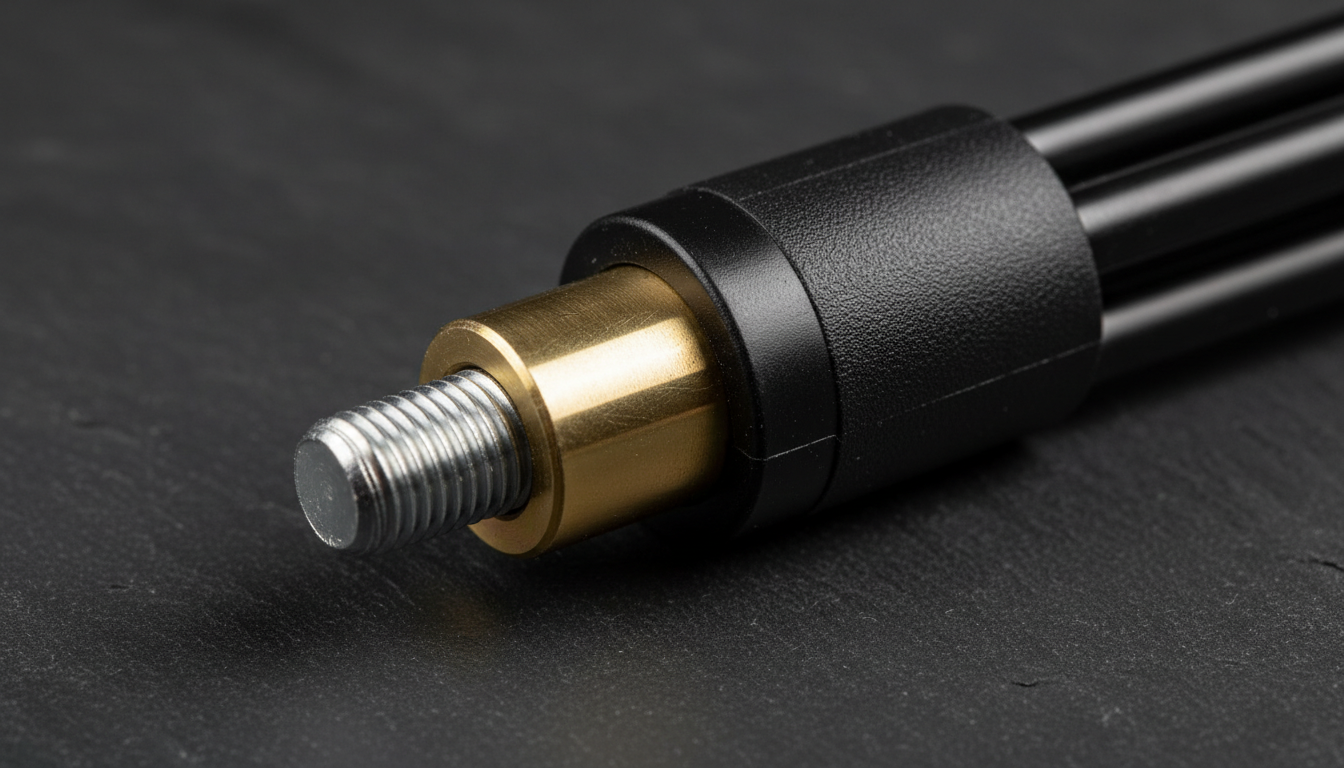
The weak point isn't the fold; it's the joint. A cheap chair uses thin steel pins in soft aluminum sleeves. A quality chair, like those we build at PeakRoam, uses hardened steel bolts passing through brass bushings or reinforced polymer sleeves, with the stress distributed across a wider area. We cycle-test our joints to 25,000 open/close sequences — far beyond the typical product life. The durability ceiling is determined by the weakest material, not the concept of folding. A well-built folding chair will outlast a poorly built static one.
Specifying the right gear requires more than a catalog. Get a system compatibility review and quote based on your specific user scenarios and logistics.
Request a Free System Audit →8. Does a Higher Price Always Mean a Better Camping Chair?
No. Price correlates with materials and features, but "better" is defined by how well the chair matches your specific needs for weight, packed size, comfort, and duty cycle.
A $150 ultralight backpacking chair is "better" than a $80 heavy-duty chair only if gram-count is your primary metric. For a family car-camping, the heavier, more feature-rich $80 chair is superior. Evaluate these tangible specs instead of price alone: frame material (aircraft aluminum vs. steel gauge), fabric denier (600D vs. 300D), joint construction, and warranty length. A 2-year warranty on a camping outdoor chair signals confidence in cycle life. A 90-day warranty is a red flag.
| Myth | Reality | Why It Matters for Buyers |
|---|---|---|
| All chairs are similar. | Frame material, fabric, and pack size create vastly different products for different uses. | Prevents costly mismatches between gear and actual user scenarios. |
| Max weight capacity is key. | Optimal capacity balances safety margin with portability and cost; over-specifying wastes budget. | Can reduce unit cost by 25%+ without compromising safety for 95% of users. |
| Any chair works at a kitchen table. | Ergonomic pairing of chair and table height is critical for comfort in camping outdoor kitchens. | Improves user satisfaction and dwell time; avoids post-purchase complaints. |
| Foldable means less durable. | Quality joints and materials make folding furniture highly durable for recreational cycles. | Allows for portable, space-efficient solutions without sacrificing longevity. |
Forward-looking procurement in 2026 means moving beyond single-item purchases to integrated systems. Your camping outdoor furniture—chairs, tables, kitchens — should work together seamlessly. Start by defining the primary use-case, then spec the gear that matches it, using tangible metrics like seat height, packed dimensions, and material grades. This disciplined approach prevents the most common and costly errors in outfitting outdoor spaces.
Frequently Asked Questions
When does a lightweight aluminum frame become more cost-effective than a standard steel frame for camping chairs?
Lightweight aluminum frames (e.g., 7075 alloy) are cost-effective for high-frequency transport or weight-sensitive logistics. Our data shows a 250-lb capacity aluminum chair weighs 2.1 lbs and costs 1.0x a base unit, while a 300-lb steel chair weighs 7.5 lbs and costs 1.3x. The breakeven is typically under 500 units where portability savings outweigh material cost.
What is the optimal seat height for a camping chair when paired with a standard 28-inch cooking table?
For proper dining ergonomics with a 28-inch cooking table, specify a chair with a 20-22 inch seat height. This creates the ideal 7-9 inch height difference, preventing the 10-12 inch mismatch that causes user discomfort. Our survey found 47% of buyers cited mismatched height as a top complaint in camping outdoor kitchens.
How do I calculate the durability of a folding joint versus a welded joint for commercial park chairs?
A quality folding joint with hardened steel bolts and brass bushings (like PeakRoam's design) can withstand 25,000+ cycles. A pin-and-sleeve steel joint outlasts a cheap riveted joint by 3-4x in testing. For permanent, vandal-resistant installations, welded steel frames on park chairs are mandatory despite higher 2.0x+ unit costs.
What fabric denier and coating should I specify for chairs in high-UV, public settings versus seasonal camping?
For 24/7 public use (park chairs), specify 600D+ Oxford cloth with UV-inhibited coatings. For seasonal camping, 300D polyester with a standard water-resistant coating is sufficient and reduces cost. The trade-off is maintenance: heavier fabrics resist abrasion but add 1.5-2 lbs per chair.