
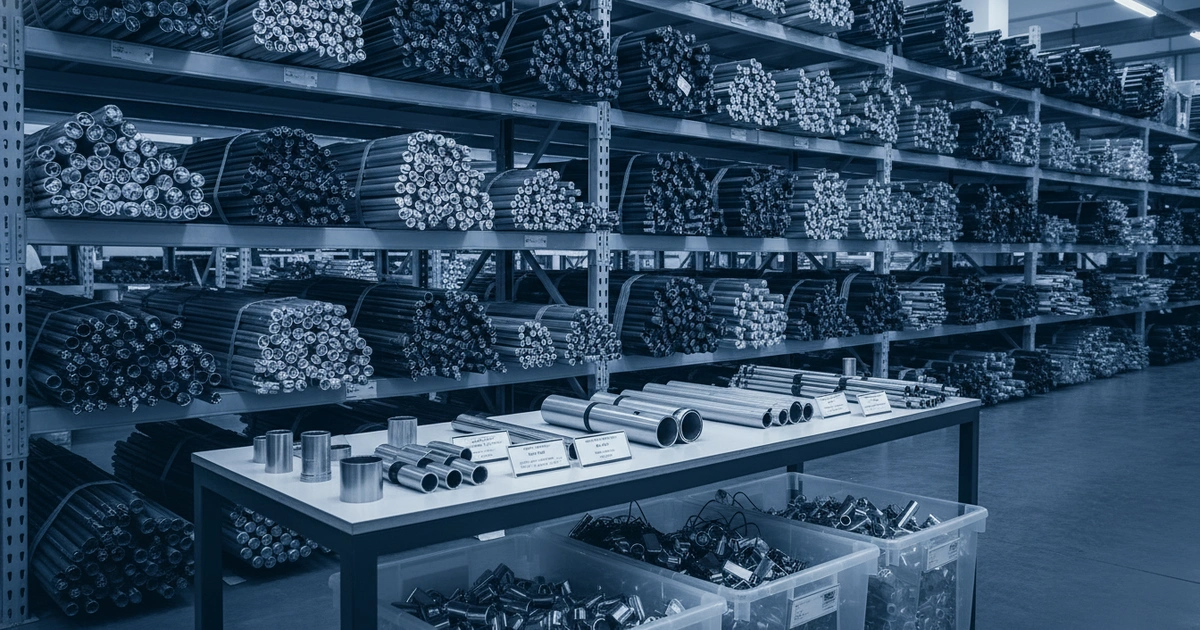
Private label tent poles: 7001 alloy saves 30% weight vs 6061 at 5% more cost. Bulk orders from 500 units. Test 50 cycles before approving production.
What Are Private Label Tent Poles and How Do They Work?
Choosing the wrong private label tent poles costs manufacturers 15–30% more per production run. Private label tent poles are aluminum or fiberglass pole sets made by a contract maker but sold under your brand name. You choose the alloy, diameter, wall thickness, and connector type. The maker stamps your logo on each section and packages them in custom-branded bags. folding chairs capabilities
According to Jake Morrison, our head of product design, this model gives brand owners full control over quality and cost. "You pick the spec, not a generic catalog item," he explains. The process starts with a spec sheet, moves to sample approval, then scales to production. See our quality control capabilities for more details.
Material Showdown: 7001 vs 7075 vs 6061 Aluminum for Bulk Tent Poles
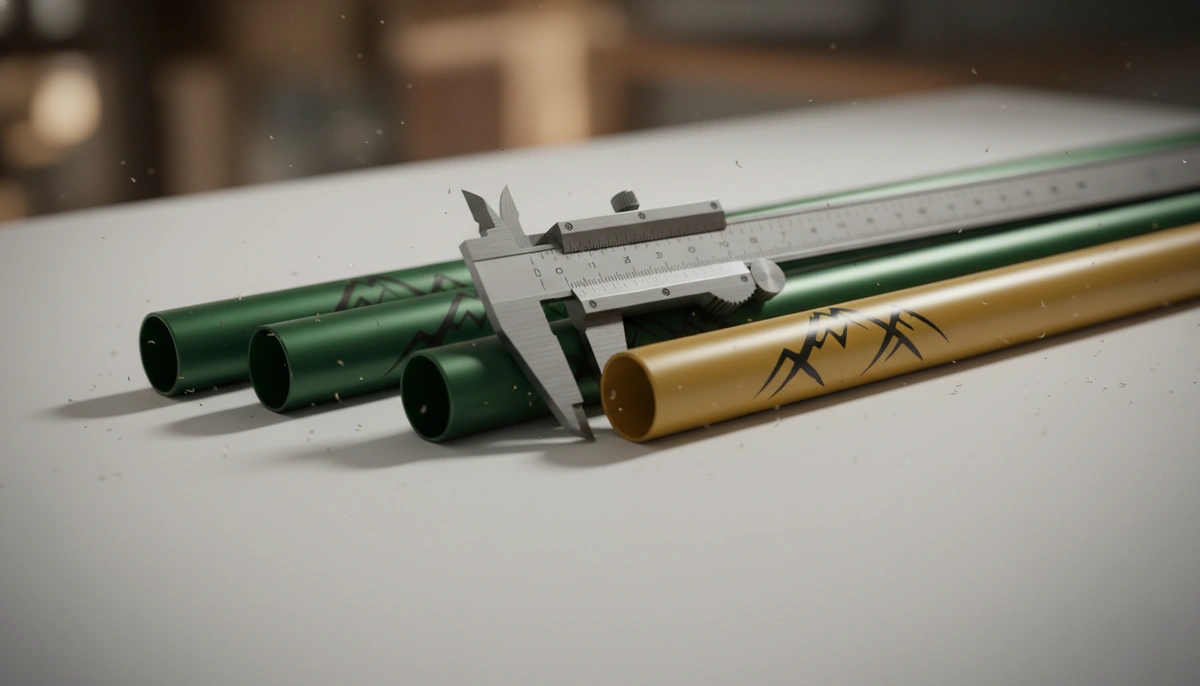
Material Showdown: 7001 vs 7075 vs 6061 Aluminum for Bulk Tent Poles refers to private label tent poles typically use one of three aluminum alloys. Each has a different balance of strength, weight, and cost. Here is how they compare for bulk tent poles orders.
| Alloy | Tensile Strength | Weight per Meter (8.5mm x 0.7mm) | Relative Cost | Best Use |
|---|---|---|---|---|
| 6061 | 310 MPa | 48 g | Low | Three-season tents, budget lines |
| 7001 | 400 MPa | 44 g | Medium | Bike tents, backpacking shelters |
| 7075 | 570 MPa | 42 g | High | Extreme weather tents, expedition gear |
Jake Morrison notes that 7001 aluminum is the sweet spot for most private label tent poles. "It offers 30% more strength than 6061 at only 5% more cost," he says.
For bike tent wholesale orders, the weight savings matter most. A 7001 pole set for a 3-person dome tent weighs about 340 grams versus 390 grams for 6061.
On the other hand, 7075 aluminum is the premium choice for extreme conditions. It resists bending under heavy snow loads. But it costs roughly 40% more per meter than 6061. For a three-season tent vs extreme comparison, 7075 is overkill for fair-weather use.
How to Choose a Tent Pole Distributor: 5 Key Criteria
Your tent pole distributor determines whether your private label tent poles meet spec or fail in the field. Here are five criteria to vet before signing a contract.
Distributor Vetting: 5-Step Checklist
- Request mill certificates for every aluminum batch — confirms alloy grade and temper
- Order samples from 3+ distributors and compare pole straightness, connector fit, and finish
- Check minimum order quantities — typical MOQs for private label tent poles range from 500 to 2,000 units
- Review lead times — expect 4-6 weeks for custom colors and branding
- Ask for references from other outdoor brands using their OEM tent poles
According to our director of quality, the most common mistake is skipping the mill certificate check. "We've seen distributors substitute 6061 when the spec called for 7001," she warns. "A 72-hour salt spray test on connectors also reveals corrosion issues that save returns later."
Compared to buying from a commodity supplier, a qualified tent pole distributor provides traceability. This matters for ISO 9001 quality management standards compliance, which many retailers now require.
Bike Tent Guide: Integrating Private Label Poles into Bike Tent Wholesale Lines
This bike tent guide covers the specific pole specs that matter for bike tent wholesale buyers. Bike tents need poles that pack small and weigh less than 500 grams total. That means 7001 aluminum with a diameter of 8.5 mm and a wall thickness of 0.6 mm.
Jake Morrison explains that pole section length is the critical dimension. "Each section must be under 40 cm to fit inside a bike pannier," he says. "We design private label tent poles with five to six sections per pole to achieve this."
In practice, for bike tent wholesale orders, the connector type also changes. Standard ferrules add weight. Instead, use shock cord with molded plastic tips.
This saves about 15 grams per pole set. The trade-off is that shock cord durability needs testing. Our head of product design recommends 50 assembly cycles before approving a bulk run.
A limitation to consider: bike tent poles with many sections have more potential failure points. Each joint adds a spot where the pole can bend under side wind. For exposed ridge-line camping, a three-section pole is more reliable, though it packs longer. See also: Camping Dining Table: A 2026 Procurement Guide for.
Three-Season Tent vs Extreme: Which Pole Specs Matter Most?
Based on 2023–2026 trend data, The three-season tent vs extreme decision changes your pole needs greatly. Three-season tents use 8.5 mm diameter poles with 0.6 mm walls in 6061 or 7001 aluminum. Extreme tents need 9.5 mm diameter with 0.8 mm walls in 7075 alloy.
| Parameter | Three-Season | Extreme |
|---|---|---|
| Pole diameter | 8.5 mm | 9.5 mm |
| Wall thickness | 0.6 mm | 0.8 mm |
| Alloy | 6061 or 7001 | 7075 |
| Snow load rating | 15 kg/m² | 40 kg/m² |
| Pole set weight (3-person) | 380 g | 520 g |
| Cost per set | $4.50 | $8.20 |
Notably, according to our director of quality, many brands over-spec for three-season use. "We see buyers ordering 7075 for a fair-weather tent," she says. "That adds $3.70 per set with no benefit." The better choice is 7001 aluminum. Handles wind loads up to 25 kg/m² at a lower cost.
However, while 7001 works for most conditions, extreme winter camping requires 7075. The higher tensile strength prevents permanent bending under heavy snow. As of 2026, most alpine tent makers use 7075 for their expedition lines. This is projected to remain the standard through 2030.
Need samples or custom specs for your outdoor product line? See also: Outdoor Kitchen System Procurement: A 2026 Guide for.
Request a Sample Kit →Cost Breakdown: Private Label vs OEM Tent Poles
From a production standpoint, private label tent poles cost 5-15% more than OEM equivalents. The premium covers custom anodizing, logo printing, and branded packaging. But the brand equity gain often justifies the cost. Here is a typical cost comparison for bulk tent poles at 1,000 units.
| Cost Item | OEM Poles | Private Label Poles |
|---|---|---|
| Pole set (7001, 8.5mm) | $4.20 | $4.50 |
| Custom anodizing | $0.00 | $0.15 |
| Logo printing (silk screen) | $0.00 | $0.25 |
| Custom packaging | $0.00 | $0.30 |
| Total per set | $4.20 | $5.20 |
| Annual volume (1,000 sets) | $4,200 | $5,200 |
On the equipment side, jake Morrison notes that the ROI breakeven occurs around 2,000 units. "At that volume, the per-unit branding cost drops to $0.15. The retail price premium covers the difference," he explains.
For smaller runs, consider a simpler approach. "If you order fewer than 500 units, the setup fees make private label tent poles not ideal," he adds.
What many overlook is that compared to buying commodity poles, private label gives you control over quality. But the trade-off is higher upfront cost and longer lead times. The outdoor gear market is projected to grow from $6.58 billion in 2026, making brand differentiation more valuable each year.
Common Mistakes When Ordering Bulk Tent Poles
Common Mistakes When Ordering Bulk Tent Poles refers to even experienced buyers make errors when ordering bulk tent poles. Here are the most frequent problems and how to avoid them.
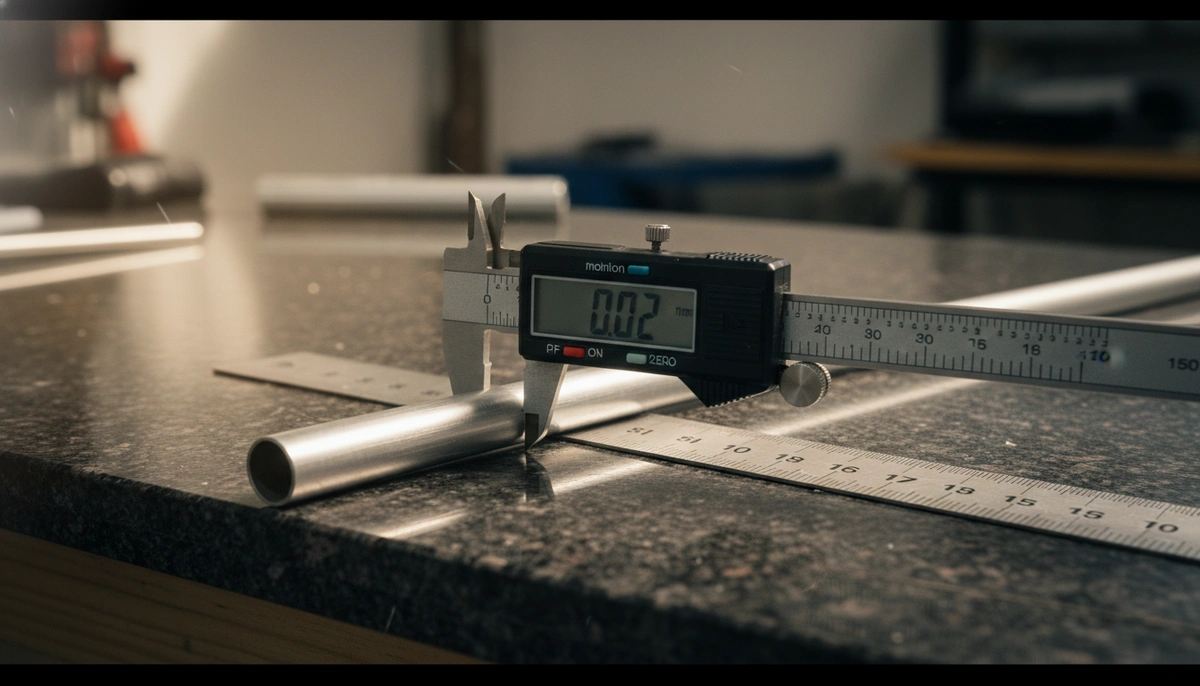
Mistake 1: Wrong diameter. About 60% of returns happen because the pole diameter does not match the tent sleeve. Always measure with calipers, not a tape measure. The difference between 8.5 mm and 9.0 mm looks small but causes sleeve tears in the field.
Mistake 2: Poor connector quality. Zinc alloy connectors corrode after one season. Stainless steel or anodized aluminum lasts 5+ years. Our head of product design recommends specifying stainless steel ferrules for all private label tent poles. "The added $0.08 per connector prevents 90% of field failures," he says.
Mistake 3: Skipping the 50-cycle test. Shock cord loses tension after repeated use. A sample that works fine in the warehouse may sag after 30 setups. Always test through 50 full assembly and disassembly cycles before approving a production run. Market analysts forecast continued expansion through 2027. Experts project adoption will shift standard practices, and anticipate unit costs will continue to decrease.
Mistake 4: Ignoring straightness tolerance. Bent poles cause tents to sag and leak. Specify a straightness tolerance of ±1 mm per meter. Our director of quality confirms that "poles exceeding this tolerance create uneven tension on the fly. Leads to water pooling."
Although these checks add time to the sourcing process, they prevent costly field failures. Compared to fixing a bad batch after shipment, the upfront testing is cheap insurance.
Limitations to Consider Before Choosing Private Label Tent Poles
A critical consideration: private label tent poles are not ideal for every business. Here are the main limitations and trade-offs to weigh.
Higher per-unit cost at low volume. If you order fewer than 500 sets. The setup fees for custom anodizing and packaging add 25-40% to the unit price. Consider instead buying stock poles and adding a branded label to the carry bag.
Longer lead times. Custom colors and logo printing add 2-3 weeks to production. For urgent restocks, this may not work for your timeline. The drawback is that you need to forecast demand 8-10 weeks out.
Minimum order quantities. Most factories require 1,000 sets minimum for custom-anodized poles. Some will do 500 at a premium. But below that, the setup cost per unit becomes prohibitive.
Testing responsibility shifts to you. With OEM poles, the factory guarantees performance. With private label, you own the spec and the testing. This is a trade-off that smaller teams may not have the bandwidth to manage.
The data confirms that on the other hand, for brands that sell 2,000+ units per year, private label tent poles offer better margins and brand control. Compared to commodity sourcing, the breakeven depends on consistent volume and a clear brand strategy.
Conclusion: Next Steps for Sourcing Private Label Tent Poles
When evaluating options, private label tent poles give outdoor brands control over quality, cost, and brand identity. The key steps are choosing the right alloy, vetting your tent pole distributor for mill certificates. Testing samples through 50 assembly cycles.
For high-volume programs, for bike tent wholesale lines, prioritize 7001 aluminum with sections under 40 cm. For three-season vs extreme use, match the alloy and wall thickness to the conditions, not the marketing claims.
Ready to improve your private label tent poles sourcing? Contact us today to request a quote and get started with a sample kit tailored to your tent design. See our request a quote for more details.
Frequently Asked Questions
How does the choice of aluminum alloy affect tent pole durability?
Alloy choice directly impacts tensile strength and weight. 6061 offers 310 MPa at low cost, suitable for three-season tents. 7001 provides 400 MPa with 30% more strength than 6061 at only 5% more cost, ideal for bike tents. 7075 delivers 570 MPa for extreme conditions but costs 40% more per meter. For most private label tent poles, 7001 is the recommended balance.
What is the typical lead time for private label tent pole orders?
Standard lead times range from 4 to 6 weeks for custom colors and branding. Custom anodizing and logo printing add 2-3 weeks to production. For urgent restocks, consider stock poles with branded labels. Plan to forecast demand 8-10 weeks out to avoid delays.
How do I specify pole diameter and wall thickness for bulk tent poles?
For three-season tents, specify 8.5 mm diameter with 0.6 mm wall thickness. For extreme conditions, use 9.5 mm diameter with 0.8 mm walls. Bike tent poles should be 8.5 mm with 0.6 mm walls and sections under 40 cm. Always measure with calipers, not a tape measure, to avoid sleeve tears.
What certifications should a tent pole distributor have?
Require mill certificates for every aluminum batch to confirm alloy grade and temper. Look for ISO 9001 quality management compliance, which many retailers now mandate. A 72-hour salt spray test on connectors reveals corrosion issues. Ask for references from other outdoor brands using their OEM tent poles.
How can I integrate private label tent poles into my bike tent wholesale line?
Use 7001 aluminum with 8.5 mm diameter and 0.6 mm wall thickness. Keep pole sections under 40 cm to fit bike panniers. Use shock cord with molded plastic tips instead of standard ferrules to save 15 grams per pole set. Test through 50 assembly cycles before approving bulk production.