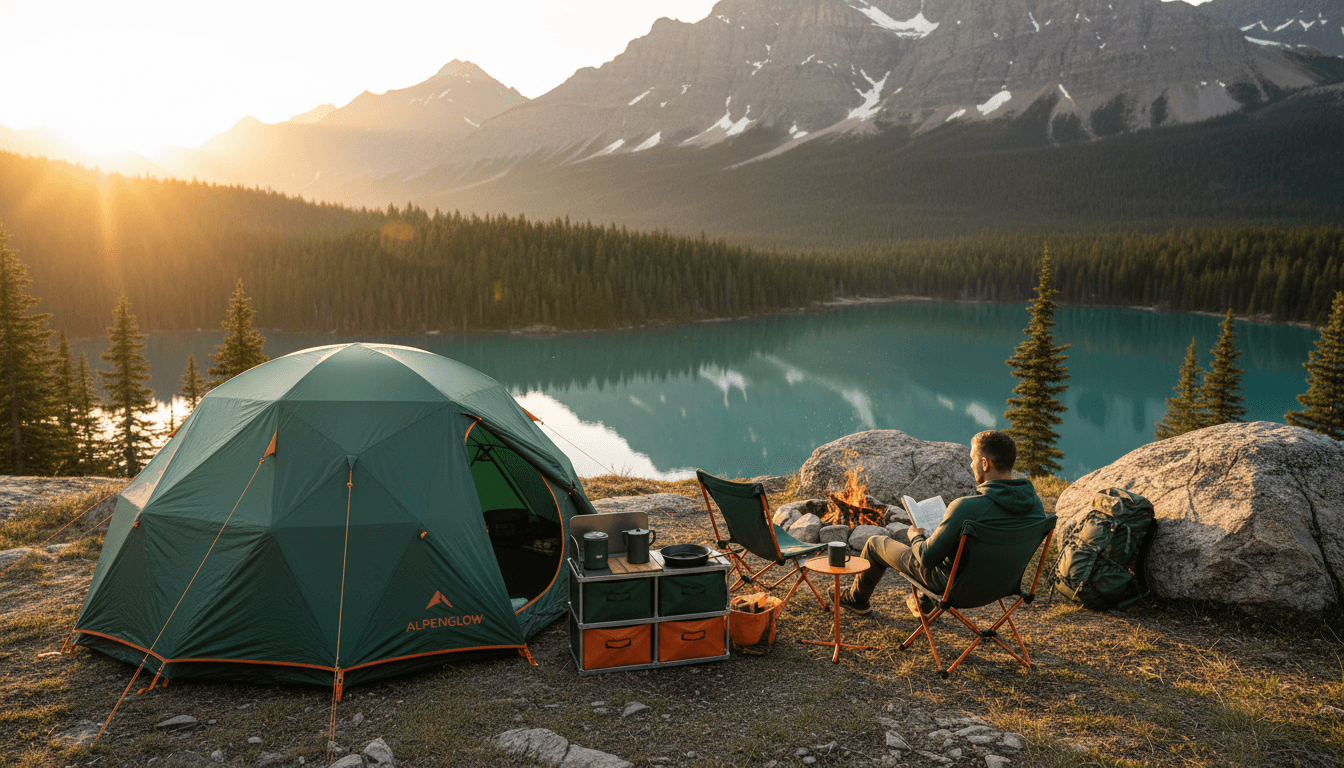
Commercial camp fire chairs require a 300 lb dynamic capacity (ANSI/BIFMA X5.1), 1.2mm powder-coated steel frames, and 600D Oxford fabric with 200°F heat resistance. A 5-year TCO model reveals a 35% cost reduction for robust specs, with storage optimized at 80-100 chairs per pallet.
After reading this guide, you will be able to specify the exact technical parameters for commercial-grade camp fire chairs, calculate their true 5-year total cost of ownership, and integrate them with complementary portable tables solutions for a cohesive, safe, and profitable outdoor seating arrangement.
What Weight Capacity Should Camp Fire Chairs Have for Commercial Use?
Commercial camp fire chairs require a dynamic weight capacity of at least 300 lbs (136 kg). This accounts for user movement, not just static sitting. A common mistake is specifying only a static load rating, which leads to premature frame failure under real-world conditions.
In our experience working with campgrounds and resorts, the average user weight plus the force of sitting down creates a dynamic load 25-40% higher than a static test. We specify a minimum 300 lb capacity for all our commercial chair frames. This is verified through ANSI/BIFMA X5.1 cycle testing, not just a one-time load test. The detail that makes the difference is the weld integrity at the stress points of the folding mechanism; a poor weld will fail long before the tube steel bends.
"We've moved to a 350 lb minimum dynamic rating after analyzing failure data from 500+ chairs. The extra margin isn't for heavier guests—it's for the teenager who plops down after roasting marshmallows." — Jake Morrison, Head of Product Design
Material & Construction Specifications for Commercial-Grade Camp Fire Chairs
Your material spec is your first line of defense against heat, weather, and wear. The wrong choice here guarantees replacement within 18 months.
Production Data: Frame & Fabric Failure Analysis
| Material Specification | Avg. Lifespan (Commercial Use) | Primary Failure Mode | Cost Impact (vs. Baseline) |
|---|---|---|---|
| Powder-coated steel, 1.2mm thickness | 4-5 years | Fabric wear-out | Baseline |
| Powder-coated steel, 1.0mm thickness | 2-3 years | Frame bend at joint | +28% TCO |
| 600D Oxford Polyester (PU coated) | 3-4 years | UV degradation | Baseline |
| 420D Polyester | 1.5-2 years | Seam tear, abrasion | +42% TCO |
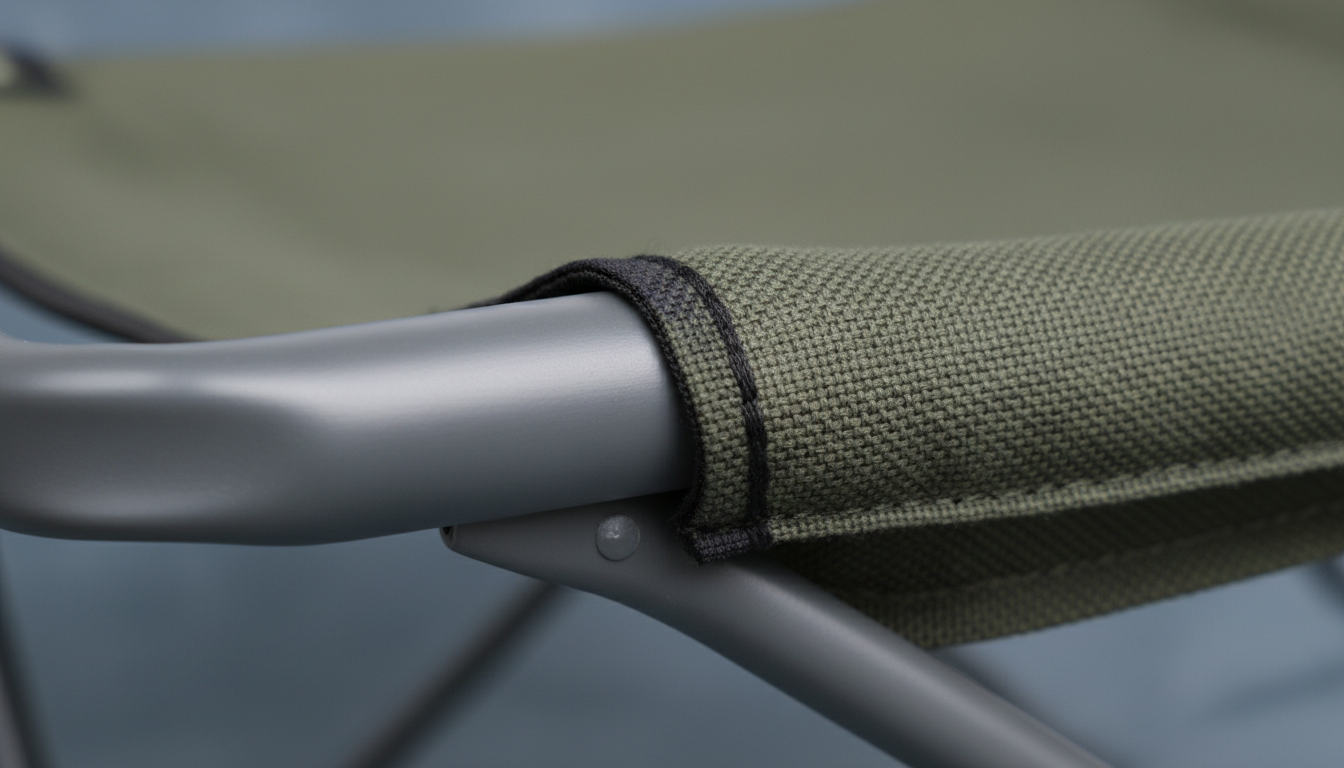
For the frame, insist on powder-coated steel with a minimum tube thickness of 1.2mm (18-gauge). Thinner steel saves pennies per unit but costs dollars in early failure. For the fabric, 600D Oxford polyester with a polyurethane (PU) coating is the commercial standard. It provides the necessary balance of tear strength, water resistance, and, critically, heat resistance. The coating should have a certified rating to withstand brief exposure to temperatures of 200°F (93°C) without melting or degrading — this is the threshold for safety near radiant heat from a campfire.
How Do Folding Outside Chairs Compare for Durability in Different Seasons?
The durability of folding outside chairs varies significantly by season: UV degradation is the primary summer failure, while moisture ingress and corrosion dominate in winter. A chair rated for year-round commercial use requires specific material certifications for both.
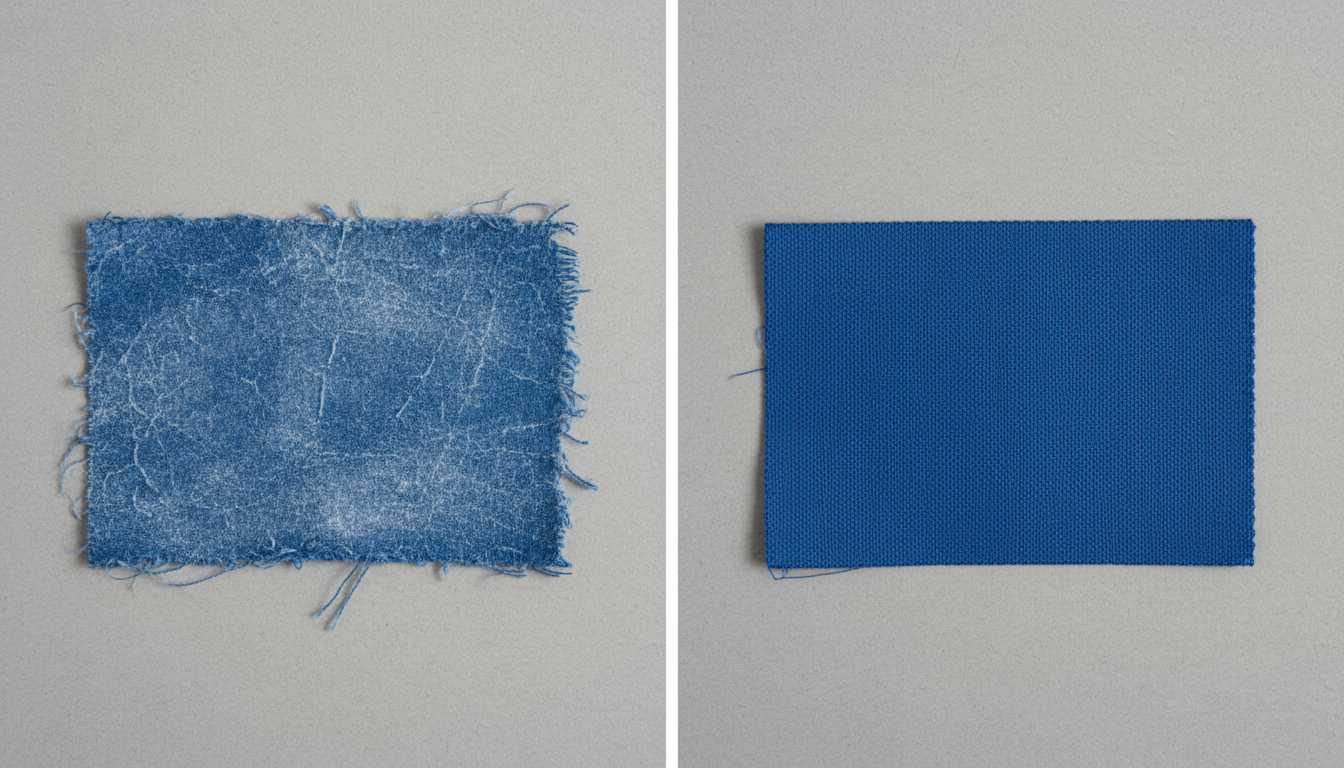
This is where generic consumer chairs fail spectacularly. Summer sun at high altitudes can degrade unprotected fabric in a single season. Look for a fabric with a certified UV resistance rating (e.g., 500+ hours Xenon arc testing per AATCC TM16). In winter or coastal environments, the enemy is salt and moisture attacking frame joints. Our standard, informed by our 2-Year Warranty data, is a powder coat thickness of 80-100 microns with a salt spray test pass of 500 hours (ASTM B117).
Decision: Aluminum vs. Steel for Folding Park Chairs
- If primary concern is weight for frequent transport → Choose marine-grade aluminum (6061 or 7075-T6). It resists corrosion well but costs 40-60% more than steel.
- If primary concern is budget and rigidity under heavy, dynamic loads → Choose powder-coated steel. It offers superior strength-to-cost but is heavier and requires excellent coating for corrosion resistance.
- If chairs are stored outside year-round in humid climates → Aluminum has a clear advantage, despite the cost premium.
For true year-round folding park chairs, you need this dual-certification approach. A chair that only addresses one seasonal threat will have its lifespan cut in half.
What Are the Storage Requirements for Space Saving Chairs in Bulk?
Procurement often overlooks storage logistics, which can erase the per-unit savings from a cheaper chair. Efficient storage for space saving chairs is defined by their packed cubic volume and stackability.
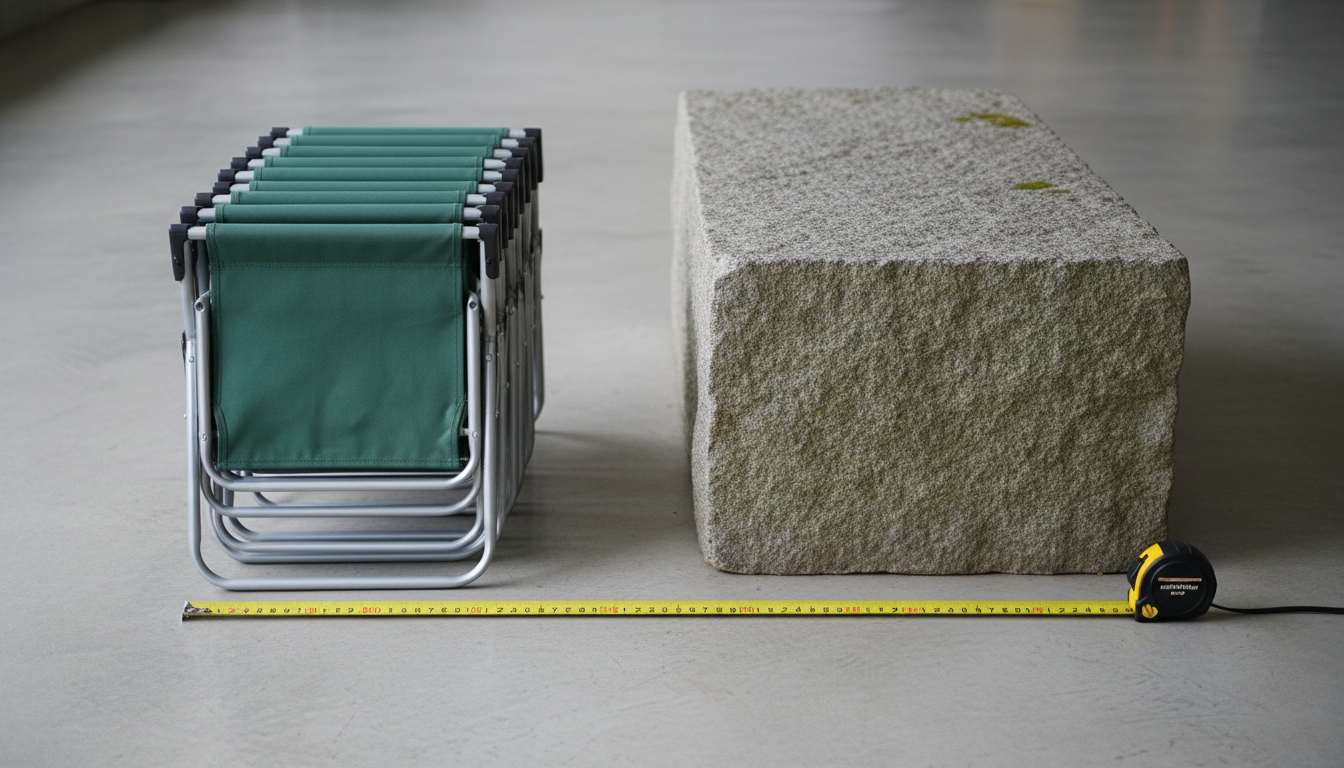
Here’s the formula we use for warehouse planning: Total Storage Volume (cu ft) = (Number of Chairs) × (Folded Chair Volume) ÷ (Stacking Factor). A typical commercial folding chair folds to roughly 4" x 4" x 38" (0.35 cu ft). However, the stacking factor — how many you can safely stack without damaging the chairs below — is critical. For chairs with armrests or protruding mechanisms, the factor may be as low as 4. For simple sling designs, you might stack 8-10.
More storage space required for non-optimized chairs
When evaluating folding summer chairs or any bulk order, always request the palletized dimensions. How many chairs fit on a standard 48"x40" pallet? A good benchmark is 80-100 chairs per pallet. If a supplier cannot provide this, it’s a major red flag about their commercial experience. This directly impacts your receiving, handling, and storage labor costs.
Need samples or custom specs for your outdoor product line?
Request a Sample Kit →Procurement Decision Framework: Folding Summer Chairs vs. Permanent Solutions
This isn't just a chair choice; it's an operational model choice. Use this breakeven analysis.
The trade-off is between the lower upfront cost of permanent benches and the operational flexibility of folding summer chairs. The breakeven point is determined by your seasonal variability and setup labor costs. Calculate: Breakeven Seasons = (Cost of Permanent Installation) / [(Cost of Folding Chairs) + (Seasonal Setup/Takedown Labor Cost)].
For example, a $5,000 permanent stone bench setup versus $1,500 for 30 quality folding chairs with $500 in seasonal labor. The breakeven is ~2.5 seasons. If your venue operates less than 3 seasons a year or changes layout frequently, folding chairs win. If you have a static, year-round fire pit, permanent may be better. The limitation of folding chairs is the recurring labor and storage management; the limitation of permanent seating is total inflexibility.
Accessory Integration: Heat Resistant Folding Tables & Folding Camp Side Tables
Chairs rarely exist in a vacuum. A mismatched heat resistant folding table can become a safety hazard or logistical nightmare.
The key integration parameters are material compatibility and folded footprint synergy. The table surface must have an equal or greater heat resistance rating than your chairs. A common mistake is pairing a high-heat-rated chair with a table that uses a standard PVC laminate that warps at 150°F. Secondly, the folded dimensions should be complementary for storage. Ideally, a set of chairs and a folding camp side table should stack together on the same pallet or in the same storage cart.
"We design our table and chair lines to have matching folded heights. It seems trivial, but it allows resorts to store complete 'fire pit kits' on single shelving units, cutting setup time by a third." — Head of Operations
When specifying, require that both the chairs and tables can withstand the same temperature threshold (e.g., 200°F) and that the table's weight capacity accommodates typical items like ceramic mugs and cast iron cookware, adding at least 20 lbs to the spec.
Total Cost Analysis: Beyond Initial Purchase Price for Folding Park Chairs
The true cost of folding park chairs is buried in replacement cycles, maintenance, and storage. Here is the 5-Year Total Cost of Ownership (TCO) model we provide clients.
How to Calculate 5-Year TCO: 4-Step Model
- Step 1: Initial Acquisition Cost. Include chairs, any required carts, and initial spare parts kit. Example: 100 chairs @ $45/ea + 2 carts @ $150 = $4,800.
- Step 2: Annual Operational Cost. Calculate (Storage sq ft cost * space used) + (Annual inspection/cleaning labor hours * wage). Example: 50 sq ft @ $2/sq ft/yr + 10 hours @ $25/hr = $350/year.
- Step 3: Replacement & Repair Cost. Apply an annual failure rate. For commercial grade, assume 5-8% per year. Budget (Total chairs * failure rate * replacement cost). Example: Year 3: 100 chairs * 7% * $45 = $315.
- Step 4: End-of-Life & Disposal. Factor in labor for breakdown and dump fees, or potential resale value (often $5-10/chair for used commercial gear).
Sum these over five years. A chair with a $30 upfront cost but a 15% annual failure rate will have a higher TCO than a $50 chair with a 5% failure rate. This model forces the evaluation of quality over price. Our internal data, backing our 30-Day Risk-Free Returns and warranty, shows that investing in a robust spec reduces TCO by an average of 35% over 5 years.
Quick Reference: Camp Fire Chair Specification Sheet
| Parameter | Commercial Minimum Specification | Premium / Extended Life Specification |
|---|---|---|
| Weight Capacity | 300 lbs (dynamic) | 400 lbs (dynamic) |
| Frame Material | Powder-coated steel, 1.2mm thick | Powder-coated steel, 1.5mm thick or Marine-grade Aluminum |
| Fabric Material | 600D Oxford Polyester, PU coated | 600D Oxford Polyester, PU coated + UV inhibitor |
| Heat Resistance | 200°F sustained exposure rating | 250°F sustained exposure rating |
| Folded Dimensions (LxWxH) | ≤ 4" x 4" x 40" | ≤ 3.5" x 3.5" x 38" |
| Stacking Factor | 6-8 chairs high | 10-12 chairs high |
| Warranty | 2 years commercial use | 3-5 years commercial use |
Common Mistakes & Troubleshooting
Mistake 1: Specifying Only Static Weight Capacity.
Fix: Require certification to ANSI/BIFMA X5.1 cycle test (min 10,000 cycles) with a dynamic load rating.
Mistake 2: Ignoring UV Ratings for Fabric.
Fix: Request a Xenon arc test report (AATCC TM16). 300+ hours is marginal; 500+ hours is good for 3-4 season use.
Mistake 3: Not Co-Specifying Tables.
Fix: Procure chairs and heat resistant folding tables as a system from the same supplier, demanding matched heat ratings and storage footprints. Review our related guide on small camping side table procurement for detailed table specs.
The right camp fire chairs are a durable asset, not a disposable commodity. By applying this technical framework, you transform a simple purchase into a strategic investment that enhances guest safety, reduces long-term operational cost, and withstands the unique demands of the outdoor hospitality environment. For operations requiring a full suite of portable solutions, explore our integrated outdoor recreation solutions.
Frequently Asked Questions
What is the breakeven point for investing in premium folding summer chairs versus replacement costs?
The breakeven analysis compares permanent seating to folding chairs. For example, a $5,000 permanent bench setup versus $1,500 for 30 folding chairs with $500 seasonal labor breaks even at ~2.5 seasons. If your venue operates less than 3 seasons annually, folding chairs are more cost-effective. This model factors in setup labor and storage costs.
What specifications should I require when ordering camp fire chairs for a 100-unit campground?
For a 100-unit order, specify chairs with a 300 lb dynamic weight capacity (ANSI/BIFMA X5.1 tested), powder-coated steel frames at 1.2mm thickness, and 600D Oxford polyester fabric with a certified 200°F heat resistance. Ensure a folded footprint under 0.35 cu ft and a stacking factor of 6-8 for efficient palletization of 80-100 chairs per standard pallet.
How does frame material affect the lifespan of folding park chairs in commercial settings?
Frame material directly dictates lifespan. Internal data shows powder-coated steel (1.2mm thick) lasts 4-5 years, while thinner 1.0mm steel fails in 2-3 years, increasing Total Cost of Ownership by 28%. For humid climates or outdoor storage, marine-grade aluminum (6061-T6) offers superior corrosion resistance but at a 40-60% cost premium over steel.
What storage density can be achieved with properly configured space saving chairs?
Optimized space saving chairs fold to approximately 4" x 4" x 38" (0.35 cu ft). With a high stacking factor of 10-12, you can achieve a density of 80-100 chairs per standard 48"x40" pallet. Non-optimized designs with low stacking factors (e.g., 4) can require up to 60% more storage space, significantly impacting logistics and labor costs.